
This is a research-based comparison using current manufacturer specifications and independent test results. We may earn a commission from qualifying purchases or partner links at no additional cost to you.
As an Amazon Associate I earn from qualifying purchases.
If you are comparing Michelin, Nokian, and Pirelli all-weather tires, the real question is not which brand has the strongest reputation. It is which tire best matches the conditions you drive in most: rain, dry pavement, snow, or a mix of all three.
For this comparison, the three models are the Michelin CrossClimate2, Nokian Tyres Remedy WRG5, and Pirelli Cinturato WeatherActive. All three are 3PMSF-rated all-weather tires designed for year-round use, but independent testing shows meaningful differences in how they behave.
For the broader five-tire ranking, see our Best All-Weather Tires for 2026.
Quick answer: choose the Pirelli Cinturato WeatherActive for the strongest overall balance, the Michelin CrossClimate2 if wet-road confidence matters most, and the Nokian Remedy WRG5 if snow capability, pothole protection, and warranty coverage matter more than class-leading wet braking.
QUICK PICKS: BEST ALL-WEATHER TIRE CHOICES
Three strong all-weather tire choices for different priorities: overall balance, wet-road performance, and snow-focused durability.
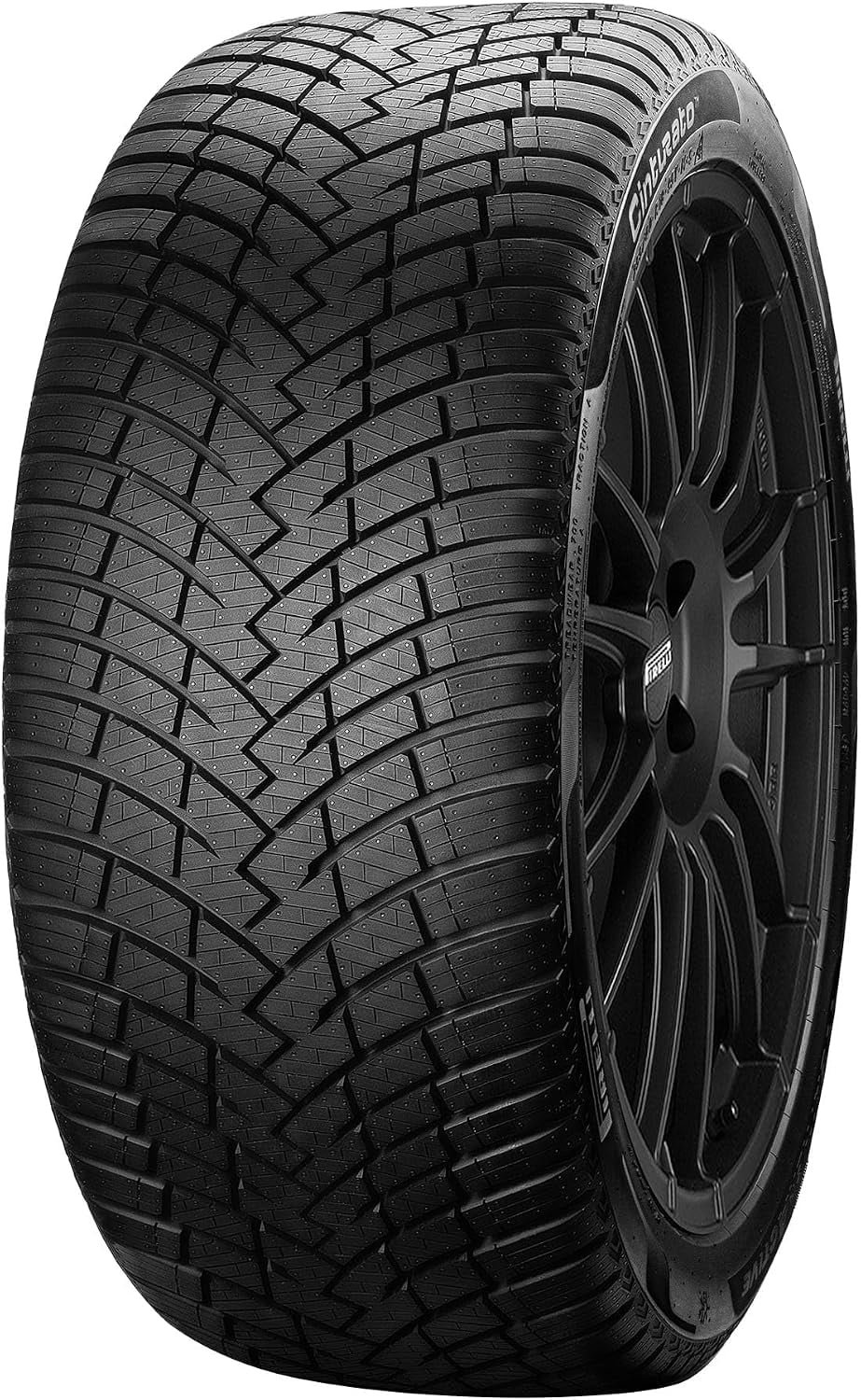
Pirelli Cinturato WeatherActive
View on Amazon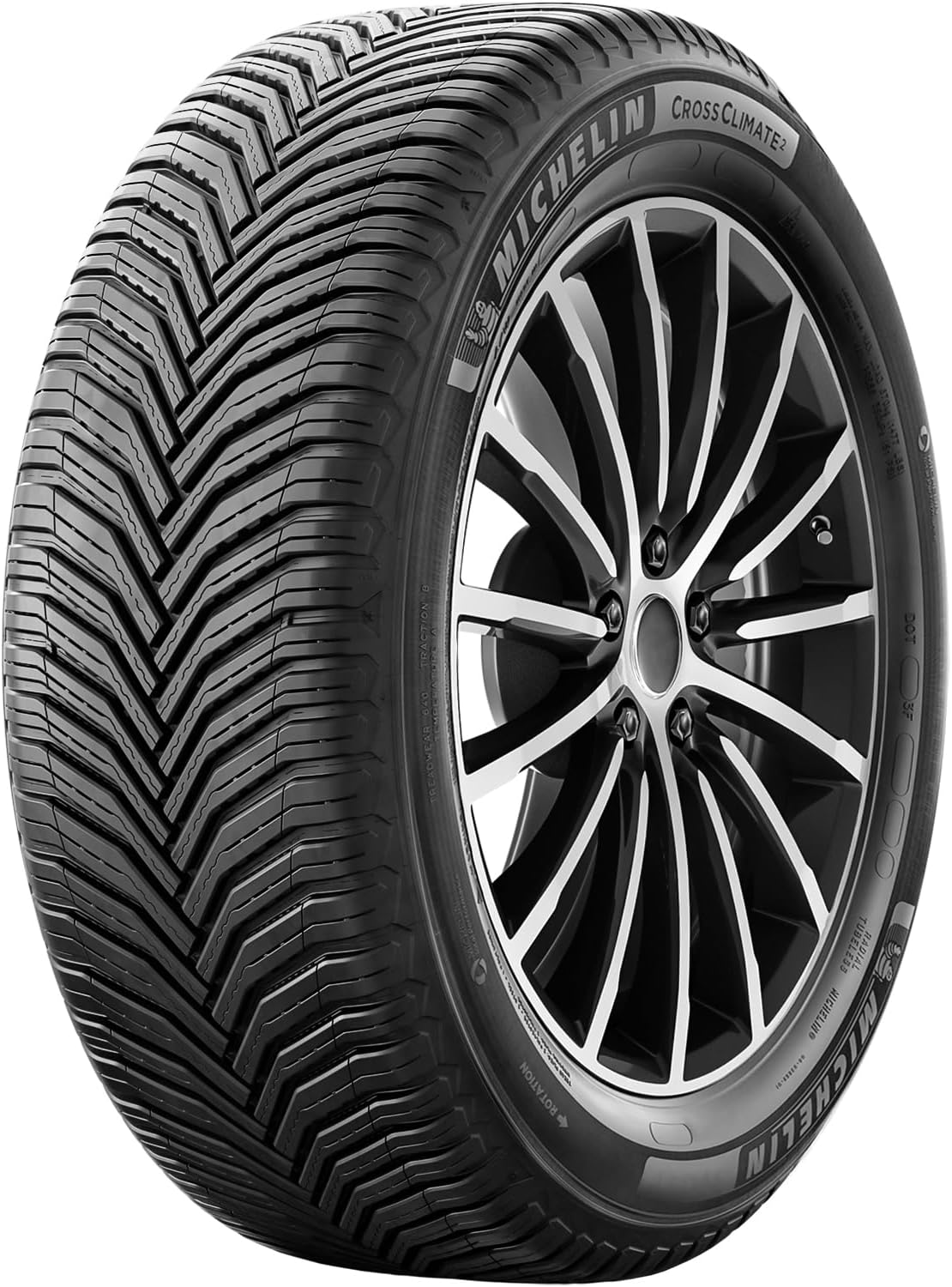
Michelin CrossClimate2
View on Amazon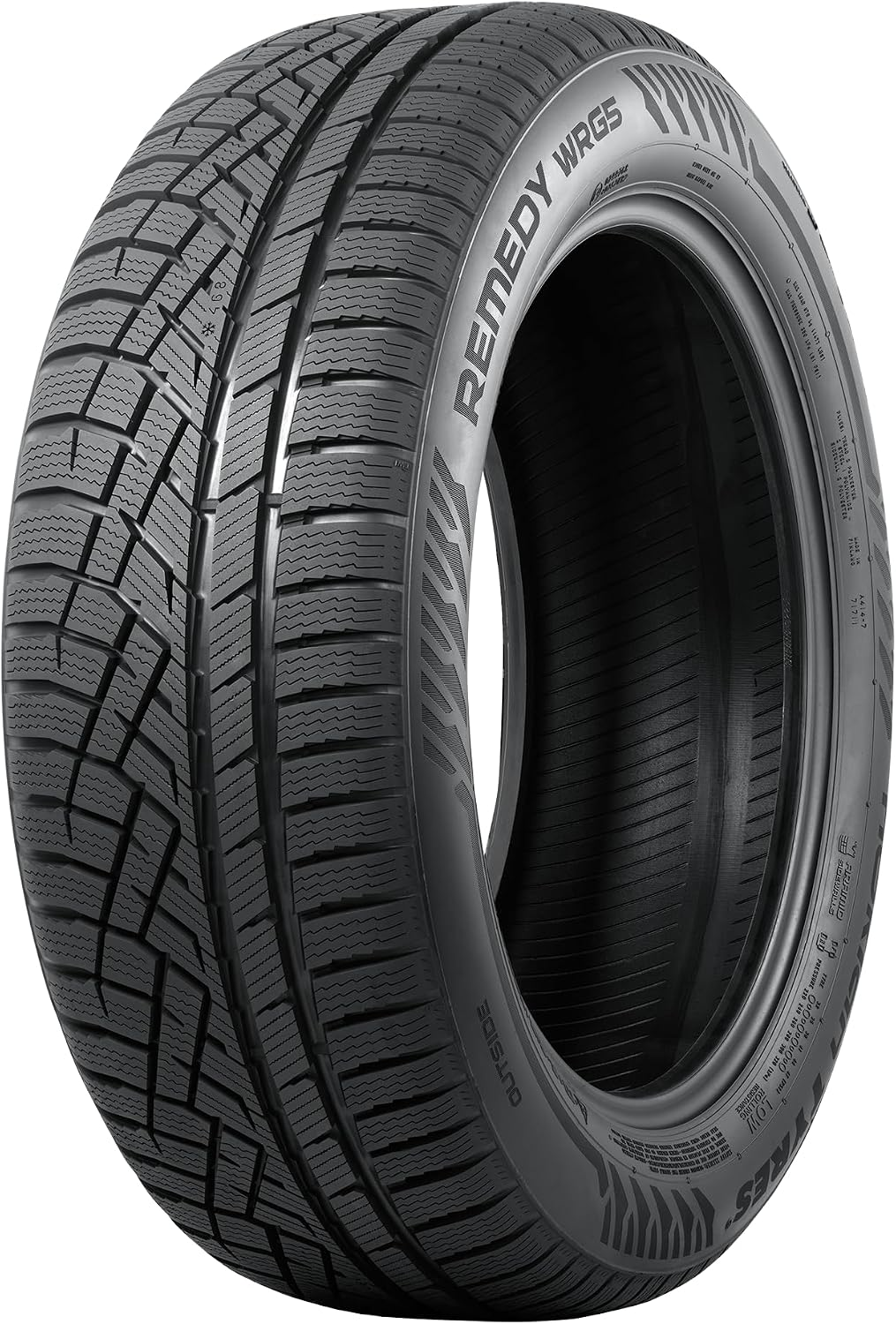
Nokian Remedy WRG5
View on AmazonMichelin vs Nokian vs Pirelli: Quick Comparison
Tire | Best For | 3PMSF | Treadwear Warranty | Independent-Test Strength | Main Tradeoff |
|---|---|---|---|---|---|
Pirelli Cinturato WeatherActive | Best overall balance | Yes | 6 years / 60,000 miles | Best dry performance; close second in wet testing | Snow results trail the strongest winter-focused options |
Michelin CrossClimate2 | Wet roads and balanced year-round grip | Yes | 6 years / 60,000 miles | Finished first in every objective wet test | Firmer ride and more road noise on smooth pavement |
Nokian Remedy WRG5 | Snow, durability, and warranty | Yes | 60,000 miles | Strong dry and snow performance | Wet braking was the weakest of the three in the test |
The Short Version: Which One Should You Buy?
Buy the Pirelli if you want one tire that feels the least compromised across normal dry, wet, and occasional-snow driving.
Buy the Michelin if rain, standing water, slush, and wet braking are your biggest concerns.
Buy the Nokian if winter capability, road-hazard durability, and warranty protection matter more than peak wet-road performance.
1. Pirelli Cinturato WeatherActive: Best Overall
The Pirelli Cinturato WeatherActive is the easiest recommendation for the largest number of drivers because it did not need one extreme strength to win the comparison. It was simply the most balanced tire.
In Car and Driver's 2026 all-weather test, the WeatherActive finished first overall. It delivered the strongest dry performance of the group, finished close behind Michelin in the wet, and remained competitive in snow. The test also praised its responsive steering and ability to absorb rough pavement without feeling harsh.
Pirelli rates the Cinturato WeatherActive for severe-snow service with the three-peak mountain snowflake symbol and backs it with a 60,000-mile treadwear warranty. The directional tread uses deep siping, water-evacuation grooves, and a compound designed to stay useful across a wide temperature range.
Who should choose the Pirelli?
Drivers who see mostly dry and wet roads with periodic winter weather.
Commuters who want responsive steering without giving up snow capability.
Drivers who want one year-round tire and do not want the tire to feel overly winter-biased.
Anyone who wants the strongest all-around result from this three-way comparison.
2. Michelin CrossClimate2: Best for Wet Roads
The CrossClimate2 remains one of the strongest all-weather tires even though it is not the newest design here. Its biggest advantage is wet-road performance.
In the same independent test, Michelin finished first in every objective wet category. That matters if your winter driving includes more cold rain, slush, standing water, and wet highways than deep snow. Wet braking is a real everyday safety issue, and the Michelin had a meaningful advantage over the Nokian in that area.
Michelin also gives the CrossClimate2 a 60,000-mile treadwear warranty and 3PMSF severe-snow certification. The tradeoff is ride character: Car and Driver found the tire firmer over larger impacts and louder on smooth pavement than some competitors.
Who should choose the Michelin?
Drivers in rainy or mixed winter climates.
People who prioritize wet braking and hydroplaning resistance.
Drivers who still want strong snow capability without moving to a dedicated winter tire.
Anyone willing to accept a slightly firmer ride for stronger wet-road confidence.
3. Nokian Remedy WRG5: Best for Warranty, Snow, and Road-Hazard Protection
The Nokian Remedy WRG5 is the most winter-focused-feeling choice of these three, and Nokian brings a long history of cold-weather tire development to the design.
Nokian rates the Remedy WRG5 for winter use with the 3PMSF symbol and backs it with a 60,000-mile treadwear warranty. The tire also uses Aramid-reinforced sidewalls and is covered by Nokian's Pothole Protection program, which is unusually useful if your roads are rough.
Independent testing showed the WRG5 was strong on dry pavement and in snow. Its weakness was wet braking. In Car and Driver's test, its 60-mph wet stopping distance was nearly 25 feet longer than the Michelin CrossClimate2. That difference is large enough that buyers in wet climates should take it seriously.
Who should choose the Nokian?
Drivers who see meaningful snow each winter.
People who drive on pothole-damaged or rough roads.
Buyers who value warranty coverage and durability.
Drivers in colder climates where wet braking is less dominant than snow and winter durability.
Wet Braking: Michelin Wins
If wet stopping distance is your number-one priority, the CrossClimate2 is the clear choice among these three.
The Michelin swept the independent wet testing, while the Pirelli stayed close enough to remain an excellent all-around option. The Nokian was the outlier: its wet braking result was materially longer, even though it performed well in other conditions.
For drivers in the Pacific Northwest, Southeast, Mid-Atlantic, or anywhere that sees frequent cold rain and standing water, this category deserves extra weight.
Snow Performance: Nokian and Michelin Are Strong, but the Answer Is More Complicated
All three tires carry the 3PMSF severe-snow symbol, so each is designed to deliver more winter capability than a typical all-season tire. But the symbol is a minimum performance standard, not proof that all three tires behave identically in snow.
The Nokian tested securely in snow and showed strong braking and lateral performance. Michelin also performed well in snow and was especially confidence-inspiring under braking. Pirelli remained capable, but its snow results were not the strongest part of its test.
If snow is your only priority, a dedicated winter tire is still the better answer. If you want one tire year-round, Nokian and Michelin deserve more weight in snow-heavy climates, while Pirelli remains the better overall compromise.
Dry Handling: Pirelli Wins
This is where the Pirelli separates itself. It was the strongest tire in dry testing and received praise for direct steering response and predictable handling.
The Michelin had plenty of grip but tended toward understeer on the dry autocross. The Nokian was also strong in dry conditions, but it did not match the Pirelli's overall combination of precision, ride quality, and balance.
If most of your miles are on dry pavement and winter weather is occasional rather than constant, the Pirelli makes the most sense.
Ride Comfort and Noise
None of these three is dramatically loud in objective highway testing. In Car and Driver's 70-mph cabin measurement, the Michelin registered 66 dBA while the Pirelli and Nokian each measured 67 dBA in the tested size.
Subjective ride quality matters too. The Michelin was criticized for a firmer reaction over larger impacts and more noise on smooth pavement. The Pirelli received stronger ride comments. Nokian landed in the middle of the group rather than standing out as especially quiet or harsh.
Warranty and Durability: Nokian Has the Most Interesting Package
All three tires carry 60,000-mile treadwear coverage, but the details are not identical.
Michelin and Pirelli pair their 60,000-mile warranties with a six-year limit. Car and Driver noted that the Nokian's 60,000-mile treadwear warranty has no age limit, and Nokian separately includes its Pothole Protection program on the Remedy WRG5.
That makes the Nokian especially attractive for drivers who keep vehicles a long time or regularly deal with broken pavement.
Value: Do Not Shop These Tires on Price Alone
Tire pricing changes constantly by size, vehicle, retailer, and promotion, so the cheapest tire today may not be the cheapest next month.
In Car and Driver's 225/45R18 comparison, the three were priced surprisingly close together, with Pirelli at the low end, Nokian in the middle, and Michelin slightly higher. The gap across a full set was small enough that performance should matter more than saving a few dollars per tire.
Start with your exact vehicle size, load index, and speed rating before comparing prices. A tire that looks cheaper in a different size is not a meaningful comparison.
Which Tire Is Best for Different Drivers?
Driver / Climate | Best Choice | Why |
|---|---|---|
Mixed climate, mostly dry and wet roads | Pirelli Cinturato WeatherActive | Best overall balance and strongest dry behavior |
Frequent rain, slush, and wet highways | Michelin CrossClimate2 | Best wet braking and wet handling |
Snowy winters and rough roads | Nokian Remedy WRG5 | Strong snow performance plus pothole protection |
Highway commuter | Pirelli or Michelin | Both offer strong year-round behavior; choose Pirelli for balance or Michelin for wet grip |
Driver who keeps tires for many years | Nokian Remedy WRG5 | Strong warranty package and durability focus |
One-set solution for most drivers | Pirelli Cinturato WeatherActive | Least-compromised overall result |
CrossClimate2 vs Remedy WRG5
For the deeper two-tire breakdown, see our Michelin CrossClimate2 vs Nokian Remedy WRG5 comparison.
Choose the Michelin if wet braking and rain performance are more important. Choose the Nokian if your priorities are snow, rough-road durability, and warranty protection.
The most important difference is the wet-road gap. If you routinely drive through heavy rain, the Michelin is the safer bet based on the independent test data. If your winter is colder and snowier, the Nokian becomes much more compelling.
CrossClimate2 vs WeatherActive
Want the deeper two-tire breakdown? See our Michelin CrossClimate2 vs Pirelli WeatherActive comparison.
This is the closest matchup. Michelin wins the wet category, while Pirelli wins the overall comparison because it gives up less in dry handling and ride behavior.
For most drivers, the choice comes down to climate. Choose Michelin for frequent rain and slush. Choose Pirelli if you want the strongest everyday balance and most responsive dry-road feel.
WeatherActive vs Remedy WRG5
For the deeper two-tire breakdown, see our Pirelli WeatherActive vs Nokian Remedy WRG5 comparison.
The Pirelli is the better all-around road tire. The Nokian makes more sense if you deliberately want to bias the decision toward snow, pothole resistance, and warranty coverage.
If your winter is moderate, choose Pirelli. If you spend a meaningful part of the year driving on snow-covered roads, Nokian deserves a closer look.
Do You Still Need Dedicated Winter Tires?
Possibly. All-weather tires reduce the compromise of running one set year-round, but they do not eliminate physics.
If you regularly drive mountain passes, icy roads, deep snow, or severe winter conditions, a true winter tire still offers more cold-weather capability. All-weather tires make the most sense for drivers who want stronger winter performance than an all-season tire without storing and swapping a second set.
FAQ
Is the Michelin CrossClimate2 better than the Nokian Remedy WRG5?
For wet-road performance, yes. The Michelin performed substantially better in wet braking during independent testing. The Nokian is more compelling for snow-focused use, durability, and pothole protection.
Is the Pirelli WeatherActive better than the Michelin CrossClimate2?
Overall, Pirelli won the independent comparison because it combined the best dry performance with strong wet and snow results. Michelin remains the better pick if wet braking is the top priority.
Which is best in snow: Michelin, Nokian, or Pirelli?
Nokian and Michelin both showed strong snow performance, while Pirelli's snow results were good but not class-leading. For maximum snow and ice performance, dedicated winter tires remain better than any all-weather option.
Do all three tires have the three-peak mountain snowflake symbol?
Yes. Michelin CrossClimate2, Nokian Remedy WRG5, and Pirelli Cinturato WeatherActive are all 3PMSF-rated for severe-snow service.
How long are these tires warranted?
All three offer 60,000-mile treadwear coverage. Michelin and Pirelli specify six-year limits, while the Nokian warranty package is especially notable for its treadwear coverage and separate Pothole Protection program.
Sources and Testing Basis
Manufacturer specifications: Michelin CrossClimate2, Nokian Tyres Remedy WRG5, and Pirelli Cinturato WeatherActive. Independent performance comparison: Car and Driver all-weather tire test.
Bottom Line
There is no universal winner for every climate, but there is a clear default choice. The Pirelli Cinturato WeatherActive is the best all-around tire of these three because it combines excellent dry behavior with strong wet and snow performance.
The Michelin CrossClimate2 is the better choice if wet braking matters most. The Nokian Remedy WRG5 is the better specialist for drivers who put more weight on snow, durability, pothole protection, and warranty coverage.
Pick based on the weather you actually drive in, not the most dramatic condition you might encounter once a year.
This is a research-based comparison using current manufacturer specifications and independent test results. We may earn a commission from qualifying purchases or partner links at no additional cost to you.


