
This guide may contain affiliate links. The All Guy may earn a commission at no extra cost. We did not conduct hands-on tire testing; the comparisons are based on cited independent tests and manufacturer information.
Choosing between all-weather and dedicated winter tires comes down to one question: how often do you drive on ice, packed snow, or untreated winter roads? A year-round all-weather tire can be practical for mixed rain, cleared pavement and occasional snowfall. A dedicated winter tire usually provides more grip when severe winter traction is the priority.
This is a research-based decision guide, not our own road test. Tire Rack compared conventional all-season, all-weather and dedicated winter tires in its 2026 test using a 2025 Toyota Camry with 215/55R17 tires in near-freezing conditions. Those results show category tradeoffs; they should not be treated as guaranteed stopping distances for your SUV or another tire size.
Quick Verdict: All-Weather or Winter Tires?
Driving situation | Recommended category | Why |
|---|---|---|
Occasional snow, frequent wet roads | All-weather | One-set convenience with added snow traction |
Regular hard ice or packed snow | Dedicated winter | Greater winter braking and cornering margins |
Mountain passes or frequent unplowed roads | Dedicated winter | Severe winter conditions make grip the priority |
Long warm summers and moderate winter | All-weather | Designed to remain fitted across seasons |
AWD SUV in severe winter | Dedicated winter | AWD does not shorten stopping distances by itself |
What Is the Difference Between All-Season, All-Weather and Winter Tires?
Conventional all-season tires focus on regular dry and wet driving and limited light snow. All-weather tires are year-round products carrying the Three-Peak Mountain Snowflake (3PMSF) severe-snow service symbol. Dedicated winter tires focus their tread patterns and compounds on cold-weather control, snow and ice, and should generally be replaced with seasonal tires when temperatures rise.
A crucial distinction: the 3PMSF certification checks a defined acceleration-traction threshold in medium-packed snow; it is not a certification for ice braking, wet-road braking, or winter cornering.
What Independent Testing Shows
Tire Rack's 2026 controlled test included Bridgestone Blizzak WS90, Michelin X-Ice Snow and Continental VikingContact 8 winter tires alongside all-weather examples including Michelin CrossClimate2 and Bridgestone WeatherPeak. Across difficult snow and ice conditions, the dedicated winter category retained an important traction advantage. Do not confuse Bridgestone WeatherPeak tested there with the newer UltraWeather.
The test did not compare every product in our other 2026 buyer guides. We therefore avoid inventing universal numerical winners or extrapolating the 215/55R17 Camry data to large crossovers and trucks.
Read Tire Rack's original 2026 independent comparison
Snow: Acceleration Is Not the Whole Story
Acceleration helps a driver get moving, but emergency stops and steering around an obstacle are often more important. All-weather tires can offer credible snow traction on plowed roads; dedicated winter tires typically provide stronger reserves on compacted snow and during emergency maneuvers. Your specific tire, tread depth, temperature and road condition still matter.
Ice: The Strongest Argument for Winter Tires
Ice is where the category difference can become decisive. The 3PMSF mark does not test ice. Modern studless winter tires use tread and rubber designs optimized for low-friction frozen surfaces; drivers facing frequent ice should favor winter tires rather than assuming all-weather certification is enough.
Rain, Dry Pavement and Warm Weather
All-weather tires are built for year-round operation and can be a stronger everyday choice when winters alternate between wet pavement and modest snow. Winter tires are purpose-built for colder conditions and are not recommended for long warm-weather operation because heat and wear can undermine their intended performance and value.
Cost: One Set vs. Two Sets
Cost factor | All-weather | Winter plus seasonal set |
|---|---|---|
Tires purchased | One set | Two sets |
Seasonal changeover | Typically none | Usually twice annually |
Storage | No second set | Space or storage service needed |
Wear allocation | All miles on one set | Miles shared across two sets |
Winter traction margin | Useful in moderate winter | Strongest for sustained harsh winter |
A two-set setup has a higher initial purchase and possible storage or installation costs, but each set accrues fewer miles in its assigned season. Compare real installed prices and expected mileage instead of assuming one setup is always cheaper over several years.
Decision Guide by Climate
Mild winters with rare light snow: good all-weather tires are often the practical upgrade over conventional all-seasons.
Mixed rain, slush and plowed city streets: choose a strong 3PMSF all-weather tire with proven wet braking.
Persistent freezing temperatures, packed snow or untreated roads: choose dedicated winter tires.
Icy mountain roads and ski trips: prioritize dedicated winter tires and verify local traction and chain rules.
AWD and heavy SUVs: confirm proper tire size, load index and speed rating; drivetrain traction is not a substitute for braking grip.
Real-World Product Examples
Michelin CrossClimate2 vs Michelin X-Ice Snow
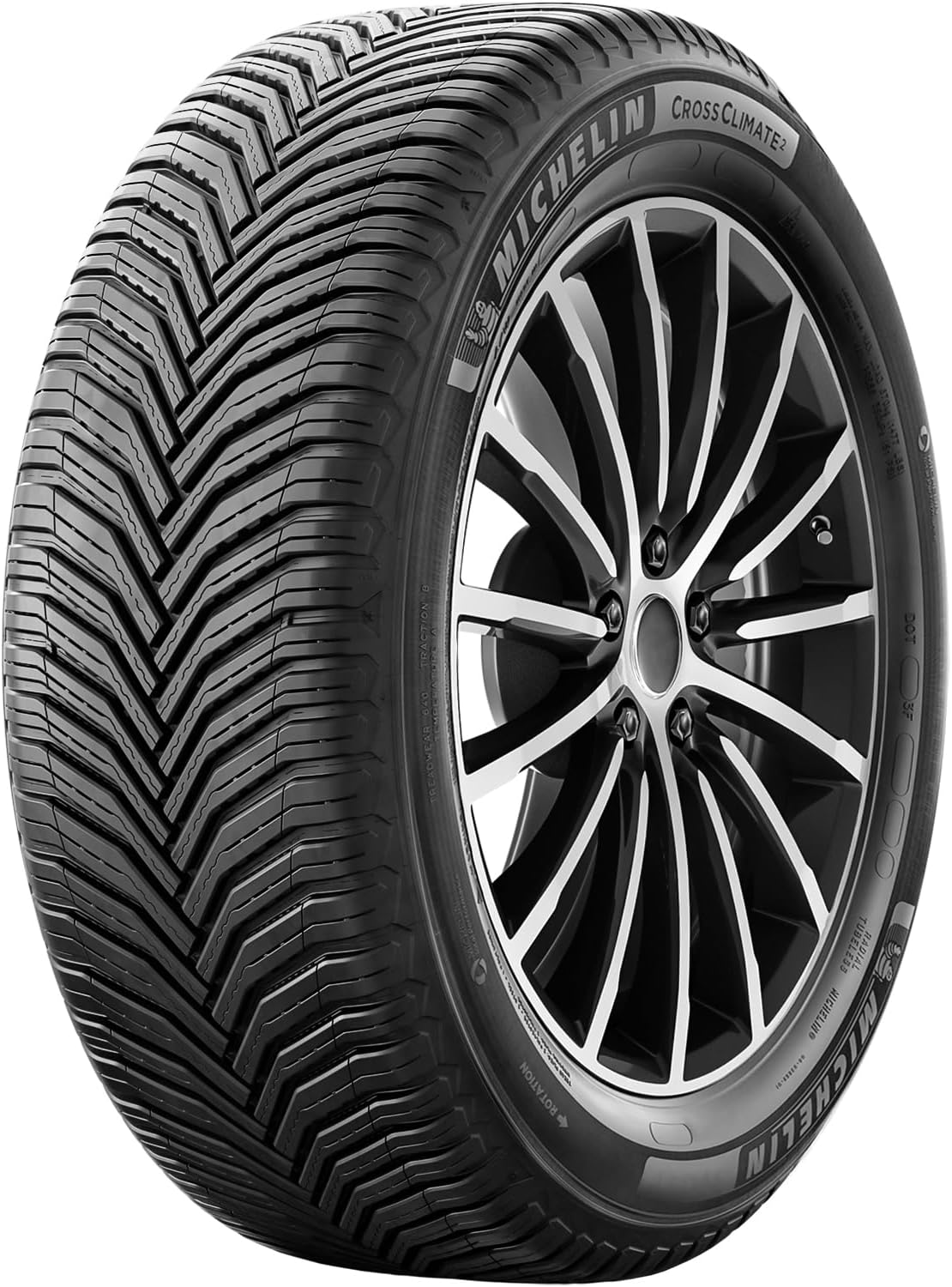
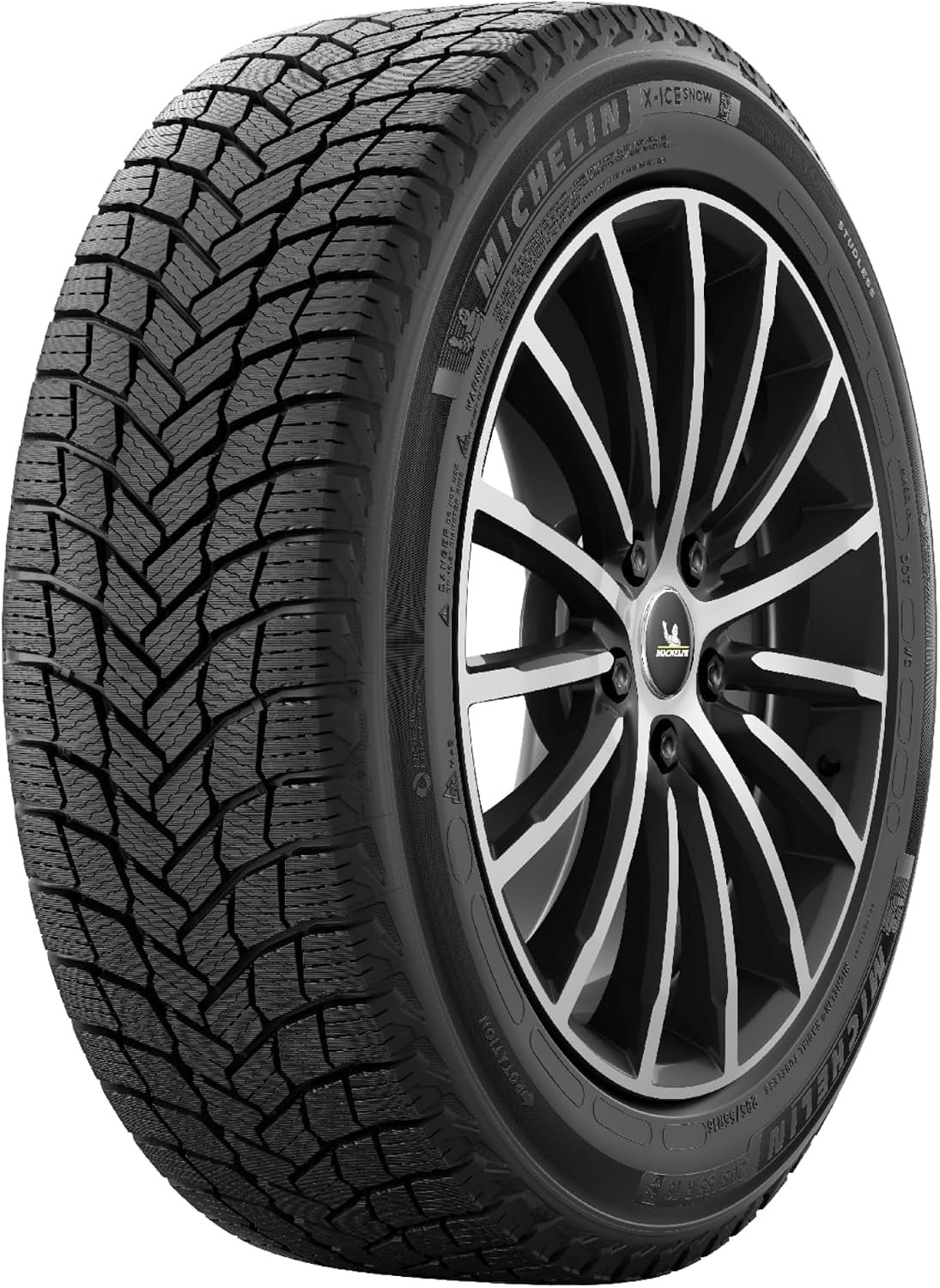
CrossClimate2 represents the premium year-round all-weather approach. X-Ice Snow is a dedicated winter tire designed for deep-season cold, snow and ice. Tire Rack's 2026 comparison included both, illustrating why the appropriate category depends on winter exposure rather than brand alone.
Read our Michelin CrossClimate2 review
Bridgestone WeatherPeak vs Blizzak WS90
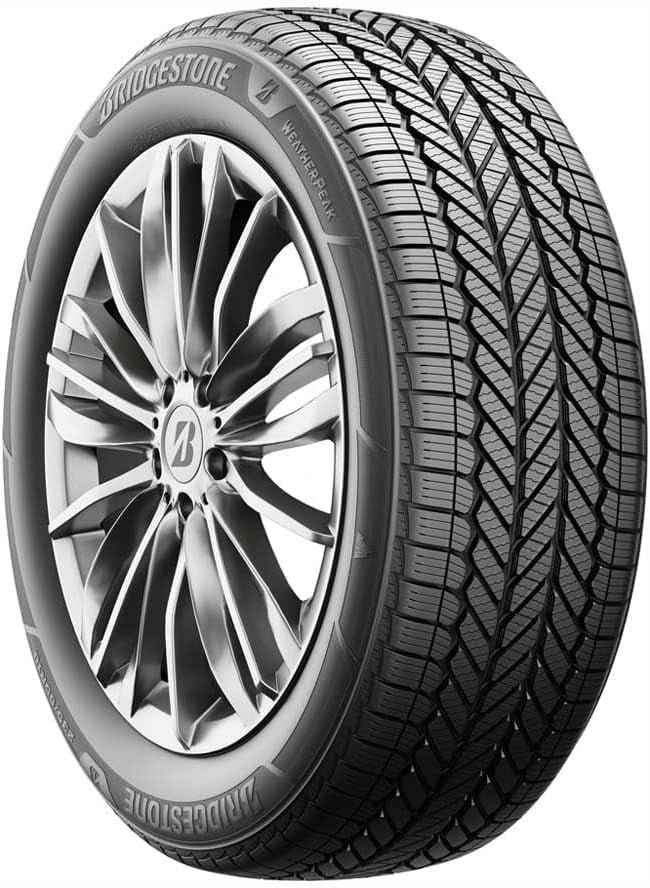
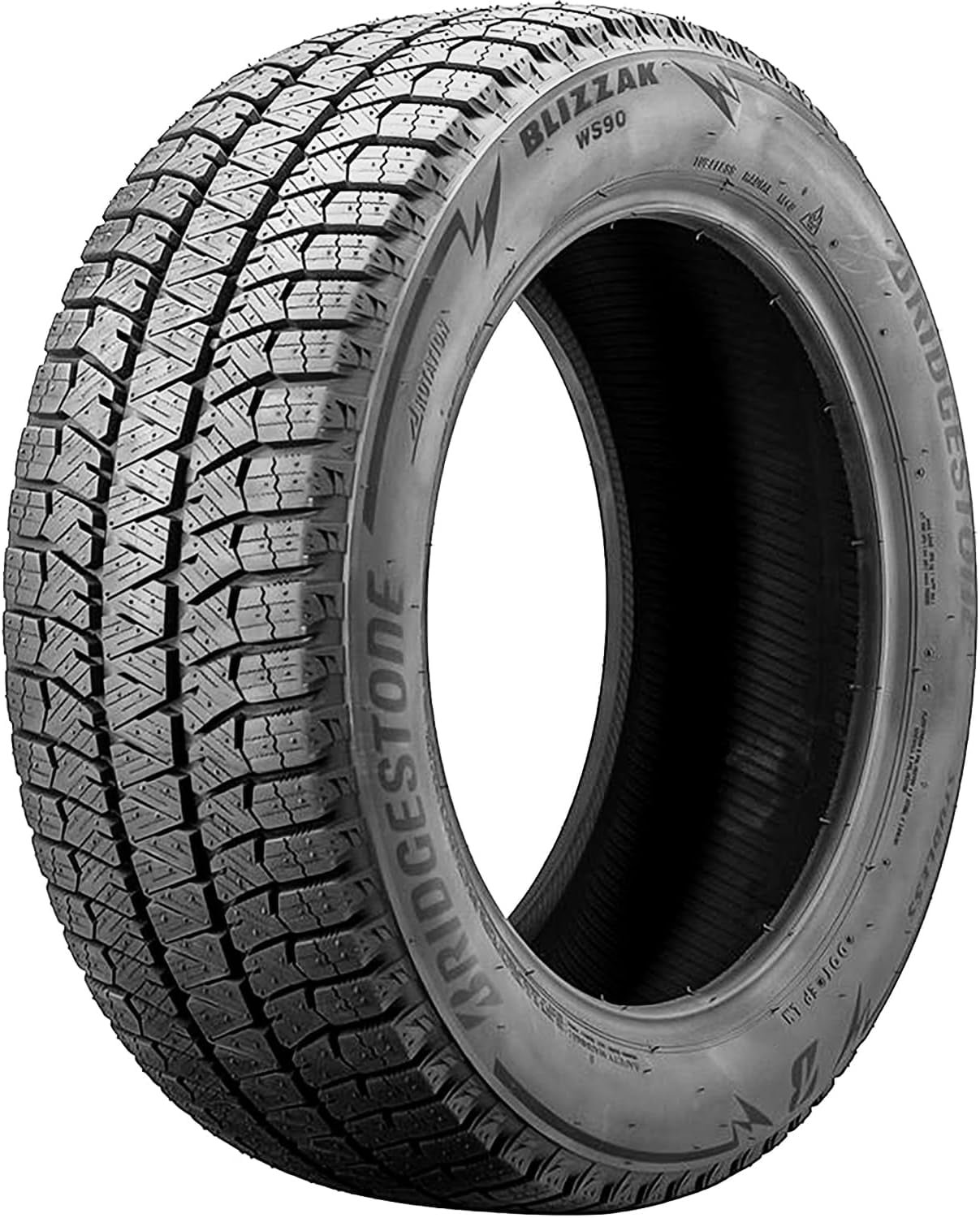
WeatherPeak was the all-weather Bridgestone in Tire Rack's same-platform 2026 comparison, while Blizzak WS90 represented dedicated winter performance. They are not direct substitutes if regular severe ice and snow are part of your winter. Our newer UltraWeather coverage is a separate product discussion.
Compare seven all-weather tires for snow and rain
Frequently Asked Questions
Are all-weather tires the same as winter tires?
No. Both may carry 3PMSF, but the certification is limited in scope and dedicated winter tires are designed for harsher winter use.
Is AWD enough without winter tires?
No. AWD improves powered traction but does not replace the tire grip needed for braking and turning.
Can I drive dedicated winter tires all summer?
That is generally not recommended. Their compounds and tread are intended for cold-weather conditions, and warm-season wear and handling can be compromised.
Do I need four winter tires?
Yes. Install a matched set of four appropriate tires to maintain balanced traction during braking and cornering; mixing winter and other tire categories across axles can create dangerous handling differences.
Do all-weather tires work for SUVs?
Yes, provided a specific tire size and load/speed specification match the vehicle requirements. The right model for a compact crossover may not fit a heavy three-row SUV.
Further Reading and Testing Sources
Tire Rack: All-Weather vs Winter Tires controlled test (2026)
Tire Rack: What are all-weather tires?
Tire Rack: Best all-weather tires for 2026
Michelin: Seasonal tire differences
Bottom Line
Choose all-weather tires if your winters are manageable, you value year-round convenience, and wet-road performance matters often. Choose a dedicated set of winter tires if you regularly face freezing roads, packed snow, ice or mountain conditions. Base the decision on your worst credible conditions, not the tire's marketing label.
This guide may contain affiliate links. The All Guy may earn a commission at no extra cost. We did not conduct hands-on tire testing; the comparisons are based on cited independent tests and manufacturer information.


