
This is a research-based comparison using current manufacturer specifications and independent test results. We may earn a commission from qualifying purchases or partner links at no additional cost to you.
As an Amazon Associate I earn from qualifying purchases.
The Michelin CrossClimate2 and Pirelli Cinturato WeatherActive are two of the strongest all-weather tires you can buy if you want one set for the entire year. They are also close enough in overall capability that the right choice depends less on brand loyalty and more on the conditions you drive in most.
The short version is simple: the Michelin is the better choice if wet-road braking is your top priority, while the Pirelli is the better all-around choice if you want sharper dry handling, a more composed ride, and fewer compromises across normal year-round driving.
For the broader category, see our Best All-Weather Tires for 2026. You can also compare both against Nokian in our Michelin vs Nokian vs Pirelli all-weather tire comparison.
Michelin CrossClimate2 vs Pirelli WeatherActive: Quick Comparison
Category | Michelin CrossClimate2 | Pirelli Cinturato WeatherActive | Winner |
|---|---|---|---|
Overall result | 2nd in Car and Driver 2026 test | 1st in Car and Driver 2026 test | Pirelli |
Wet performance | Best in every objective wet test | Close second | Michelin |
Dry handling | Strong grip, more understeer | Best dry performance and steering response | Pirelli |
Snow | Strong braking and confident behavior | Capable, but not the strongest part of its test | Michelin, slight edge |
Ride | Firm over larger impacts | More composed over rough pavement | Pirelli |
70-mph cabin sound | 66 dBA in tested size | 67 dBA in tested size | Michelin, slight edge |
Treadwear warranty | 60,000 miles | 60,000 miles | Tie |
3PMSF severe-snow rating | Yes | Yes | Tie |
QUICK PICKS
Choose Michelin for the strongest wet-road performance or Pirelli for the best overall balance.
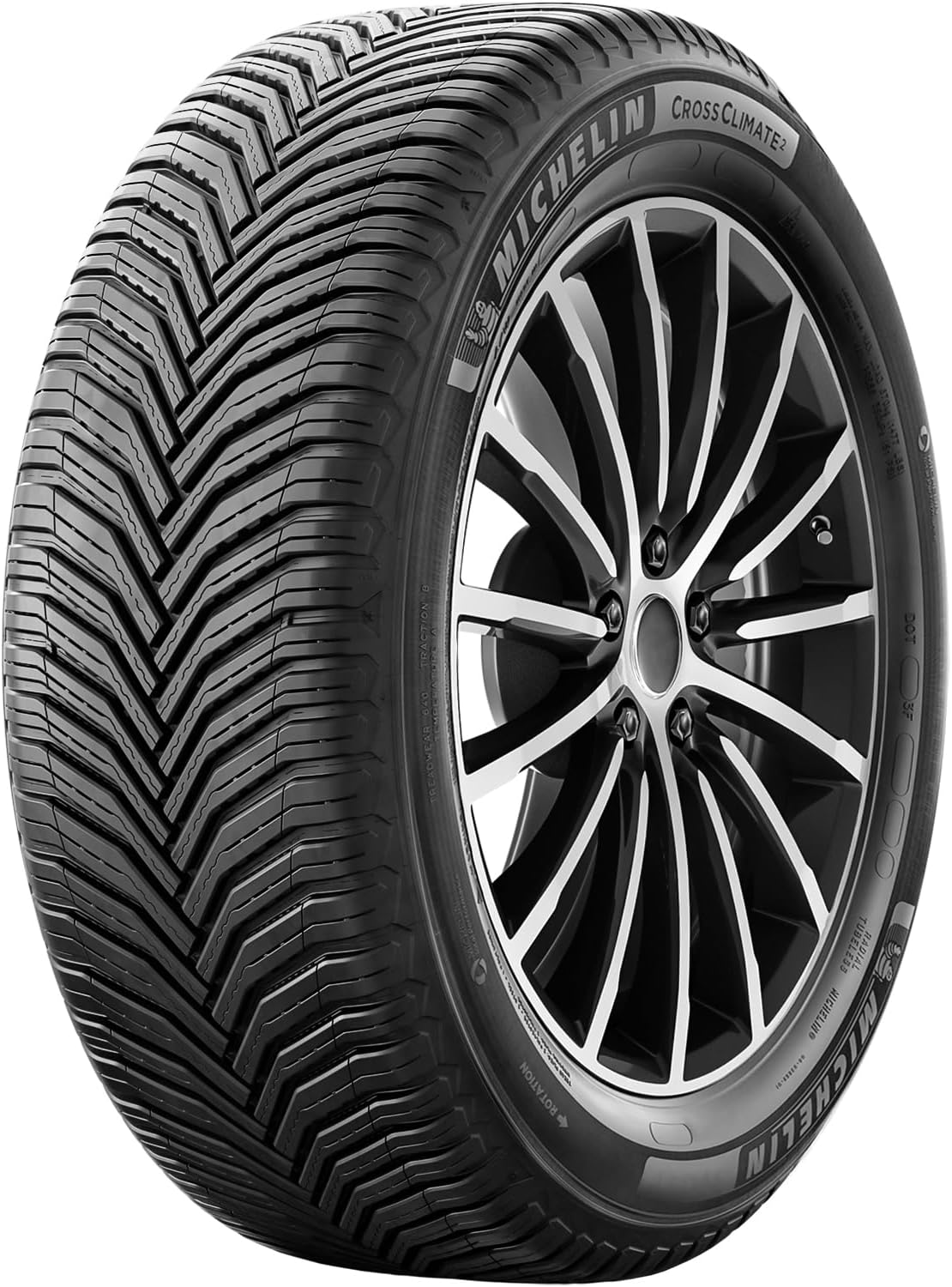
Michelin CrossClimate2
View on Amazon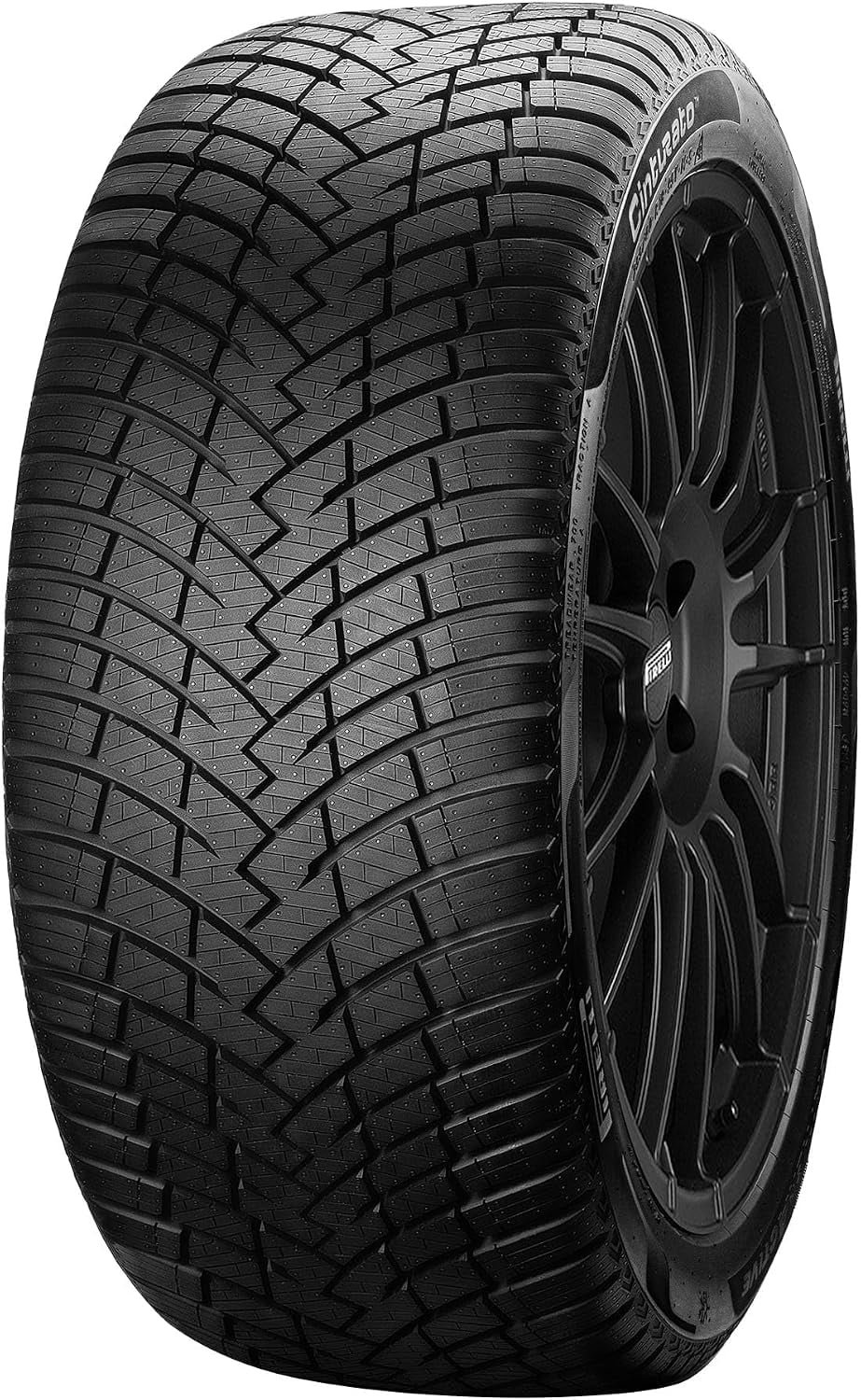
Pirelli Cinturato WeatherActive
View on AmazonWhich One Should You Buy?
Buy the Michelin CrossClimate2 if you drive in frequent rain, slush, standing water, or wet winter conditions.
Buy the Pirelli Cinturato WeatherActive if you want the best overall balance of dry handling, wet grip, snow capability, and ride quality.
If snow and ice are severe enough to dominate your winter, consider dedicated winter tires rather than relying on either all-weather option.
1. Michelin CrossClimate2: Best for Wet Roads
The CrossClimate2 remains one of the benchmarks in the all-weather category because it combines strong winter capability with exceptional wet-road performance. In Car and Driver's updated 2026 test, it finished first in every objective wet category and placed second overall.
That wet-road advantage is the biggest reason to choose Michelin. If your winters are more rain and slush than deep snow, braking and cornering on cold wet pavement are often more relevant than maximum snow traction.
Michelin lists the CrossClimate2 as 3PMSF certified and backs it with a 60,000-mile treadwear warranty. The manufacturer also emphasizes wet and dry braking performance and year-round capability, including when the tire is worn.
Michelin strengths
Class-leading wet performance in the 2026 independent test.
Strong snow braking and predictable winter behavior.
3PMSF severe-snow certification.
60,000-mile treadwear warranty.
Slightly lower measured cabin sound than the Pirelli in the tested size.
Michelin tradeoffs
More understeer in dry autocross testing.
Firmer ride over larger impacts.
Less polished overall balance than the Pirelli despite the wet advantage.
2. Pirelli Cinturato WeatherActive: Best Overall
The Pirelli Cinturato WeatherActive won Car and Driver's 2026 all-weather tire comparison because it was the least compromised option across the full test. It delivered the strongest dry performance, stayed close to Michelin in the wet, and remained capable in snow.
The most noticeable advantage is how the Pirelli behaves on normal pavement. Testers praised its direct steering response and dry-road control, while also noting that it absorbed rough pavement without the harsher reactions reported from the Michelin.
Pirelli lists the Cinturato WeatherActive as 3PMSF rated and backs it with a 60,000-mile treadwear warranty. Its directional tread, water-evacuation grooves, and compound are designed to work across a broad temperature range.
Pirelli strengths
First overall in the 2026 independent comparison.
Best dry performance of the tested all-weather group.
Very strong wet performance, only slightly behind Michelin.
Responsive steering and a more composed ride.
3PMSF severe-snow certification and 60,000-mile treadwear warranty.
Pirelli tradeoffs
Snow performance was good, but not the strongest part of the test.
Measured cabin sound was 67 dBA versus 66 dBA for Michelin in the tested size.
If wet braking dominates your decision, Michelin still has the clearer advantage.
Wet Braking and Rain: Michelin Wins
This is the clearest difference between the two. The CrossClimate2 swept Car and Driver's objective wet tests, giving it the edge for drivers who regularly deal with heavy rain, cold wet pavement, and slush.
The Pirelli was still an excellent wet tire and finished close behind. This is not a case of one tire being good and the other being bad. It is a case of Michelin being the specialist and Pirelli being the more balanced all-rounder.
Dry Handling: Pirelli Wins
The Pirelli separates itself on dry pavement. It was the strongest tire in the 2026 dry testing and earned praise for direct steering and predictable behavior near the limit.
Michelin still delivers plenty of everyday grip, but the CrossClimate2 showed more understeer in the dry autocross. If most of your miles are on dry pavement and winter weather is occasional, the Pirelli is the more natural fit.
Snow Performance: Michelin Gets a Slight Edge
Both tires carry the three-peak mountain snowflake rating and both are legitimate all-weather options. Michelin's test behavior was especially confidence-inspiring under braking, while Pirelli remained capable but did not dominate the snow portion.
An earlier Tire Rack comparison also found both tires competitive in winter conditions. The Michelin showed strong ice acceleration, while the Pirelli recorded the shorter ice-braking distance in that specific test. That is a useful reminder that winter performance is multi-dimensional and can vary by surface, temperature, tire size, and vehicle.
For normal mixed winter driving, both are credible. For severe snow and ice, a dedicated winter tire remains the better tool.
Ride Comfort and Noise
Objective cabin sound was nearly a tie in Car and Driver's test: 66 dBA for the Michelin and 67 dBA for the Pirelli at a 70-mph cruise in the tested size.
Subjectively, however, Pirelli had the better ride. The CrossClimate2 was described as firmer over larger impacts, while the WeatherActive did a better job soaking up rough pavement.
If you are putting these on a vehicle that already rides firmly, that difference may matter more than the one-decibel sound measurement.
Warranty and Tread Life
Both tires come with 60,000-mile treadwear warranties from their manufacturers, so there is no major headline advantage here.
Michelin also markets the CrossClimate2 around long-lasting performance and worn-tire capability. Pirelli emphasizes tread design intended to preserve useful siping as the tire wears. Real-world tread life will still depend heavily on alignment, rotation intervals, pressure, vehicle weight, driving style, and climate.
Price and Value
Do not make this decision from a generic online price alone because tire pricing changes constantly by size, retailer, promotion, and vehicle fitment.
In Car and Driver's 225/45R18 test snapshot, the Pirelli was listed at $219 and the Michelin at $232. That gap is small enough that performance priorities should matter more than the difference in purchase price.
Always compare the exact size, load index, speed rating, installation cost, road-hazard coverage, and current rebates for your vehicle.
Which Tire Is Better for Different Drivers?
Driver / Conditions | Best Choice | Why |
|---|---|---|
Frequent rain and wet highways | Michelin CrossClimate2 | Best objective wet performance |
Mostly dry pavement with occasional winter weather | Pirelli WeatherActive | Best dry handling and overall balance |
Mixed rain, snow, and dry commuting | Pirelli WeatherActive | Least-compromised overall package |
Wet winter climate | Michelin CrossClimate2 | Wet braking advantage plus 3PMSF capability |
Comfort-sensitive daily driver | Pirelli WeatherActive | More composed ride in independent testing |
Driver focused on cabin sound | Michelin CrossClimate2 | One decibel quieter in the tested size |
FAQ
Is the Pirelli WeatherActive better than the Michelin CrossClimate2?
Overall, yes in the 2026 Car and Driver comparison: Pirelli finished first and Michelin second. The answer changes if wet braking is your top priority, because Michelin led every objective wet test.
Which is better in rain?
The Michelin CrossClimate2. It had the strongest wet performance in the 2026 independent test and is the better pick for frequent rain and wet-road braking.
Which is better in snow?
Michelin gets a slight edge based on the 2026 test balance, but both tires are 3PMSF rated and both are credible year-round choices. Dedicated winter tires still outperform either option in severe winter conditions.
Which is quieter?
In the tested 225/45R18 size, Michelin measured 66 dBA at 70 mph and Pirelli measured 67 dBA. Subjective ride quality favored Pirelli, so the quieter tire is not automatically the more comfortable tire.
Do both have a 60,000-mile warranty?
Yes. Michelin and Pirelli both list 60,000-mile treadwear coverage for these models. Warranty terms and eligibility details still matter, so confirm the current manufacturer policy for your exact purchase.
Sources and Testing Basis
Manufacturer specifications: Michelin CrossClimate2 and Pirelli Cinturato WeatherActive. Independent comparisons: Car and Driver 2026 all-weather tire test and Tire Rack grand touring all-season test.
Bottom Line
Also comparing Pirelli against Nokian? Read our Pirelli WeatherActive vs Nokian Remedy WRG5 comparison.
Also deciding between Michelin and Nokian? Read our Michelin CrossClimate2 vs Nokian Remedy WRG5 comparison.
For most drivers choosing between these two, the Pirelli Cinturato WeatherActive is the better overall tire. It gives up a little wet-road performance to Michelin but makes that back with stronger dry handling, a better subjective ride, and a more balanced year-round character.
Choose the Michelin CrossClimate2 if rain and wet braking are the conditions you care about most. Choose the Pirelli if you want the strongest overall compromise for dry, wet, and occasional-snow driving.
This is a research-based comparison using current manufacturer specifications and independent test results. We may earn a commission from qualifying purchases or partner links at no additional cost to you.


