
This is a research-based comparison using current manufacturer specifications and independent test results. We may earn a commission from qualifying purchases or partner links at no additional cost to you.
As an Amazon Associate I earn from qualifying purchases.
The Pirelli Cinturato WeatherActive and Nokian Remedy WRG5 are both 3PMSF-rated all-weather tires, but they are tuned for different priorities. Pirelli is the better all-around road tire, while Nokian makes the stronger case for snow-focused durability and pothole protection.
In Car and Driver's updated 2026 all-weather tire test, the Pirelli finished first overall and the Nokian finished fifth. That ranking does not mean the Nokian is weak everywhere: it was strong in dry conditions and snow, but wet braking was its biggest problem.
For the broader category, see our Best All-Weather Tires for 2026. You can also compare both against Michelin in our Michelin vs Nokian vs Pirelli all-weather tire comparison.
Pirelli WeatherActive vs Nokian Remedy WRG5: Quick Comparison
Category | Pirelli Cinturato WeatherActive | Nokian Remedy WRG5 | Winner |
|---|---|---|---|
Overall test result | 1st in Car and Driver 2026 test | 5th in Car and Driver 2026 test | Pirelli |
Dry handling | Best dry performance in the test | Strong dry performer | Pirelli |
Wet performance | Close second in the wet | Weakest wet performance in the group | Pirelli |
Snow | Solid, but trailed the strongest winter performers | Strong and secure in snow | Nokian |
70-mph cabin sound | 67 dBA in tested size | 67 dBA in tested size | Tie |
Treadwear warranty | 6 years / 60,000 miles | 60,000 miles | Nokian for long-term coverage structure |
Pothole protection | No equivalent program highlighted | Eligible for Nokian Pothole Protection | Nokian |
3PMSF severe-snow rating | Yes | Yes | Tie |
QUICK PICKS
Choose Pirelli for the best overall balance or Nokian for snow-focused durability and pothole protection.
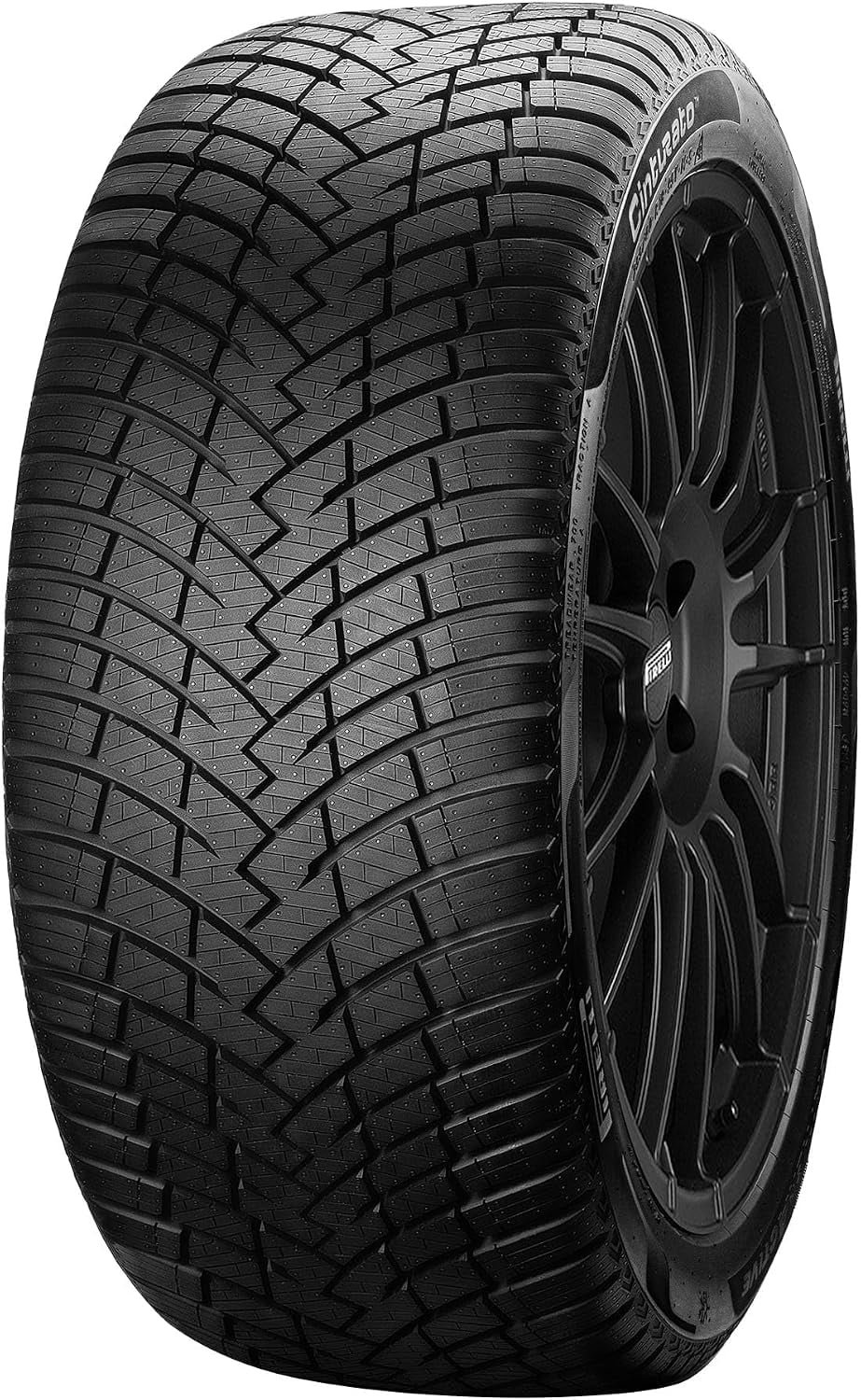
Pirelli Cinturato WeatherActive
View on Amazon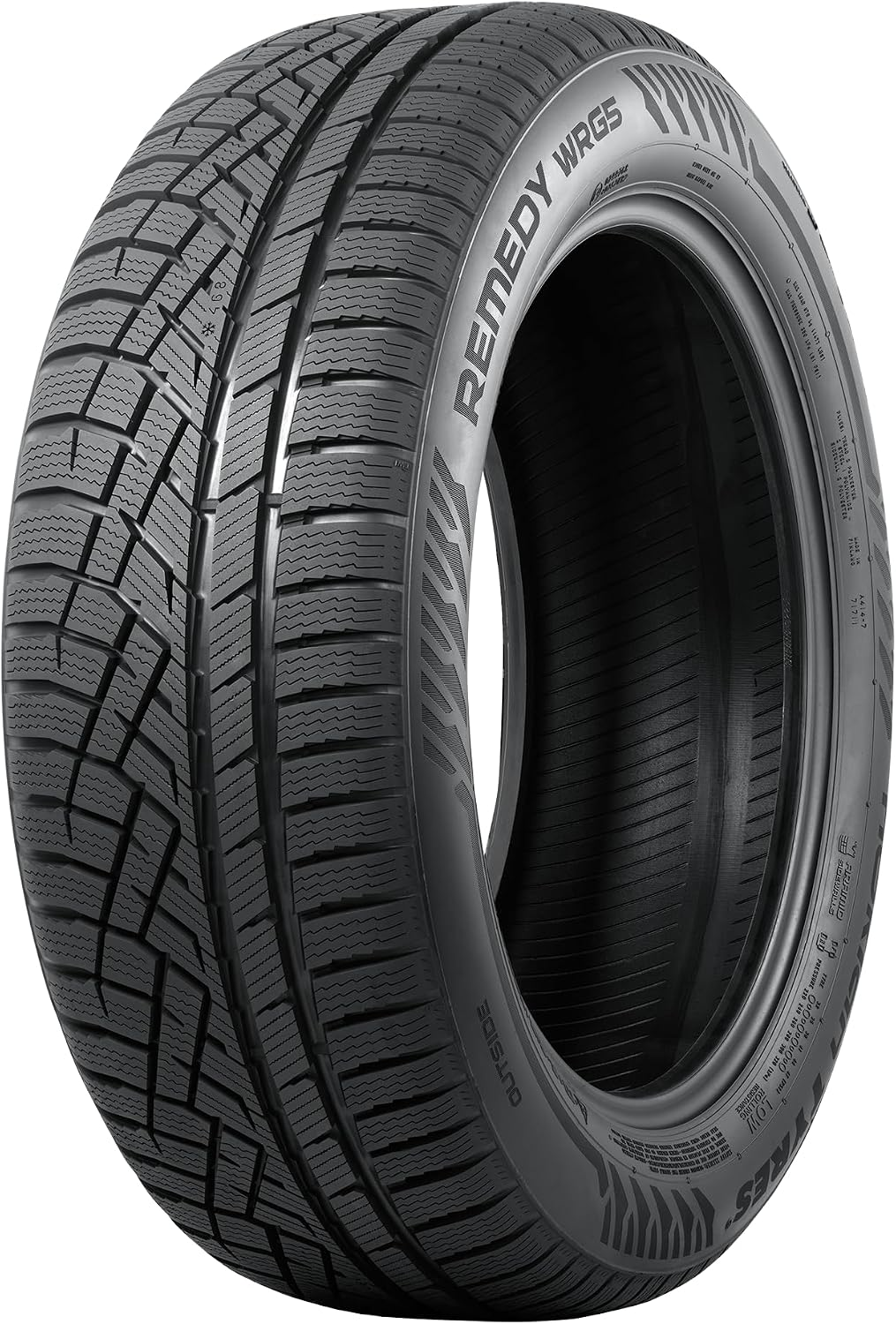
Nokian Remedy WRG5
View on AmazonWhich One Should You Buy?
Buy the Pirelli Cinturato WeatherActive if you want the strongest overall balance for dry, wet, and occasional-snow driving.
Buy the Nokian Remedy WRG5 if snow, rough roads, potholes, and durability matter more than peak wet braking.
If severe winter conditions dominate your driving, dedicated winter tires still outperform either all-weather option.
1. Pirelli Cinturato WeatherActive: Best Overall
The Pirelli Cinturato WeatherActive is the easier recommendation for most drivers because it performed well across every major category without a major weakness. It finished first overall in Car and Driver's 2026 all-weather test.
Its biggest advantage is dry-road behavior. The Pirelli delivered the best dry performance in the group, with responsive steering and predictable handling. It also stayed close to the best wet performer, which makes it unusually balanced for an all-weather tire.
Pirelli lists the Cinturato WeatherActive as 3PMSF rated and backs it with a 60,000-mile treadwear warranty. Its directional design, water-evacuation grooves, and compound are intended to work across a wide temperature range.
Pirelli strengths
First overall in the 2026 independent comparison.
Best dry performance of the tested all-weather group.
Close second in wet testing.
Responsive steering and composed ride quality.
3PMSF severe-snow certification and 60,000-mile treadwear warranty.
Pirelli tradeoffs
Snow results trailed the strongest winter-focused options.
No comparable pothole-protection program highlighted by the manufacturer.
Drivers who prioritize snow above everything else may prefer the Nokian.
2. Nokian Remedy WRG5: Best for Snow-Focused Durability
The Nokian Remedy WRG5 is a more specialized choice. It was strong in dry conditions and snow, but its wet performance pulled down its overall score in the 2026 comparison.
Nokian lists the WRG5 as 3PMSF certified with a 60,000-mile treadwear limited warranty. It also uses Aramid-reinforced construction and is eligible for Nokian's Pothole Protection program under the program's terms.
That durability package matters if your roads are rough. The WRG5 is especially compelling for drivers who regularly deal with snow, freeze-thaw damage, potholes, or broken pavement.
Nokian strengths
Strong snow performance and secure winter behavior.
Strong dry-road performance.
60,000-mile treadwear limited warranty.
Aramid-reinforced construction.
Eligible for Nokian Pothole Protection.
Nokian tradeoffs
Weakest wet performance in the tested five-tire group.
Longer wet stopping distances than the leaders.
Less balanced overall than the Pirelli for mixed everyday driving.
Dry Handling: Pirelli Wins
Dry handling is one of the clearest reasons to choose the Pirelli. It was the strongest dry tire in the test and offered the most responsive steering feel of the all-weather group.
The Nokian was still a strong dry performer, but it did not match the Pirelli's combination of grip, precision, and overall balance.
Wet Braking and Rain: Pirelli Wins
The wet gap is even more important. Pirelli stayed close to the top wet performer, while Nokian had the weakest wet result in the group.
For drivers who regularly see rain, wet highways, or slush, the Pirelli is the much safer default choice. Nokian's wet weakness is the single biggest reason it finished lower overall.
Snow Performance: Nokian Wins
Snow is where the Nokian makes its strongest case. The Remedy WRG5 was secure and easy to control, with strong braking and solid lateral grip in winter testing.
The Pirelli remained capable and is still a legitimate 3PMSF all-weather tire, but snow was not the strongest part of its test. If winter roads make up a large share of your driving, the Nokian deserves more weight.
Ride Comfort and Noise
Both tires measured 67 dBA at a 70-mph cruise in the tested 225/45R18 size, so objective cabin sound was effectively a tie.
Pirelli earned stronger subjective ride comments, with testers noting that it soaked up rough pavement without harsh slaps. Nokian did not stand out as unusually harsh, but the Pirelli felt more polished overall.
Warranty and Durability: Nokian Wins
Both tires offer 60,000-mile treadwear coverage, but Nokian's ownership package is more distinctive. The Remedy WRG5 combines Aramid-reinforced sidewalls with eligibility for Nokian's Pothole Protection program.
That does not erase the wet-performance gap, but it gives Nokian a meaningful advantage for drivers who routinely deal with potholes and damaged pavement.
Price and Value
In Car and Driver's 225/45R18 test snapshot, the Pirelli was listed at $219 and the Nokian at $220, effectively making price a tie in that comparison.
Because real-world tire prices change constantly by size, retailer, promotion, and fitment, performance priorities should matter more than a one-dollar test-day difference.
Compare your exact size, load index, speed rating, installation cost, warranty eligibility, road-hazard coverage, and current rebates before buying.
Which Tire Is Better for Different Drivers?
Driver / Conditions | Best Choice | Why |
|---|---|---|
Mostly dry and wet roads | Pirelli WeatherActive | Best overall balance and dry handling |
Frequent rain | Pirelli WeatherActive | Much stronger wet performance |
Snowy climate with rough roads | Nokian Remedy WRG5 | Snow capability plus pothole protection |
Mixed year-round commuting | Pirelli WeatherActive | Least-compromised overall package |
Durability-focused buyer | Nokian Remedy WRG5 | Aramid construction and Pothole Protection eligibility |
Driver who wants one set for most conditions | Pirelli WeatherActive | Broader balance across dry, wet, and snow |
FAQ
Is the Pirelli WeatherActive better than the Nokian Remedy WRG5?
For most drivers, yes. Pirelli finished first overall in the 2026 independent comparison, while Nokian finished fifth because of its wet-road weakness. Nokian remains attractive for snow, durability, and pothole protection.
Which is better in rain?
The Pirelli Cinturato WeatherActive. It stayed close to the top wet performer, while the Nokian had the weakest wet result in the group.
Which is better in snow?
The Nokian Remedy WRG5. It was strong and secure in snow testing, while the Pirelli's snow results were capable but less impressive than its dry and wet performance.
Which is better for potholes and rough roads?
The Nokian Remedy WRG5. It uses Aramid technology and is eligible for Nokian's Pothole Protection program under the program's terms.
Do both have a 60,000-mile warranty?
Yes. Pirelli backs the WeatherActive with a 60,000-mile treadwear warranty, and Nokian lists a 60,000-mile treadwear limited warranty for the Remedy WRG5.
Sources and Testing Basis
Manufacturer specifications: Pirelli Cinturato WeatherActive, Nokian Remedy WRG5, and Nokian Pothole Protection. Independent comparison: Car and Driver 2026 all-weather tire test.
Bottom Line
The Pirelli Cinturato WeatherActive is the better choice for most drivers because it is more balanced in the conditions people encounter most often: dry pavement and rain, while still retaining useful snow capability.
Choose the Nokian Remedy WRG5 if snow, pothole resistance, and durability carry more weight in your decision than wet braking. It is a more specialized tire, but that specialization can make sense in the right climate.
This is a research-based comparison using current manufacturer specifications and independent test results. We may earn a commission from qualifying purchases or partner links at no additional cost to you.


