
This article contains affiliate links. We may earn a commission from qualifying purchases.
As an Amazon Associate I earn from qualifying purchases.
Imagine a severe storm knocks out electricity, interrupts tap water, and shuts down nearby stores for several days. A stocked pantry helps, but it doesn't tell you how you'll keep a phone charged, get official updates, use a toilet when the water stops, or safely prepare food. A bug-in home checklist turns scattered emergency supplies into a coordinated plan for staying at home when local authorities say it is safe to do so.
This guide is written for ordinary households, not for people trying to turn a spare bedroom into a bunker. The goal is three days of immediate resilience, expanding toward fourteen days at home, with clear priorities, reasonable quantities, safe storage, and a realistic evacuation backup. The examples use a family of four, but the checklist can be scaled to your own household, pets, medical needs, climate, and budget.
Quick answer: Build your home emergency plan around eight essentials: safe water, shelf-stable food, light, communication, limited backup power, hygiene, medical supplies, and a written family plan. Start by finding what you already own. Buy only the missing items that address an actual problem.
The American Red Cross recommends a stay-at-home kit with two weeks of food and water, while also maintaining a smaller, portable go-kit. Red Cross survival kit recommendations. Some family needs—including medications, medical-device batteries, and infant supplies—require separate planning with qualified professionals.
Bugging In vs. Evacuating: Decide Before You Need To
"Bugging in" means remaining in a safe home through a disruption instead of immediately leaving. It can be sensible during a local power outage or winter storm when roads are more hazardous than your house. It is not a universal rule. Evacuation orders, rapidly spreading fire, dangerous flooding, structural damage, toxic exposure, and other immediate threats can make staying home unsafe.
Never let a two-week food supply become an excuse to ignore official evacuation or sheltering instructions. Subscribe to local emergency alerts, know where to check official updates, and identify at least two possible destinations or routes where practical. Keep a 72-hour emergency kit accessible so you can leave promptly if the situation changes.
Situation | Initial household response | Why |
|---|---|---|
Short utility outage, house safe | Use your stored essentials and monitor updates | Often manageable without travel |
Official shelter-in-place instructions | Follow the specific official instructions | Hazards and recommended protections vary |
Mandatory evacuation order | Leave according to official direction | Supplies do not replace safety |
Flooding, fire, gas odor, or structural danger | Move to safety and contact emergency services as appropriate | Remaining in the building can create immediate risk |
Uncertain conditions | Check local officials, alerts, and available communications | Don't rely on rumor or a generic checklist |
A good home plan covers both staying and leaving. Assign one family member to monitor alerts and another to check essential supplies, but don't make a single person the only one who knows where everything is.
QUICK PICKS: PRACTICAL HOME EMERGENCY GEAR
Five practical examples from The All Guy's existing emergency-preparedness guides. Choose based on your household needs, not a one-size-fits-all shopping list.
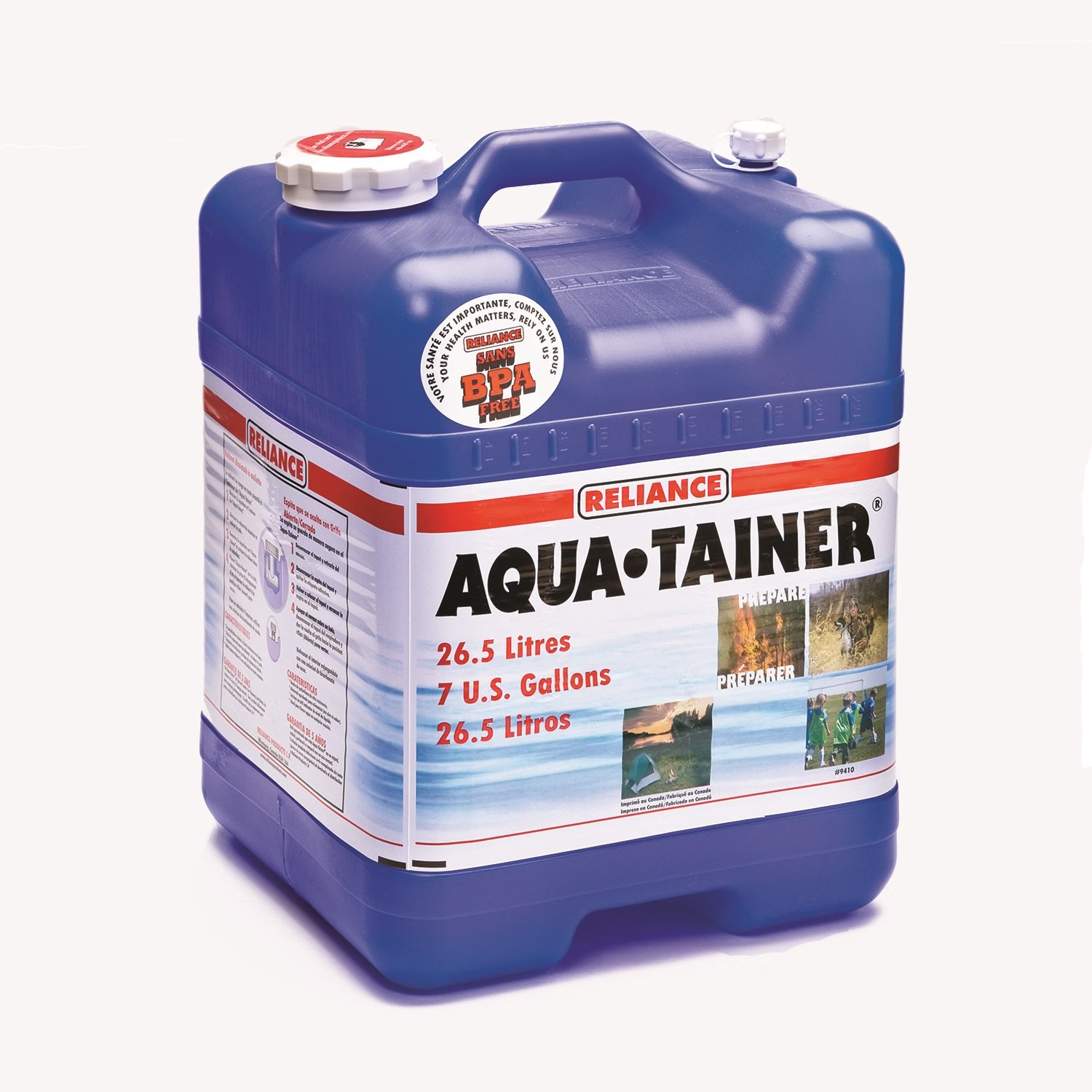
Reliance Aqua-Tainer 7 Gallon
View on Amazon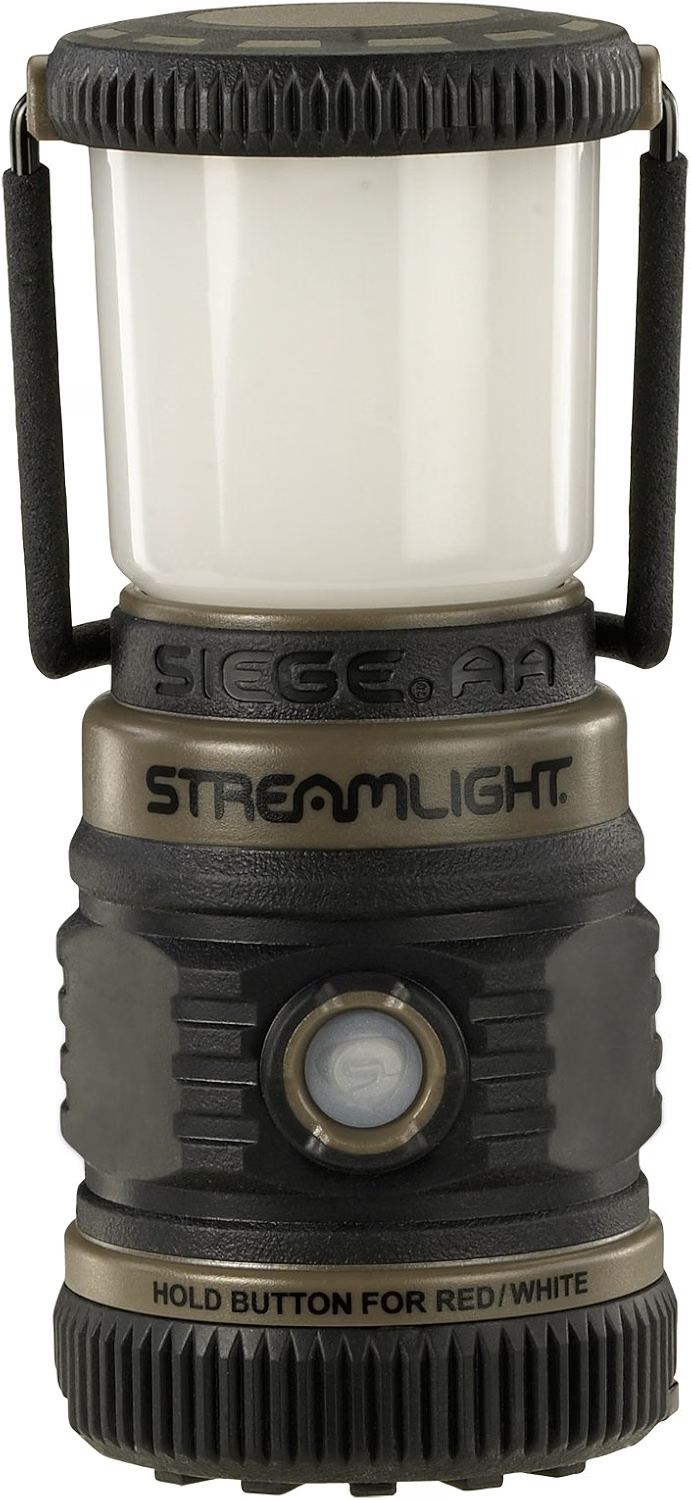
Streamlight Siege Lantern
View on Amazon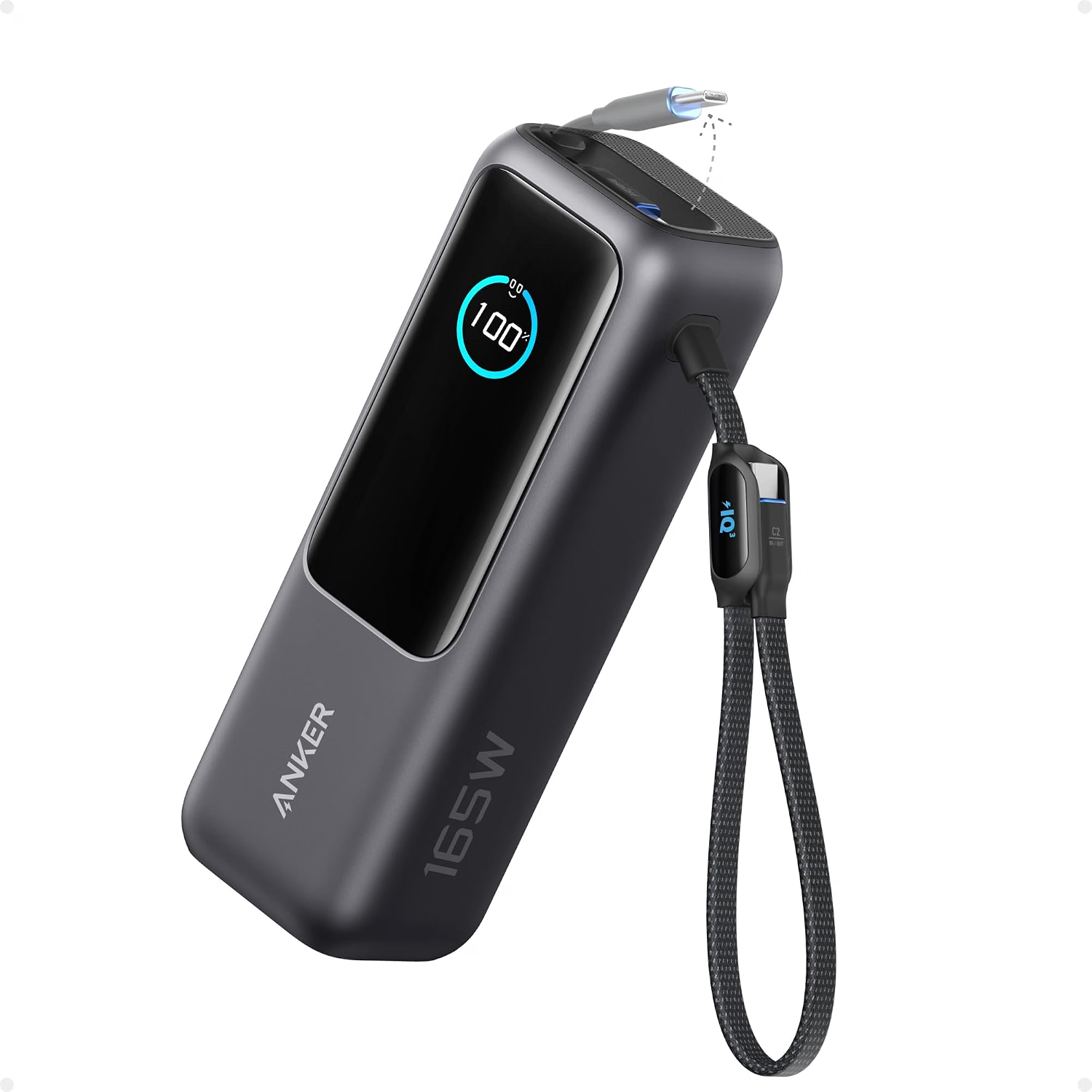
Anker 25,000mAh Power Bank
View on Amazon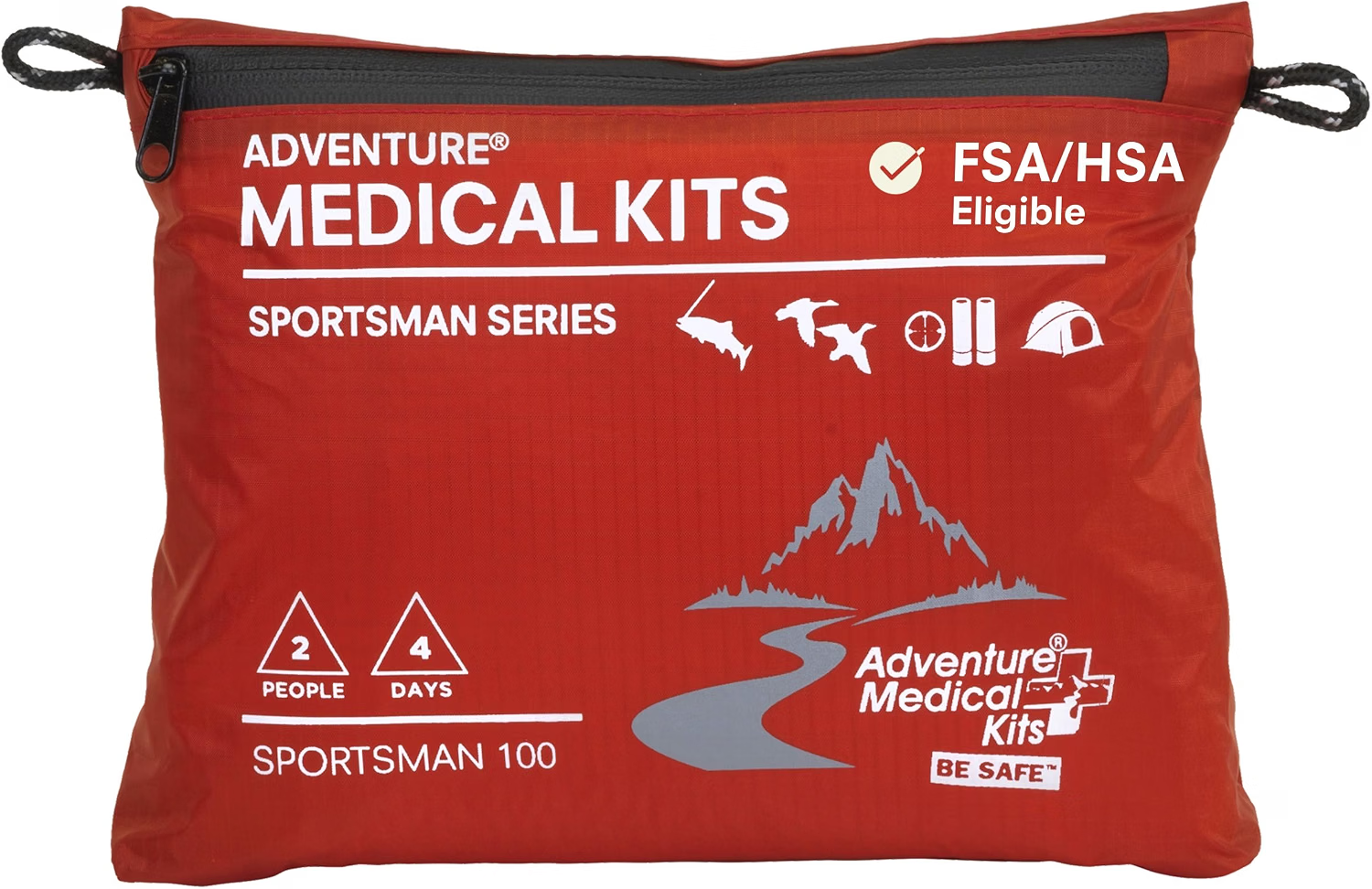
Adventure Medical Sportsman 100
View on Amazon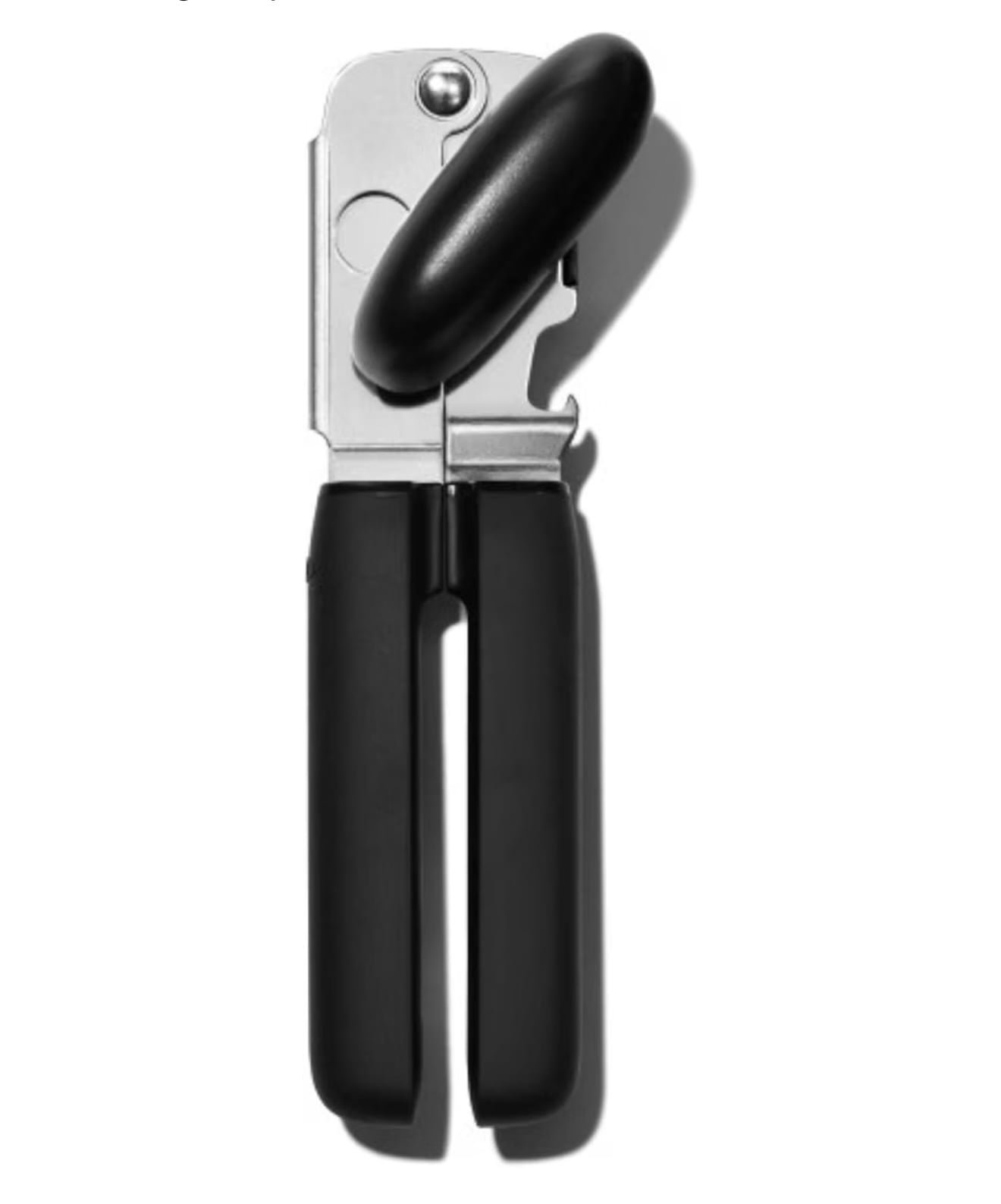
OXO Manual Can Opener
View on AmazonYour 3-Day and 14-Day Bug-In Supply Targets
Start with basic quantities before choosing brands. This table is an inventory framework, not a claim that the same list suits a toddler, an active adult, a person with medical equipment, and someone with pets.
Category | Three-day starting target | Fourteen-day home target |
|---|---|---|
Safe drinking and basic-use water | At least 1 gallon per person per day | At least 14 gallons per person, plus individualized needs |
Food | Three days of easy-to-prepare foods | Fourteen days of familiar shelf-stable meals and snacks |
Lighting | Working light sources and spare power | Enough batteries or recharging capacity for the planned use |
Communication | Weather radio, contacts, phones | Radio and charging plan that works when internet is out |
Medicines | Daily essentials and a written list | Discuss safe emergency refill options with your pharmacist or care team |
Hygiene | Soap, wipes, waste bags, toilet supplies | A sanitation system that works without running water |
Heating or cooling | Plan for local weather | Safe seasonal alternatives and a relocation threshold |
Evacuation backup | Portable go-kit, documents, keys | Keep go-kit available even with a full home pantry |
A fourteen-day supply is a planning goal, not a requirement to buy everything at once. If your budget is limited, start with safe water, foods that need no cooking, required medicines, and ways to receive warnings. Build outward from those priorities. The full family food checklist provides a more detailed grocery and meal-plan example.
1. Store Enough Water—and a Way to Dispense It
For drinking, cooking, and some basic hygiene, the CDC advises storing at least one gallon per person per day for three days and trying for two weeks when possible. For four people, the arithmetic is twelve gallons for three days or fifty-six gallons for fourteen days. That's the baseline before adding pet water, extra cooking needs, medical needs, heat-related drinking, or more extensive sanitation. CDC water storage guidance.
One seven-gallon jug is not a two-week solution for four people. It can be one useful part of a larger system. Combine sealed commercially bottled water, food-grade containers that you can safely fill and clean, and a realistic plan for moving and dispensing full containers. A gallon of water weighs roughly 8.34 pounds, so fifty-six gallons is approximately 467 pounds of water before counting containers. Store heavy supplies in an appropriate, accessible location rather than on an overloaded shelf.
Practical check: Can someone in your household access drinking water without lifting a fifty-pound container? Does each container have a clean spigot, lid, or transfer method? Are storage dates labeled? The CDC generally recommends replacing self-filled water every six months; follow shorter manufacturer intervals if specified.
The seven-gallon Reliance Aqua-Tainer is one example of a portable dispensing container already featured in our family emergency water storage guide. Follow the manufacturer's instruction not to stack Aqua-Tainers while full.
Water treatment is a backup layer, not a reason to skip storage. A portable filter may handle some microorganisms, but not every virus or chemical contaminant. If water is subject to a public-health advisory, follow the exact advisory; boiling or ordinary filters do not make chemical contamination safe. Read CDC's emergency water safety guidance.
2. Build a Two-Week Pantry Around Meals You Already Eat
Most families can make substantial progress at a grocery store. Focus on shelf-stable foods that are familiar, account for allergies, and can be eaten without electricity. A pile of dry rice, powdered food, and beans looks reassuring until you discover that you have no clean water, heat, or safe place to cook.
Divide food into three groups: ready-to-eat meals for the first 72 hours; ordinary shelf-stable foods for the following days; and comfort or specialty items that meet your household's needs. Include canned proteins, canned beans, fruit, vegetables, crackers, nut or seed butter where appropriate, oatmeal, rice, pasta, shelf-stable milk, and foods for children or pets as needed.
Make a seven-day menu and repeat it only after calculating realistic serving sizes and checking the labels. The calorie requirement of a household is not automatically 2,000 calories per person. Ages, health, and activity levels differ, and a "servings" number on a survival-food bucket may not equal complete daily meals. Our two-week family food guide lays out an example inventory and shopping quantities.
Don't let a power outage ruin your food plan
The FDA says an unopened refrigerator generally keeps food cold about four hours, while an unopened full freezer can hold its temperature for about 48 hours (about 24 hours when half full). Actual safety depends on temperature, time, and food condition. Use appliance thermometers and the FDA's detailed guidance; don't determine safety by smell alone. FDA power-outage food safety advice.
Keep a manual can opener in the same drawer or tote as your emergency foods. Practice making a meal without using the microwave, an electric opener, or refrigerated ingredients. Replace pantry foods as part of normal grocery rotation rather than letting a box sit untouched for years.
For long-term dry staples, our Mylar bags and oxygen absorbers tutorial covers suitable dry foods, safe packaging limitations, labeling, and inspection. Specialty storage methods are optional; a reliable rotating pantry should come first.
3. Keep Reliable Lighting and Information Available
An outage is more manageable when you know which rooms have working lights and how to receive updates without home Wi-Fi. Assign an easy-to-find flashlight or headlamp to each household member who can safely use one. Keep one lantern in a central area for shared tasks. Check battery sizes, charging cables, and storage condition before assuming everything works.
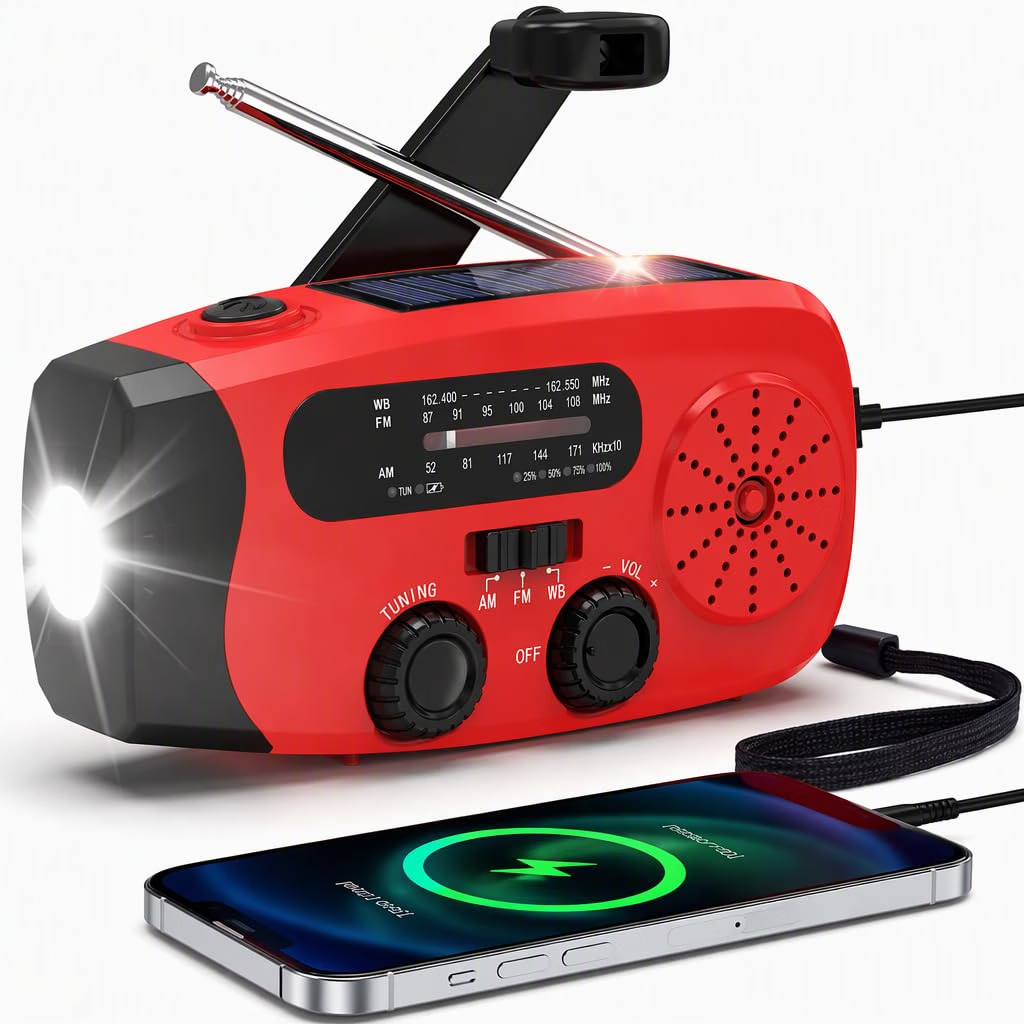
A basic emergency radio should receive local broadcasts and ideally NOAA Weather Radio where coverage exists. Battery-powered or hand-crank options can be useful when phone networks fail. Keep a printed list of radio frequencies or local alert sources; don't assume every radio automatically issues alerts. The Red Cross specifically recommends a battery-powered or hand-crank radio and extra batteries. Red Cross recommended kit.
An emergency weather radio with a hand crank and flashlight offers an additional way to hear local updates when phones are unreliable. Test NOAA reception in your actual location, confirm how the radio is powered, and do not assume every radio automatically activates for warnings. Keep compatible charging cables or batteries available.
An LED lantern such as the Streamlight Siege is an example of portable household lighting. Match the batteries or charging plan to the exact model you purchase. Never rely exclusively on candles for emergency lighting: open flames increase fire risk, particularly around children, pets, and cluttered evacuation supplies.
Communication checklist
Enable local emergency alerts and identify official county or city sources.
Keep a charged phone, compatible cables, and a backup power source accessible.
Write down an out-of-area contact, a household meeting location, and backup ways to communicate.
Print important phone numbers, medication names, and local maps.
Agree on who checks on neighbors or family members who may need assistance.
If one family member is away when the outage begins, everyone should know the first check-in method and the backup when cellular service is unreliable.
4. Calculate Backup Power Instead of Guessing
A power bank and a portable power station are different tools. A power bank is usually suitable for small USB devices; a larger battery power station may run certain AC appliances within its rated wattage and stored energy. Neither should be treated as an unlimited household generator.
Start with the devices that genuinely matter: phones, medical equipment approved for the proposed backup, a weather radio, modest task lighting, and possibly a refrigerator if the battery system can handle its startup and continuous needs. Note the watts each device uses and the hours you expect it to run. A rough energy calculation is watts × hours = watt-hours, before allowing for inverter losses and real-world variability.
Example device | Illustrative consumption | Eight-hour energy use |
|---|---|---|
LED task light | 5 watts | 40 watt-hours |
Small radio | 3 watts | 24 watt-hours |
USB device charging | 15 watts | 120 watt-hours |
Total illustrative load | 23 watts | 184 watt-hours |
These are sample numbers, not verified specifications for a product or a prediction of actual runtime. Check labels or use a power meter. A 1,000-Wh station will not necessarily supply 1,000 Wh at an AC outlet after conversion losses. For sensitive medical devices, confirm backup compatibility and duration with the manufacturer and care team, rather than improvising during an outage.
The Anker 25,000mAh power bank is one example already covered in our 72-hour kit guide for charging portable electronics. Its suitability depends on your device compatibility and the actual charge you need.
For longer outages, a properly sized power station with a supported charging option may be worth a separate purchase. Prioritize verified capacity, AC output, battery chemistry, charging method, and the loads you need rather than marketing claims about how many days it will "power your home."
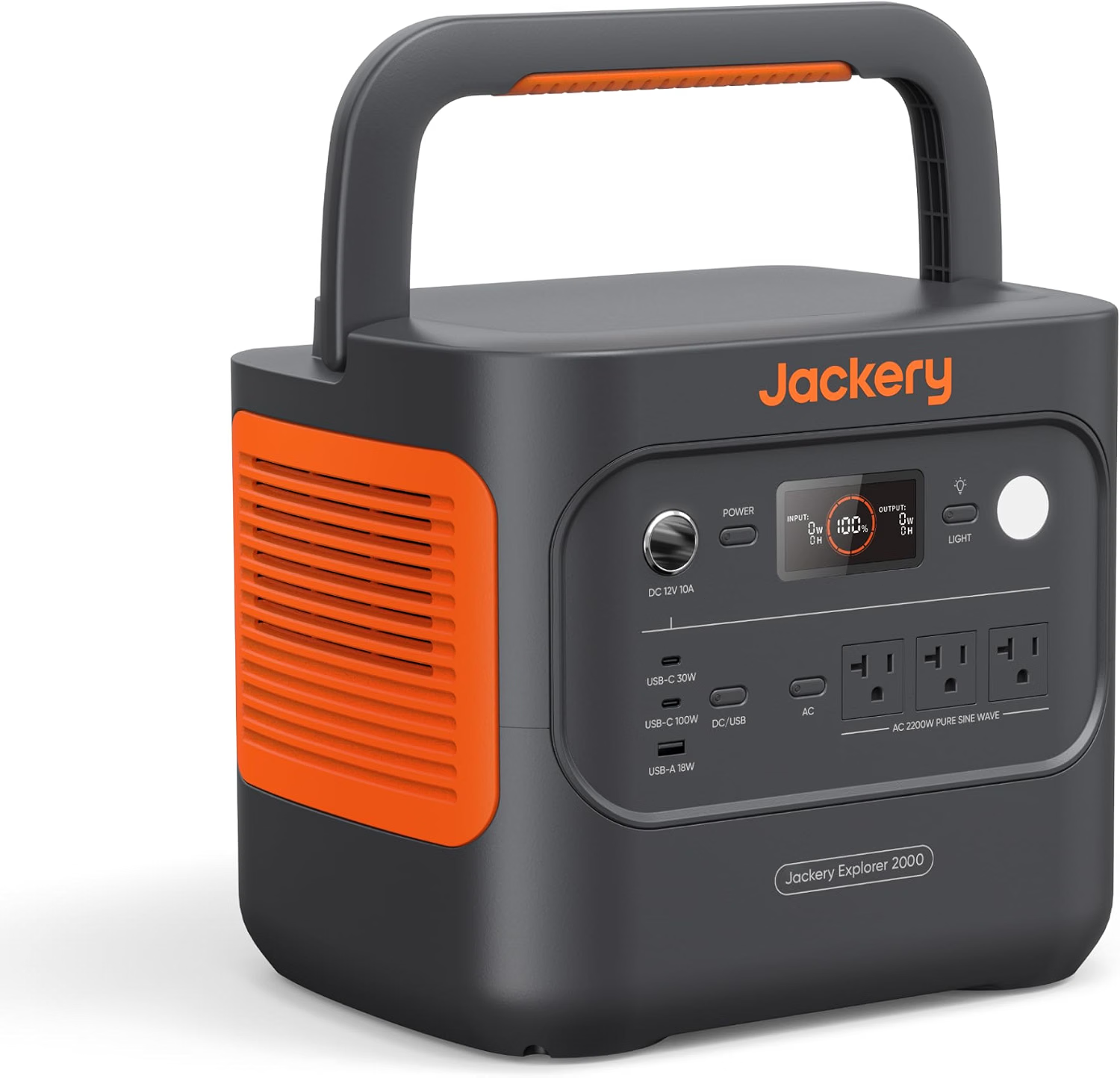
For a higher-capacity option, the Jackery Explorer 2000 v2 is rated by Jackery at 2,042 watt-hours of LiFePO4 battery capacity and 2,200 watts of continuous AC output. Those specifications describe stored energy and maximum output—not a guarantee of how long a refrigerator, medical device, or entire home can run. Calculate real loads, allow for energy-conversion losses, and plan how you would safely recharge it. Manufacturer specifications.
5. Plan Safe Cooking, Heating, and Carbon Monoxide Protection
A household can have plenty of food and still struggle to prepare it safely. Always maintain a no-cook supply so you aren't forced to use fuel-burning equipment when conditions are unsafe. If your plan includes a camping stove, grill, charcoal cooker, or generator, never use it indoors, in an attached garage, or in a confined space.
The CDC says portable generators should be used outdoors at least twenty feet from doors, windows, and vents, with exhaust directed away and working carbon monoxide alarms in the home. An open garage door does not make a generator or fuel stove safe to operate inside. CDC generator safety guidance.
Heating deserves an independent plan. Decide which room you can keep comfortable, what safe clothing and insulation are available, and when the indoor temperature or a vulnerable household member's needs make relocation necessary. Don't turn a kitchen oven or outdoor grill into a space heater. Use only appliances rated and installed for the intended indoor use, following manufacturer directions and local codes.
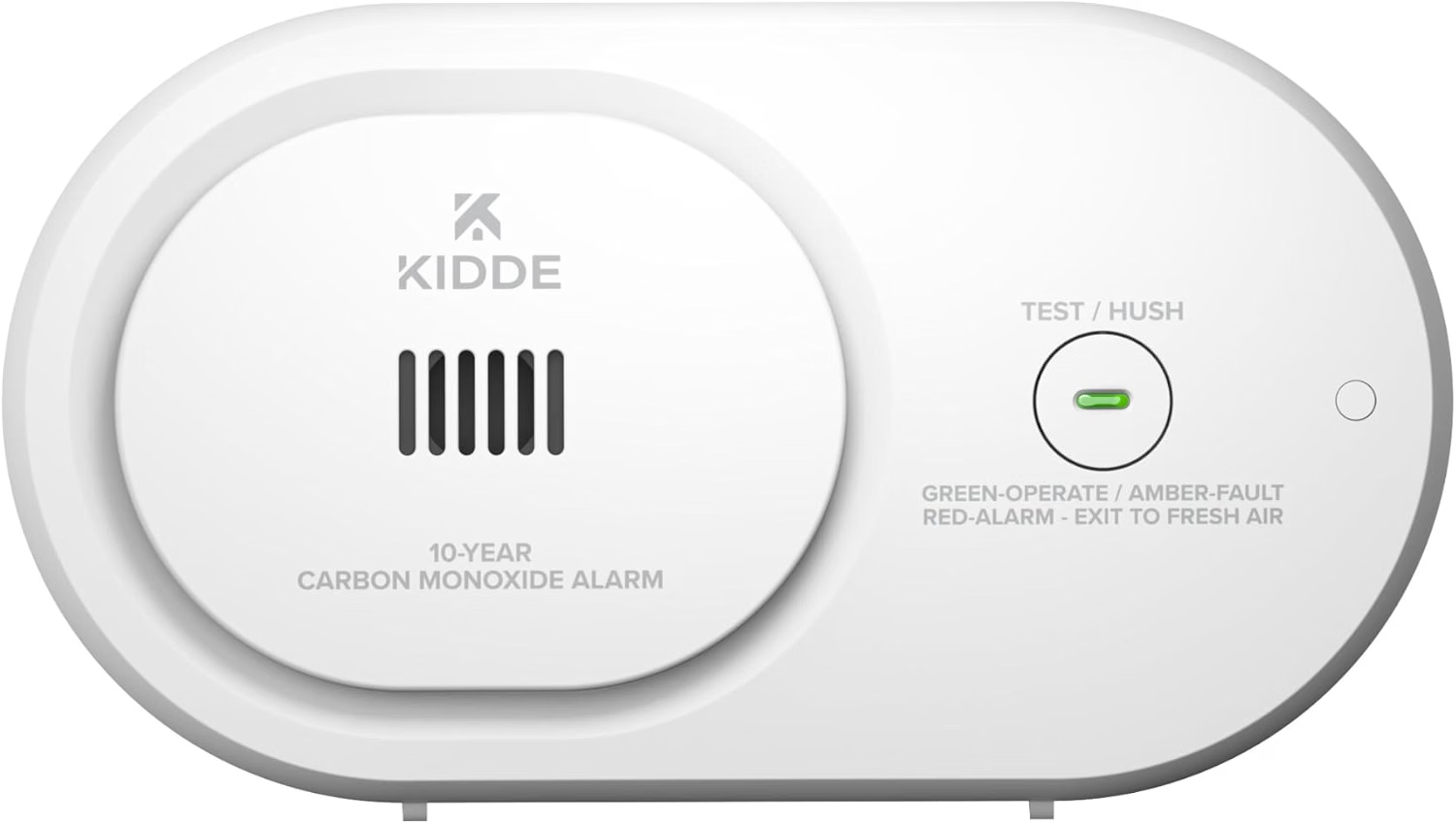
A dedicated carbon monoxide alarm helps monitor a dangerous gas that cannot be reliably detected by smell. The Kidde COB10 uses a sealed 10-year battery; it does not replace a smoke alarm. Install and maintain alarms as directed by the manufacturer and local requirements. If a CO alarm sounds, move everyone to fresh outdoor air and contact emergency services. Kidde model details.
Kitchen and warmth readiness checks
Have three days of food that can be eaten without heating or extra water.
If using an outdoor stove, store compatible fuel safely and plan a lawful outdoor location away from openings.
Test smoke and carbon monoxide alarms and know where your extinguishers are.
Put blankets, cold-weather layers, and insulated bedding where everyone can reach them.
Make a relocation plan if temperatures become unsafe or medical equipment cannot be powered reliably.
6. Make a Sanitation Plan for a Water Outage
If sewer service or water pressure fails, normal bathroom habits can become a major problem. A two-week bug-in plan should account for hand hygiene, toilet waste, household trash, dishwashing, and clean-versus-dirty water handling. A case of paper towels is not a sanitation system by itself.
Keep a practical supply of toilet paper, soap, hand sanitizer, disposable cleaning gloves, strong trash bags, wipes, and household cleaning supplies. If your circumstances require a portable toilet or lined bucket system, plan for compatible waste bags, absorbent material, containment, and disposal according to local guidance. Never improvise disposal into a compromised drain system; follow emergency or utility instructions when sewage infrastructure is affected.
A portable toilet kit with compatible disposable bags and absorbent gel can provide a temporary sanitation option if household plumbing is unusable. Review the included bag count, plan for additional bags and handwashing supplies, and follow local directions for safe waste storage and disposal. Do not use the kit as justification to remain in an unsafe or sewage-contaminated building.
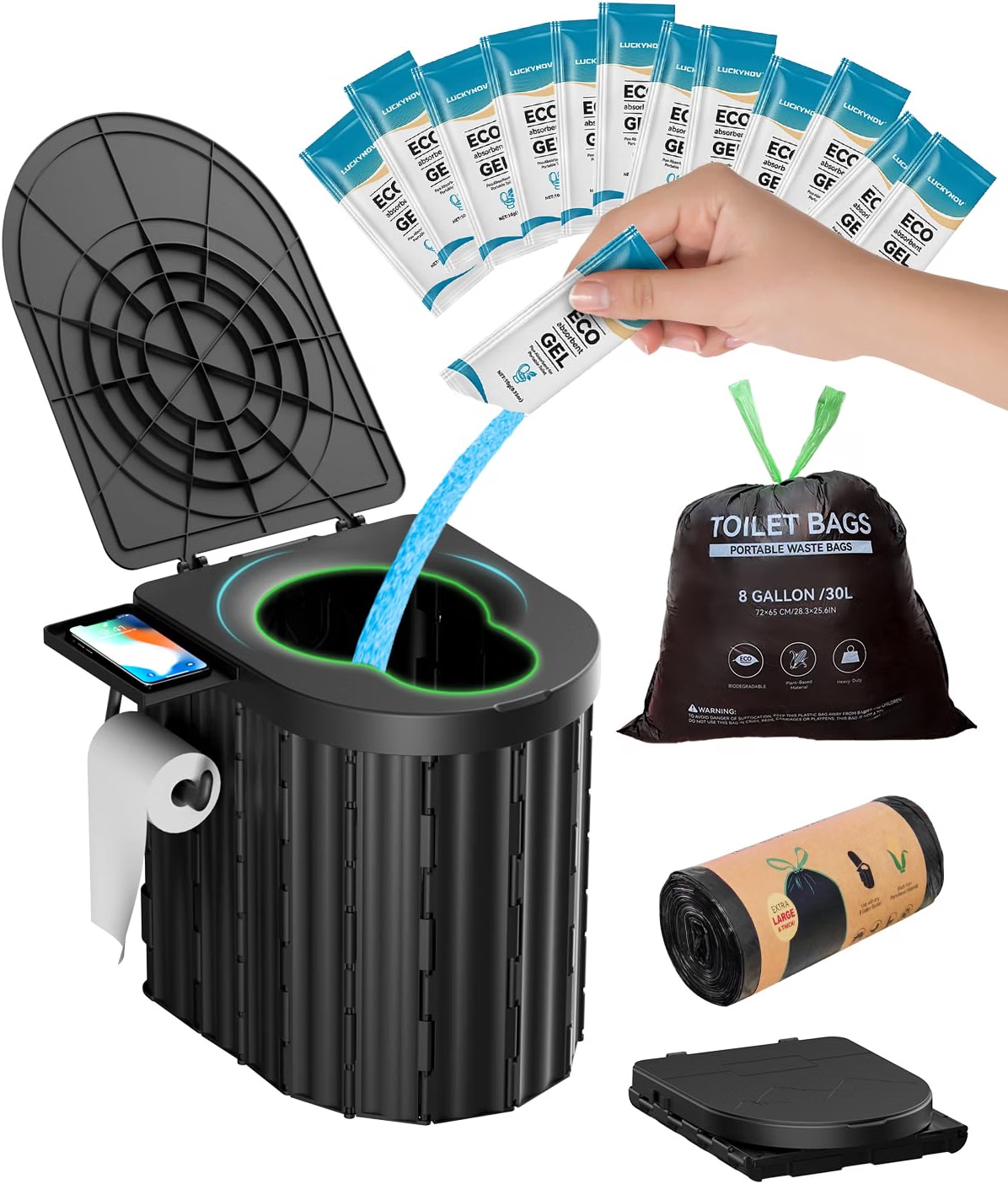
Separate clearly labeled drinking-water containers from water that is set aside for washing or other non-drinking uses. Use approved disinfectants only as directed on their labels. Have a way to wash hands with safe water when possible, particularly before food handling and after bathroom use. Pets, infants, and people with mobility limitations can substantially change the volume and types of supplies needed.
A basic hygiene station
Choose a stable location with soap, a safe clean-water source, a catch basin if appropriate, paper towels or clean cloths, and a waste bin. Practice using it before a real outage. If your backup handwashing plan consumes drinking-water storage, include that amount when calculating the water reserve rather than assuming your fifty-six gallons cover every task.
7. Maintain First Aid, Prescriptions, and Medical Continuity
Store an accessible household first-aid kit containing practical supplies for minor injuries. A compact kit can include dressings, gauze, medical tape, gloves, a thermometer, and a current first-aid reference. Consider training from the Red Cross or another recognized provider to build the skills that equipment alone cannot provide.
Advanced bleeding-control products such as tourniquets and hemostatic dressings require appropriate training and reliable products. Do not buy them just to fill a checklist or assume that reading an article substitutes for a class. For urgent or severe injuries, contact emergency services.
Check which prescriptions, supplies, and powered equipment household members depend on. Keep a current medication and allergy list, and discuss safe emergency refill options with prescribers and pharmacists. Some supplies require refrigeration, a specific device, or ongoing access to care; a generic camping power bank may not meet those needs.
The Adventure Medical Kits Sportsman 100 is one portable first-aid kit we've previously featured; it can serve as a supplement, not a substitute for the specific supplies and training your family needs.
Family-specific additions
Include diapers, infant-feeding supplies, personal hygiene products, glasses, hearing-aid batteries, mobility equipment spares, pet medications, and other essential items that apply to your household. Use a list written for the people who actually live in your home, not a generic one-size-fits-all shopping cart.
8. Prepare Tools, Documents, and a Safer Home
A basic household repair kit can address small problems after a storm: flashlights, work gloves, sturdy footwear, a screwdriver, adjustable wrench, pliers, tape, and a few compatible fasteners. Learn where your water shutoff is, how to shut down a device safely, and which tasks are beyond your knowledge. Never enter standing water near electrical equipment or attempt utility repairs that require qualified workers.
Keep copies of key documents in a water-resistant, portable place: identification, insurance, household contacts, essential medical information, and property records. Store digital copies securely and have a way to access critical details when your phone or internet is down. Small-bill emergency cash can also help when payment networks are offline, but the amount should fit your budget.
Secure doors and windows, maintain smoke and CO alarms, and protect exit routes. Preparedness should not create new hazards: do not block doors with storage totes, keep fuel away from occupied living areas, and do not let heavy supplies fall from unstable shelves.
9. Build a Simple Household Inventory You Will Actually Maintain
The perfect checklist is worthless when your equipment is missing, discharged, expired, or buried behind holiday decorations. A useful inventory records what an item is, how much you have, where it is, whether it works, and when to review it.
Category | Essential inventory question | Suggested proof of readiness |
|---|---|---|
Water | How many safe, usable gallons are filled? | Container counts, fill dates and seals |
Food | Can you prepare 14 days of realistic meals? | Menu and counted servings |
Lighting | Can every household member find a working light? | Brief monthly test |
Communications | Will the radio receive local updates? | Tested tuning, frequencies and batteries |
Power | How long can priority devices operate? | Device list, wattage notes and charged batteries |
Medical | Are required supplies present and current? | Updated inventory and appropriate contacts |
Hygiene | Can the household use a bathroom if water stops? | Tested supplies and disposal plan |
Evacuation | Is the portable kit ready if the house becomes unsafe? | Packed go-kit and written destination plan |
Keep the inventory near the storage area and set a recurring inspection calendar. If you add a new appliance, update its fuel, battery, or spare-parts plan. If your family changes, update supplies and quantities. A quarterly review is a practical routine, but some foods, water containers, medicines, and devices need shorter or manufacturer-specific intervals.
Your First 24 Hours of a Home Utility Emergency
During the first hour, determine whether the building is safe, check official alerts, contact family members, identify medical or heating/cooling risks, and locate flashlights. Don't rush to start a generator or outdoor stove. If authorities instruct you to evacuate, follow that instruction.
In the next few hours, preserve refrigerator and freezer temperatures by keeping doors closed. Inventory immediately accessible safe water, food, medicines, charging capacity, and sanitation supplies. Use a dry-erase board or paper sheet to record what is available and note information from official utility updates.
By the end of the first day, agree on a conservative food-and-water-use plan. Assign clear responsibilities, arrange safe sleeping and room temperatures, and review whether conditions are improving or getting worse. Maintaining a calm household routine is more helpful than frequently moving gear between rooms or experimenting with equipment.
Over the following days, track remaining supplies, reassess household health needs, check local instructions, and keep an evacuation option open. If potable water or a crucial medication is becoming unavailable, plan to relocate or seek help before the supply is exhausted.
The 30-Minute Bug-In Readiness Audit
Try this audit as a family rather than just reading it:
Locate your home water shutoff and two filled drinking-water containers.
Find a working light without using a phone flashlight.
Turn on the radio and identify an actual local source of updates.
Write down three meals you could make without electricity.
Find the first-aid kit, medication list, spare keys, and document pouch.
Check whether one phone can be charged without a working wall outlet.
Confirm that smoke and carbon monoxide alarms are working.
Identify the safest available exit and your portable go-kit location.
If someone cannot complete a check, fix that gap before buying another gadget. A family that can use its supplies is better prepared than a household with a closet of unopened products.
Bug-In Home Checklist FAQ
How many days should I prepare to stay at home?
Start with a minimum three-day supply and build toward fourteen days of water and nonperishable food, as the American Red Cross recommends for home emergencies. Your local hazards, household needs, finances, and actual storage space may justify a different plan. Always maintain a way to evacuate.
How much water does a family of four need for two weeks?
At least fifty-six gallons is the one-gallon-per-person-per-day baseline for fourteen days, before adding allowances for pets, cooking, heat, and individual needs. See our dedicated fifty-six-gallon water storage plan.
Do I need a generator to bug in?
No. You may be able to cover essential lighting, communication, and small-device charging with batteries and a power bank. A generator or large power station may help with higher loads but needs a specific runtime calculation, safe operating procedures, and an appropriate location. Never operate a fuel-powered generator indoors.
What's the most important thing to buy first?
It depends on the gap. For a household with no drinking-water reserve, safe water is a stronger initial purchase than a large power station. If a medical device requires electricity, approved backup power and an alternative care plan may take priority. Start with the most serious unmet need, not the most expensive gear.
Is a bug-in kit different from a bug-out bag?
Yes. A bug-in supply supports a household where it is safe to remain; a bug-out bag is portable and supports an evacuation. They overlap in water, food, medicine, light, documents, and communication, but weight, capacity, and purpose differ. Keep both plans functional.
Should I buy every item on an online prepper checklist?
No. Essentials depend on who lives in the household, the hazards you face, your skills, and your budget. Sort items into needed now, useful later, and situation-specific. Specialized tools, weapons, and medical gear are not substitutes for training or an actual household plan.
Final Take: A Ready Household Has a Plan, Not Just a Stockpile
The best bug-in home checklist is the one your household can use under stress. Make the first three days easy: safe water, ready-to-eat food, working lights, communications, medicine, and a clear bathroom plan. Then scale those same systems toward fourteen days without pretending every emergency can be solved by staying home.
Use our 72-hour emergency kit guide for portable essentials, the two-week emergency food supply for meal planning, and the emergency water storage guide for container choices and quantities. Build the system once, maintain it routinely, and be ready to change plans when officials or conditions tell you to.
Public safety references: American Red Cross disaster supplies; CDC emergency water storage; FDA outage food safety; CDC generator safety. The household organization and inventory framework are original editorial synthesis informed by practical household checklists.
This post may contain affiliate links. We may earn a commission when you purchase through links on this site at no additional cost to you.


