
This article contains affiliate links. We may earn a commission from qualifying purchases.
As an Amazon Associate I earn from qualifying purchases.
A 72-hour emergency kit should help you function when the electricity goes out, the water stops running, severe weather interrupts services, or you need to leave home quickly. The goal is not a closet full of survival gadgets. It is a realistic plan with enough drinking water, food, personal medication, reliable communication, light, basic first aid, and supplies that fit your family.
This guide gives you a complete, practical checklist; explains why a home supply and a portable go-bag serve different purposes; and walks through ten specific emergency gear examples. We have not personally field-tested these ten products. Recommendations reflect functional suitability and published product information, not claims of independent testing or guaranteed performance.
Disclosure: As an Amazon Associate, The All Guy earns from qualifying purchases. This article includes affiliate links to the products discussed.
The 72-Hour Emergency Kit: What Actually Matters
Start with the supplies necessary for drinking, eating, staying informed, dealing with common injuries, and leaving safely if local officials advise evacuation. For a three-day baseline, FEMA recommends at least one gallon of water per person per day for drinking and sanitation, plus a three-day supply of nonperishable food. The American Red Cross recommends three days of supplies for evacuation and two weeks for sheltering at home.
See the official American Red Cross emergency kit checklist and FEMA basic emergency supply checklist for the full context.
Home Emergency Kit vs. Bug-Out Bag: Build Both
A key planning distinction is weight. One gallon of water weighs approximately 8.3 pounds, so three gallons for one adult weigh roughly 25 pounds before you add containers, food, or gear. For a family, carrying the recommended three-day water supply on your back generally makes little sense. Bulk water belongs in home storage or in a suitable vehicle evacuation plan.
Kit type | Primary purpose | What to prioritize |
|---|---|---|
Stay-at-home supplies | Manage power, water, or store disruptions | Bulk water, meals, sanitation supplies, medicine, lanterns, radio, chargers |
Personal go-bag | Leave quickly with critical items | ID copies, cash, contacts, portable water, food, essential medication, clothing, small light |
Vehicle emergency kit | Handle a roadside delay or evacuation | Seasonal layers, first aid, communications, appropriate water, roadside gear |
A backpack is just one container choice. You may prefer a wheeled bag, labeled tote, or individual smaller packs. Everyone should be able to carry their own supplies safely, or have an explicit plan for assistance.
Complete 72-Hour Emergency Kit Checklist
1. Drinking Water and Sanitation
Store at least one gallon of water per person per day for a three-day minimum, with additional water for heat, pets, infants, or medical requirements.
Use food-safe, clean containers and label them; follow the storage and rotation instructions appropriate for the source and container.
Pack toilet paper, soap, hand sanitizer, wipes, menstrual supplies, trash bags, and a plan for failed plumbing.
Keep a small portable water supply in evacuation bags, but do not count on a filter as your only water plan.
2. Food and Nutrition
Pack at least three days of shelf-stable food per person, sized for realistic calorie needs and dietary restrictions.
Prioritize ready-to-eat food when electricity, fuel, refrigeration, or clean cooking water might be unavailable.
Add a manual can opener if needed and account for infant formula, child-safe foods, allergies, and pet food.
Review ingredients, expiry information, and serving sizes rather than assuming a package marked '72 hours' will feed everyone.
3. First Aid and Medical Needs
Keep a stocked first-aid kit and learn how to use it before an emergency.
Maintain necessary prescriptions, medication information, medical devices, glasses, and other health essentials.
Plan for medication storage requirements, refill limitations, medical power needs, and anyone needing ongoing care.
Include relevant contacts and medical information in a protected, easy-to-find format.
4. Light, Weather Alerts, and Charging
Include a reliable flashlight or headlamp per person where practical, plus a lantern for shared areas.
Have a weather radio or other dependable backup alert source and test your local reception.
Keep spare batteries, compatible charging cables, a charged power bank, and a paper family contact list.
Use battery-powered lighting where possible. Never use fuel-burning generators, grills, or camping stoves indoors or in attached garages.
5. Shelter, Clothing, Tools, and Records
Pack weather-appropriate layers, sturdy shoes, socks, rain protection, and blankets or additional bedding.
Have emergency contact numbers, meeting locations, maps, and copies of vital documents.
Keep small amounts of cash, spare keys where appropriate, work gloves, and basic repair tools.
Customize the bag for children, older adults, disabilities, pets, and each season.
Ten Practical Gear Examples for a 72-Hour Emergency Kit
These products can fill specific roles, but no product below makes a complete emergency plan by itself. Several are optional upgrades; water, medication, and basic food should come first. Prices and product variations change, so confirm the exact listing before ordering.
1. 5.11 RUSH24 2.0 Backpack, 37L
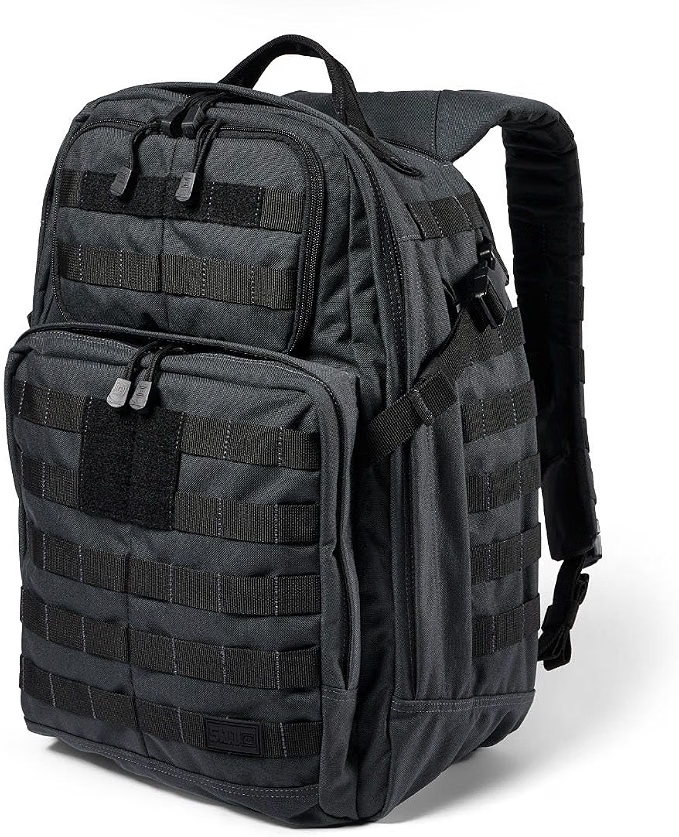
Why it belongs on the list: A structured evacuation backpack can organize clothing, compact food, documents, medication, and communication gear for one person. The RUSH24 is a 37-liter option for those who prefer durable compartments rather than one open bag.
Limitations: A 37-liter bag does not magically hold a family's water supply. Fully loaded tactical bags can be heavy, especially for children or anyone with mobility limitations. An ordinary daypack or a rolling bag may be more appropriate.
What to check: Test fit and comfort; weigh the loaded bag; make sure you can find its contents in the dark.
2. Reliance Aqua-Tainer 7-Gallon Rigid Water Container
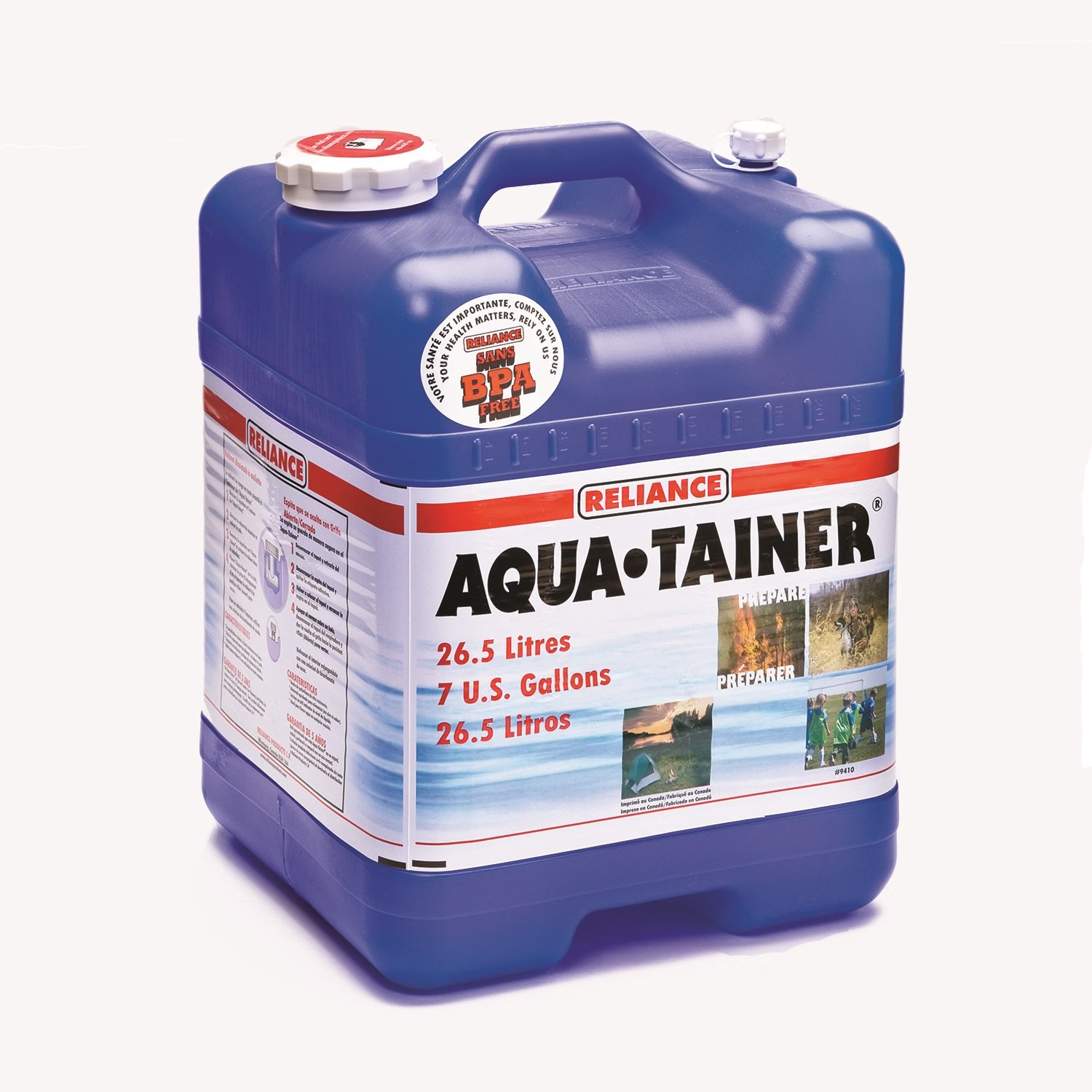
Why it belongs on the list: Bulk water storage is a first priority for home emergencies. A rigid seven-gallon container lets you set aside drinking and sanitation water instead of depending on tap service.
Limitations: Seven gallons are not enough for a larger family for three days. A filled container is heavy, and this belongs in home storage or a vehicle-oriented plan, not inside a walking go-bag.
What to check: Follow the container's cleaning and storage directions, keep it in a suitable location, and label it clearly.
3. Sawyer Squeeze SP129 Water Filter System
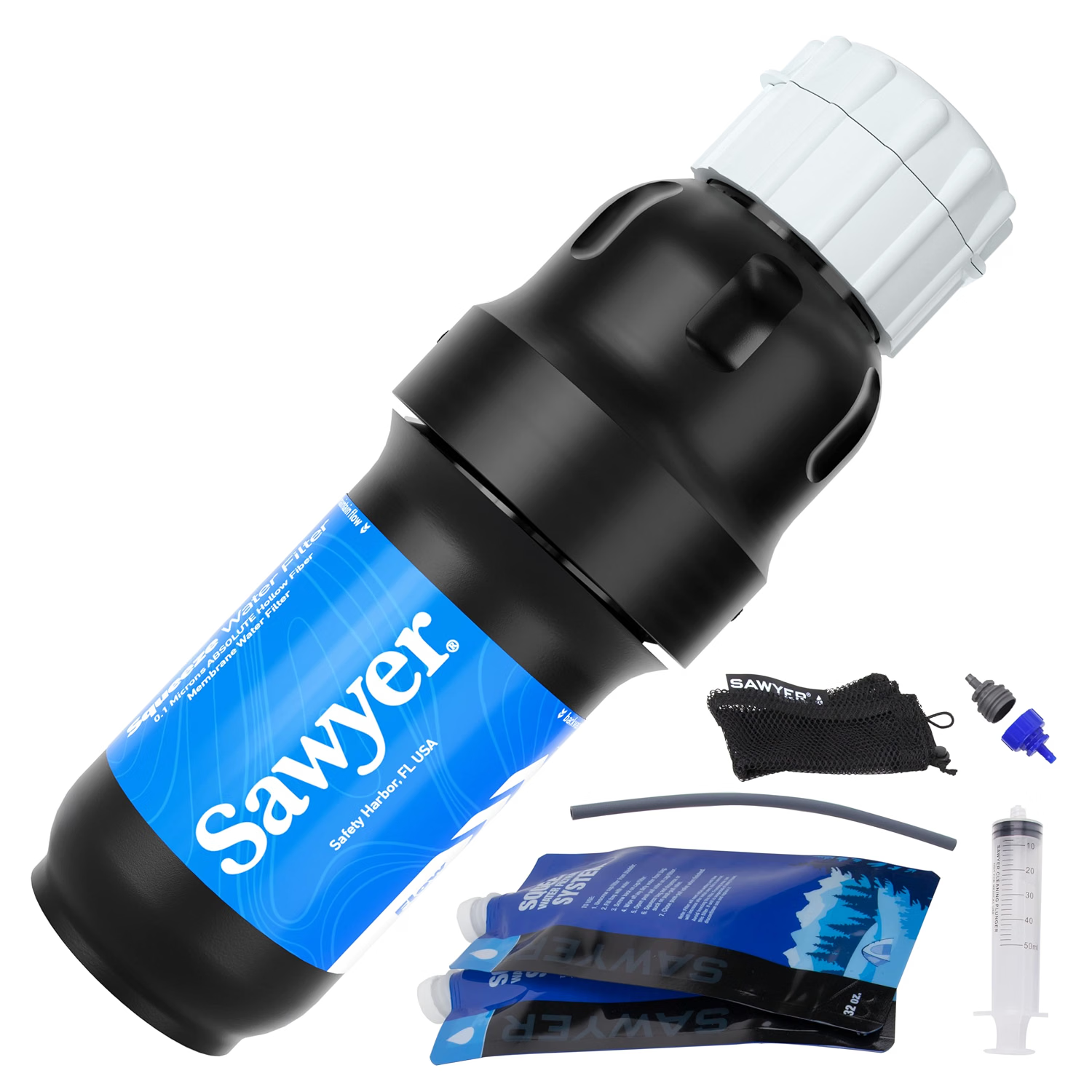
Why it belongs on the list: A compact backup filter can help with suitable freshwater sources when safe stored water is not available. Sawyer lists reduction of bacteria and protozoa with this product.
Limitations: The Sawyer Squeeze is not a virus-removal system and does not turn chemically contaminated floodwater into safe drinking water. Freezing after the filter has been used may damage it.
What to check: Learn the maker's backflush instructions and pair it with a realistic source-water safety plan.
4. Datrex 3,600-Calorie Emergency Food Bars
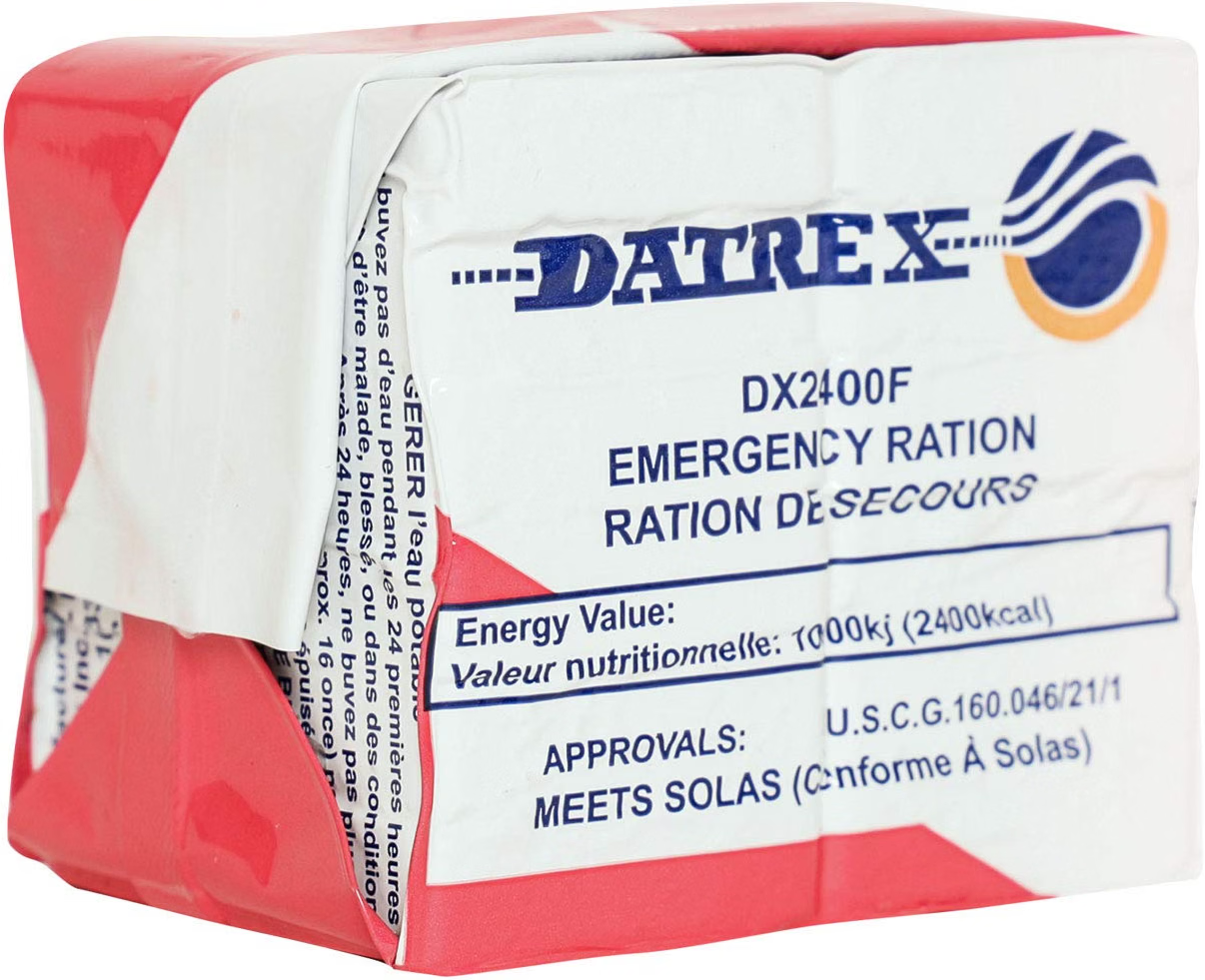
Why it belongs on the list: A compact source of shelf-stable calories is useful in a vehicle kit or go-bag where cooking is not an option.
Limitations: The package provides 3,600 calories total, not 3,600 per day. Divided across three days, that is only 1,200 calories per day for one person; it does not replace a balanced eating plan or feed a whole family.
What to check: Check allergens, labeling, storage conditions, expiration date, and enough total calories for each person.
5. Adventure Medical Kits Sportsman Series 100
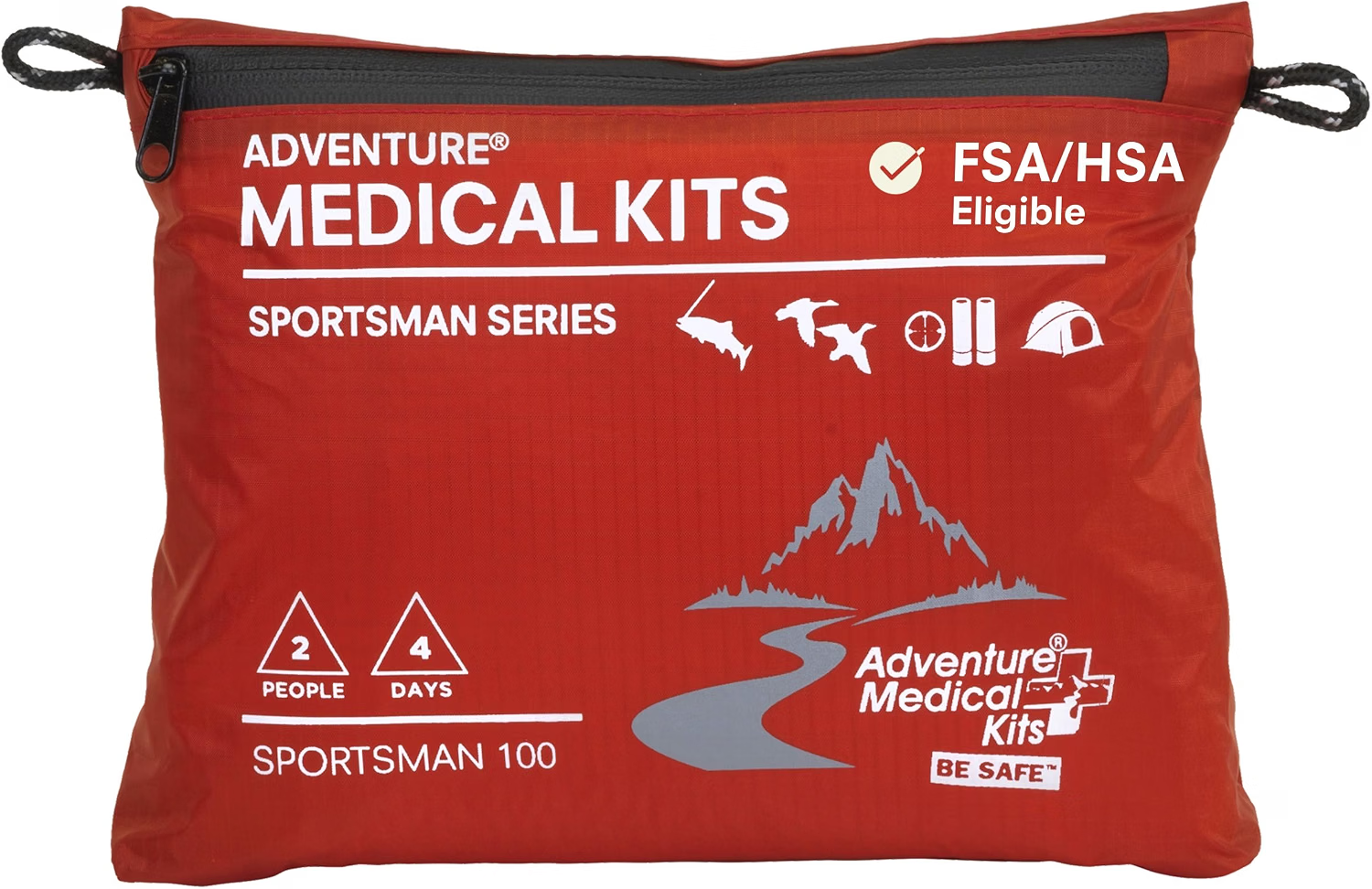
Why it belongs on the list: A portable first-aid kit is a sensible foundation for ordinary cuts, blisters, and minor injuries, whether the disruption happens at home or away.
Limitations: A premade kit does not include everyone's individual prescription medications or medical equipment. Training, medication plans, and access to emergency services matter more than the label on the bag.
What to check: Inventory contents, replace expired supplies, and consider basic first-aid and CPR training.
6. Emergency Crank Weather Radio
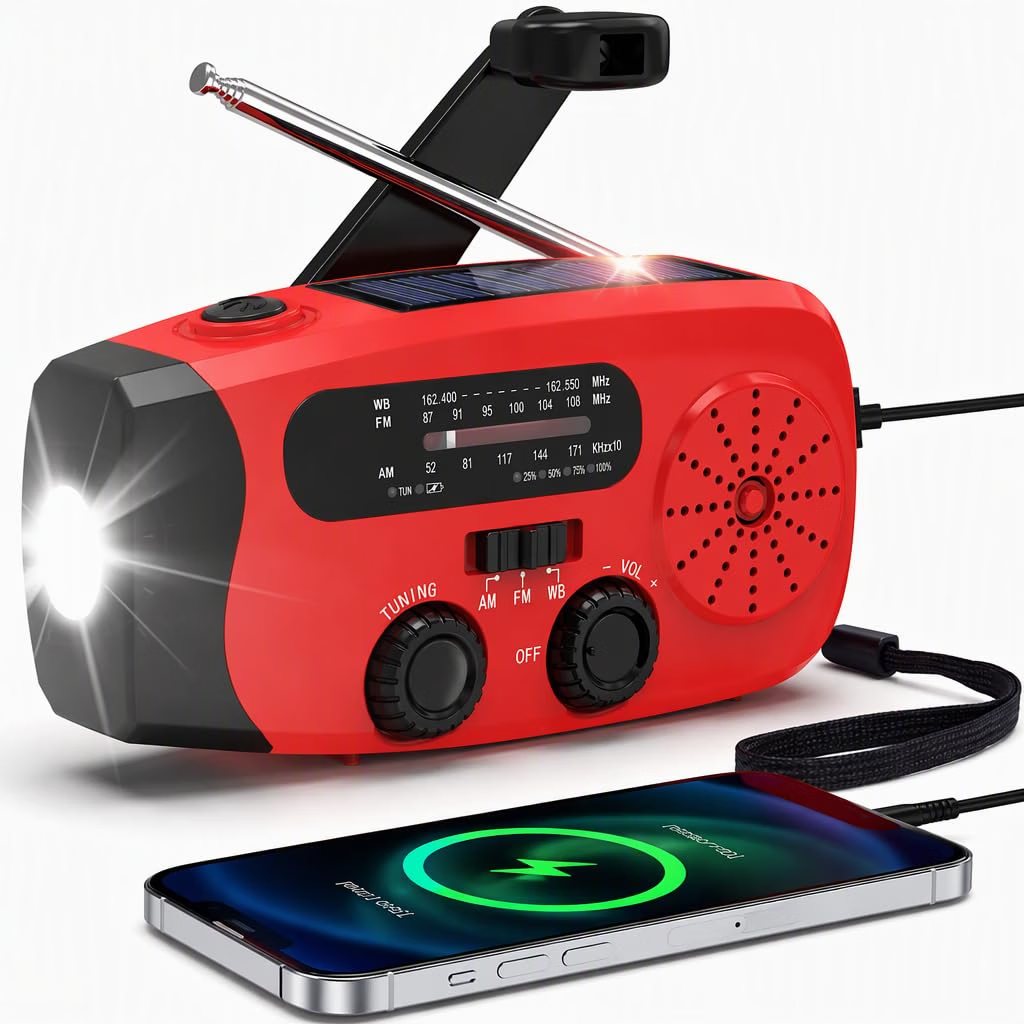
Why it belongs on the list: A hand-crank or battery-powered radio can provide backup information when your phone or home internet isn't working.
Limitations: This marketplace listing does not establish a verified manufacturer, weather-alert certification, or battery performance. Do not assume a radio provides automatic NOAA alerting unless the selected version says so.
What to check: Confirm reception on your local stations, test the available power methods, and add any necessary batteries or charging cables.
7. Streamlight Siege Battery-Powered Lantern
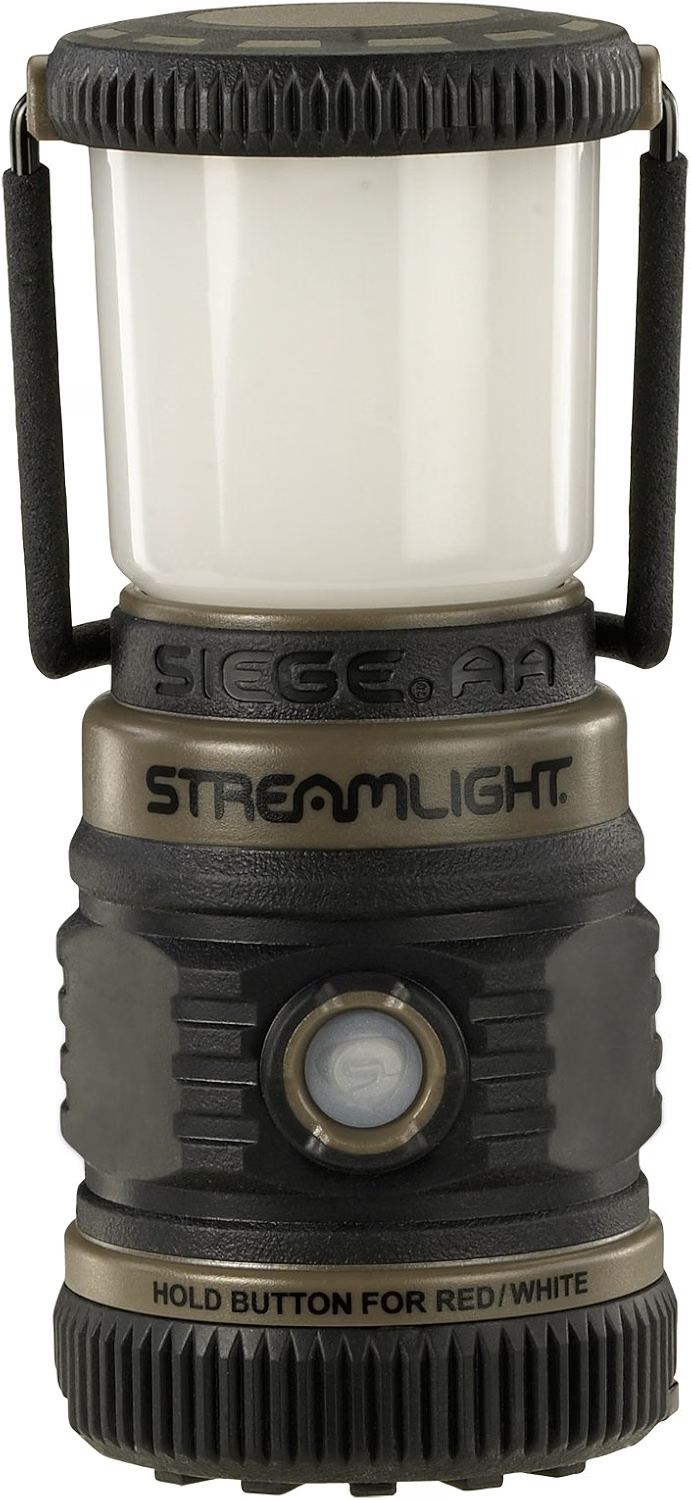
Why it belongs on the list: Area lighting lets a family find supplies, move around a room, or prepare food during an outage without relying on candles.
Limitations: An area lantern is less suited than a headlamp for directional or hands-free work while moving. Runtime depends on settings and battery condition.
What to check: Verify your model's battery requirements and test the lantern ahead of time; keep spare batteries and a separate flashlight.
8. Anker 25,000mAh Power Bank, 165W Total Output
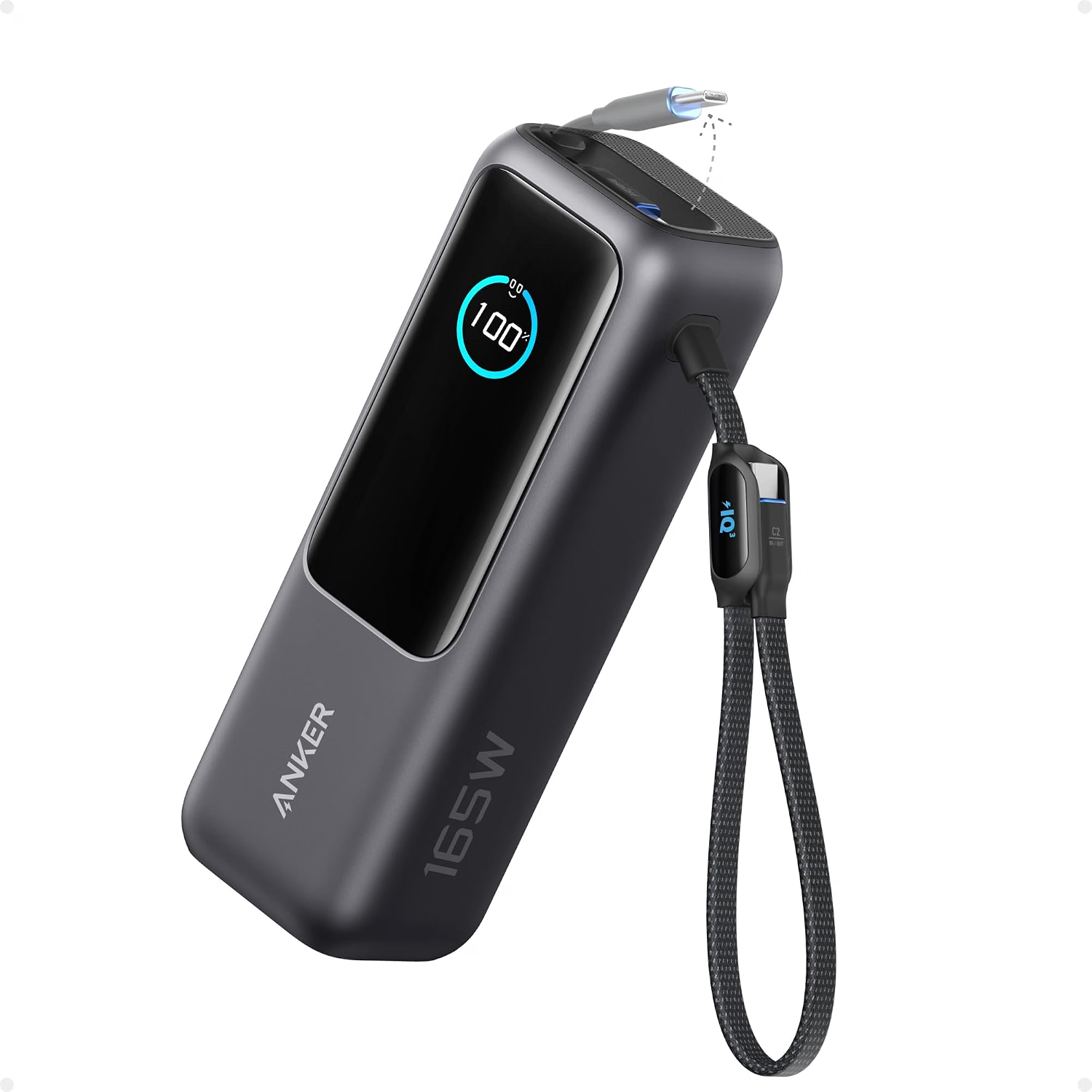
Why it belongs on the list: An already-charged power bank is useful for phones, compatible lights, and devices that help with emergency communication.
Limitations: Battery capacity in mAh is not the same as the exact charge energy delivered to your phone, because conversion losses apply. The 165W rating is a combined output specification, not a runtime promise.
What to check: Confirm cable and device compatibility and recharge it regularly before peak storm or travel seasons.
9. Heat-Reflective Emergency Bivvy with Rescue Whistle
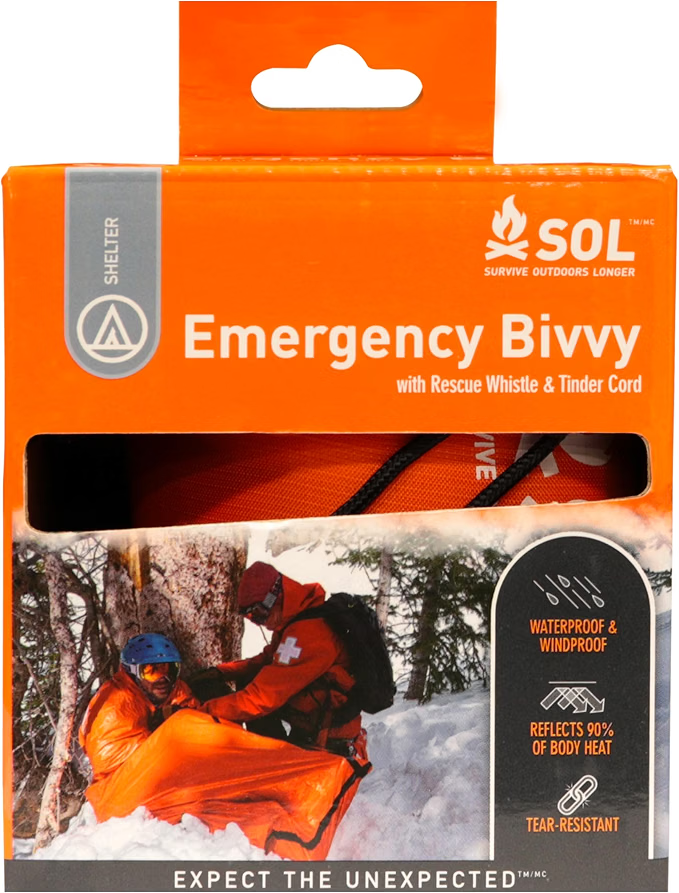
Why it belongs on the list: A lightweight, compact emergency bivvy provides an additional barrier against wind and moisture in an unplanned outdoor stop.
Limitations: The linked item is not confirmed to be a SOL-branded product despite the image filename. Reflective emergency material is not a substitute for a warm sleeping bag, dry clothing, or proper shelter in dangerous cold.
What to check: Confirm fit, ventilation guidance, construction, and the included signaling whistle.
10. Leatherman Signal Multi-Tool
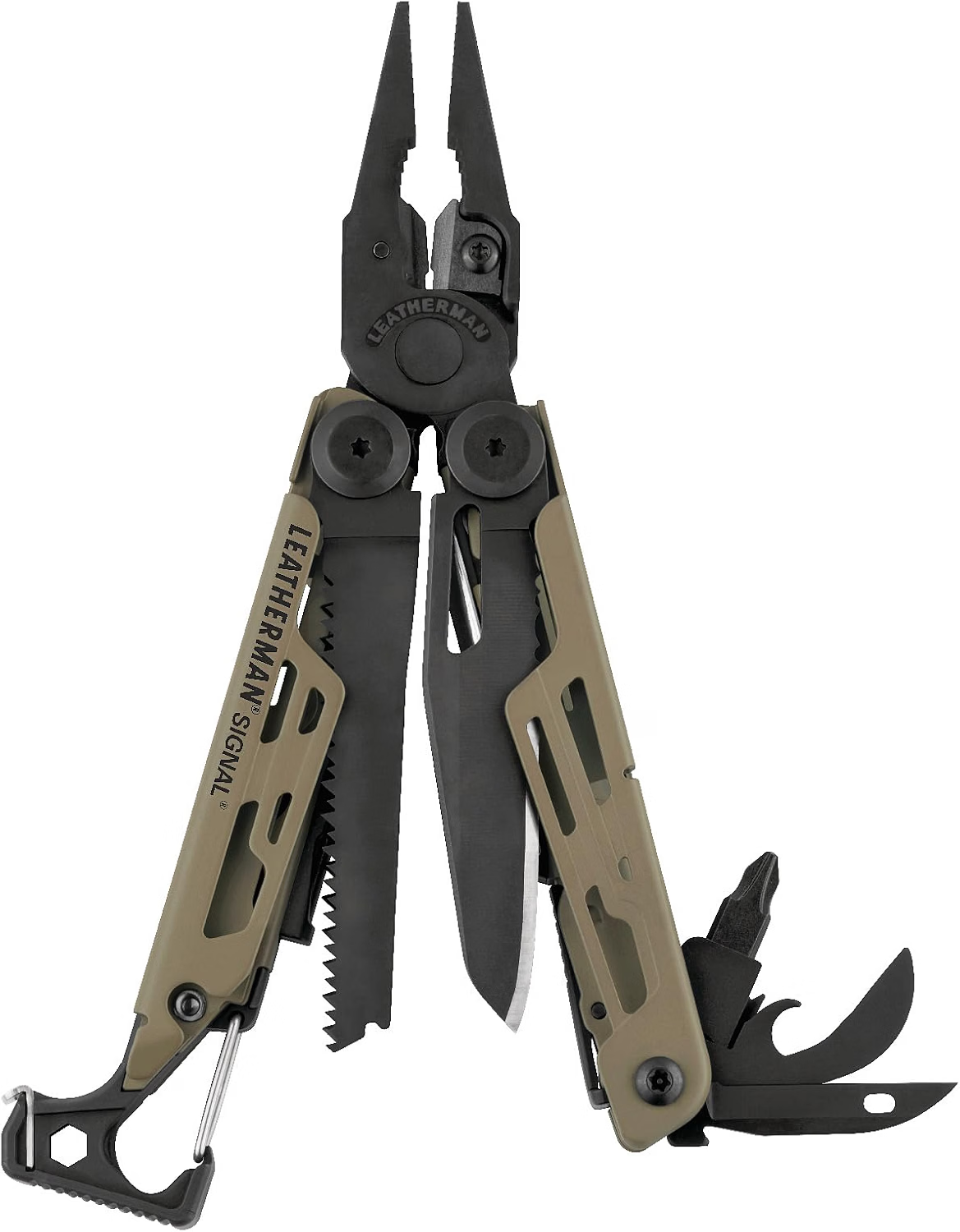
Why it belongs on the list: A multi-tool can help with minor repairs, opening packaging, and simple tasks when a toolbox is not available.
Limitations: It is a convenience item, not a higher priority than drinking water or essential medication. Any folding tool must be handled responsibly and complies with applicable restrictions.
What to check: Practice safe use and make sure you need the included tools rather than paying for features you will never use.
Water Safety: Why a Filter Is Not a Substitute for Stored Water
Clean stored water remains the most dependable starting point. According to the manufacturer, Sawyer Squeeze filters are designed to reduce bacteria and protozoa but do not remove viruses. Floodwater and chemically contaminated water may remain unsafe even after basic filtering. If fuel, pesticides, or other toxic chemicals are suspected, use bottled or otherwise verified safe water and follow official health advisories.
For treatment guidance, see the CDC's emergency water advice, CDC guidance on portable filters, and Sawyer's product information.
How Much Emergency Food Is Enough?
Three days of food means enough for each person, not just a product that claims to last 'three days.' For example, a 3,600-calorie emergency bar package divided across three days is about 1,200 calories daily for one person. That is inadequate for many adults, especially during physically demanding emergencies, and it is not a balanced food plan. Read the total calorie count, household needs, allergies, and any cooking requirements.
Supplement compact rations with foods you actually eat: ready-to-eat canned items, appropriate nut butters, crackers, shelf-stable meals, and snacks that can be eaten without electricity. Choose products you can rotate into daily use, rather than abandoning unfamiliar food on a shelf for years.
How to Build the Kit Without Overspending
Stage 1: Cover essentials already at home
Begin with safe drinking water, food that keeps without refrigeration, essential medications, a flashlight, personal hygiene supplies, and a written emergency contact plan. If these are not covered, a high-end backpack and a multitool should not be your first purchases.
Stage 2: Make the supply portable and redundant
Set aside a manageable go-bag with identification copies, a small water supply, no-cook food, medicines, layers, a basic light, and charging. Keep extra water and food in accessible containers at home. Add a weather radio and multiple ways to reach important contacts.
Stage 3: Practice the plan
Try finding your kit in the dark. Weigh the go-bag. Check whether every person knows the meeting location. Test the radio, lantern, flashlight, and charger. Walk through your safest routes. Fix the gaps revealed by the practice, rather than buying unrelated gear.
Customize the Kit for Your Family and Environment
Children and infants: include diapers, wipes, age-appropriate food, comfort objects, and safe feeding supplies.
Older adults and disability needs: plan for mobility support, assistive devices, medication, accessibility, and power-dependent equipment.
Pets: include food, a water allowance, leashes or carriers, identification, medications, and records.
Winter: add appropriate layers and blankets, but never improvise unsafe indoor heating or ventilation.
Vehicle travel: keep an additional roadside kit suited to weather and driving conditions; our Truck Gear & Overlanding guides cover related equipment.
For vehicle equipment and off-grid travel, read The All Guy's Truck Gear & Overlanding hub and portable power guides.
Seven Mistakes That Make an Emergency Kit Less Useful
Buying an expensive bag before securing food, water, and vital medications.
Assuming a 37-liter backpack can carry a family's full three-day water supply.
Trusting a backpacking water filter with unknown chemical or viral contamination.
Ignoring daily calories and assuming one compact ration package covers multiple adults.
Leaving radios, lanterns, and power banks untested or uncharged.
Storing supplies where heat, moisture, pets, or children can damage them.
Failing to plan for communication, mobility needs, and evacuation responsibilities.
When to Inspect and Replace Emergency Supplies
Frequency | Quick maintenance task |
|---|---|
Monthly | Check battery charge, flashlight function, and obvious damage or leaks. |
Every 6 months | Review food and water labels, medications, battery condition, clothing sizes, pet needs, and documents. |
After use | Replace depleted or damaged items before restoring the kit to storage. |
After family or location changes | Update contacts, medical requirements, evacuation routes, and quantity calculations. |
Frequently Asked Questions
What is the most important item in a 72-hour kit?
Start with safe water and any essential medications, then sufficient food, a reliable way to get alerts, lighting, and a plan for the people relying on you. The priority varies with local risks and medical needs.
Is a 72-hour bug-out bag the same as a home emergency kit?
No. A go-bag focuses on manageable weight and fast departure. A home kit holds bulk water, food, sanitation supplies, and larger or heavier essentials. Most households benefit from both.
Is one seven-gallon water jug enough for a family?
Not for most families. Based on one gallon per person per day, even one four-person household needs at least twelve gallons for three days, before extra needs. Use multiple safe storage containers suited to your space.
Can a Sawyer Squeeze make floodwater safe?
Do not assume so. It does not reliably remove viruses or fuel and chemical contaminants. Use verified safe sources and follow CDC and local health guidance about water advisories.
Do I need a dedicated tactical backpack?
No. A comfortable regular backpack, labeled tote, duffel, or other suitable bag is fine if the intended user can manage it and find the supplies. Focus on function and weight.
How often should I review my kit?
Check lights and charge levels periodically, and review food, water, and medications at least twice each year. Always follow the specific item's replacement guidance.
Next Guides in Our New Prepping Section
Expand your plan with Bug-Out Bags, Water Storage & Filtration, Emergency Communications, and Family Emergency Plans. Find every category at The All Guy's Preparedness & Survival hub.
The final test of a 72-hour kit is simple: can the people in your household actually use it when plans change? A modest kit you know and maintain is more valuable than expensive gear you never practice with.
This post may contain affiliate links. We may earn a commission when you purchase through links on this site at no additional cost to you.


