
This article contains affiliate links. We may earn a commission from qualifying purchases.
As an Amazon Associate I earn from qualifying purchases.
A dead battery is annoying in a parking lot. It becomes an entirely different problem on an isolated winter road with fading daylight, freezing temperatures, and spotty cell coverage. A winter emergency car kit should help you handle a minor roadside problem, stay visible, communicate your location, and remain safer until professional help arrives. It should not tempt you to attempt dangerous recoveries or drive into a storm that should be avoided.
This 2026 guide covers 25 practical winter car kit essentials, how to choose supplies for different driving conditions, where to store them, and what to do if snow or ice strands you. It draws on federal winter-driving recommendations and a practical vehicle-readiness inventory, but prioritizes real-world usefulness over collecting survival gadgets.
Quick answer: Check your vehicle first. Then pack a tire-and-battery recovery group, a roadside visibility group, warmth and food, communications, and a written emergency plan. At minimum, carry a charged phone, proper charger, flashlight, warning equipment, blankets, water, snacks, and the tools needed for your own vehicle. Add a shovel, winter traction aids, and deeper reserves for snow country.
Affiliate disclosure: As an Amazon Associate, The All Guy earns from qualifying purchases. Product examples are selected from published features and practical use cases; they are not claims of personal winter-road testing.
Start Here: A Kit Cannot Fix an Unsafe Vehicle
The most effective winter kit starts before you drive. The National Highway Traffic Safety Administration (NHTSA) recommends checking tires, batteries, lights, windshield wipers, cooling systems, and other key components before winter trips. NHTSA winter driving tips.
Check tire tread condition and correct cold tire pressure against the placard in the driver's door area, not the maximum on a tire's sidewall. Inspect your spare tire or manufacturer-supplied mobility kit and find the jack points in your owner's manual. Check your battery, wipers, washer fluid rated for likely freezing temperatures, heater, defroster, and lamps. A low tire, worn tread, or failing battery cannot be fully compensated for by equipment in the trunk.
Before a long winter drive, look up forecast and road-closure information from your state's transportation department and the National Weather Service. Tell someone your intended route and arrival window. If authorities advise against travel, postpone nonessential travel. The best emergency plan sometimes is not leaving.
Build the Right Kit: Everyday, Winter, or Remote Travel
Not every driver needs the same amount of gear. A short commute through plowed city streets is different from crossing a mountain pass where help may be delayed. Use the tiers below to decide how far to go beyond the essentials.
Driving situation | Your focus | Add beyond everyday basics |
|---|---|---|
Everyday commute | Contact help, stay visible, address small issues | Charged phone, light, first aid, charging, warning marker, spare tire tools |
Regular snow and ice | Maintain warmth, clear the vehicle, assist minor traction problems | Scraper, shovel, warm clothing, blanket, approved traction aids, extra snacks and water |
Remote winter travel | Prepare for longer isolation and limited service | More water and calories, extra insulation, offline maps, radio, redundant charging, route check-in plan |
The third tier does not mean you should drive a closed or unmaintained road. It means that if your route legitimately involves extended gaps between services, your supplies should match the foreseeable delay and passenger count.
Quick Picks: Five Useful Winter Roadside Supplies
QUICK PICKS: FIVE USEFUL WINTER ROADSIDE SUPPLIES
Already-reviewed equipment categories with existing product images and verified The All Guy affiliate URLs. Winter-specific recovery gear is covered in the checklist and will be added after we verify selected models.
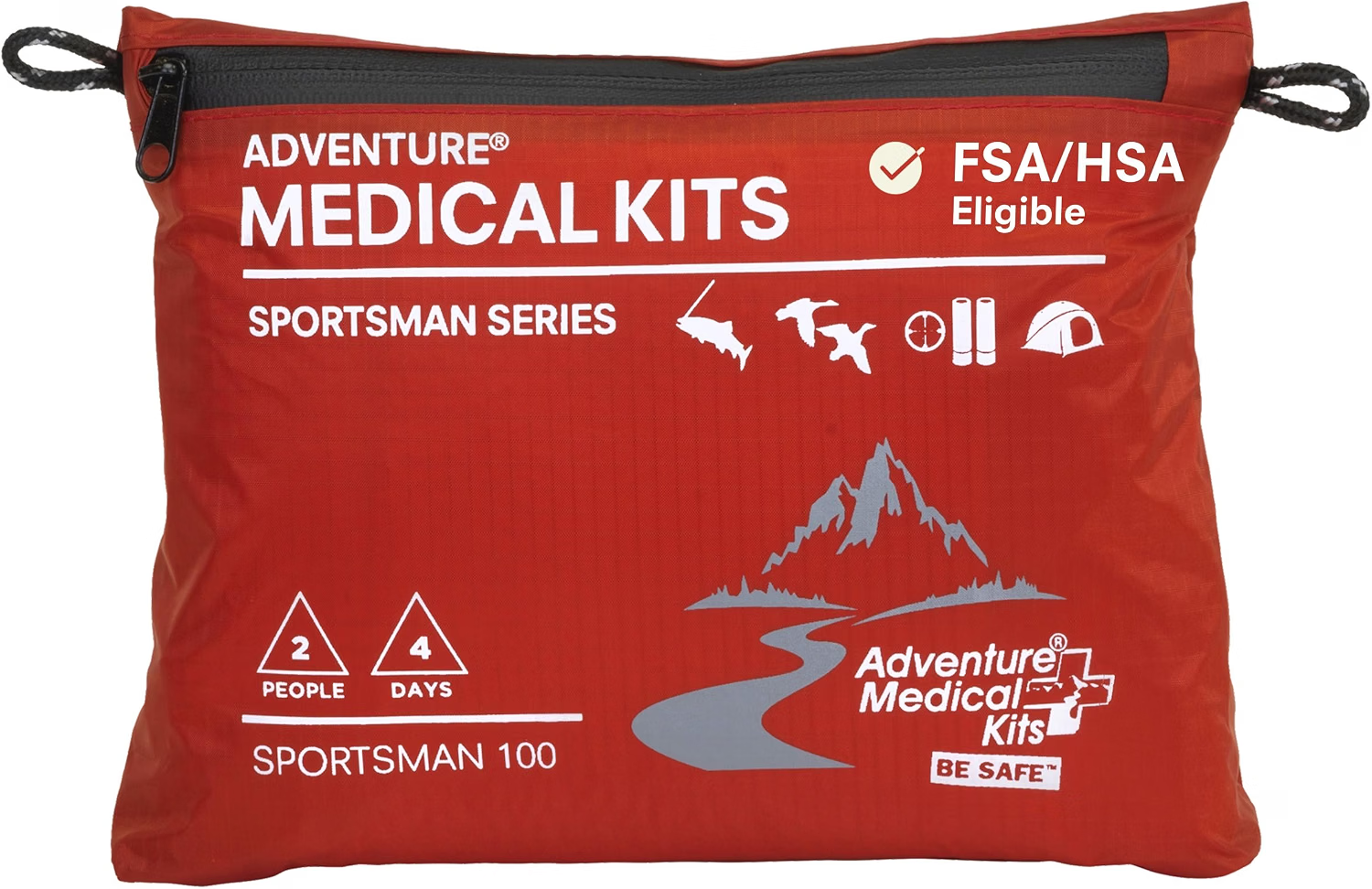
Adventure Medical Kits Sportsman Series 100
Check on Amazon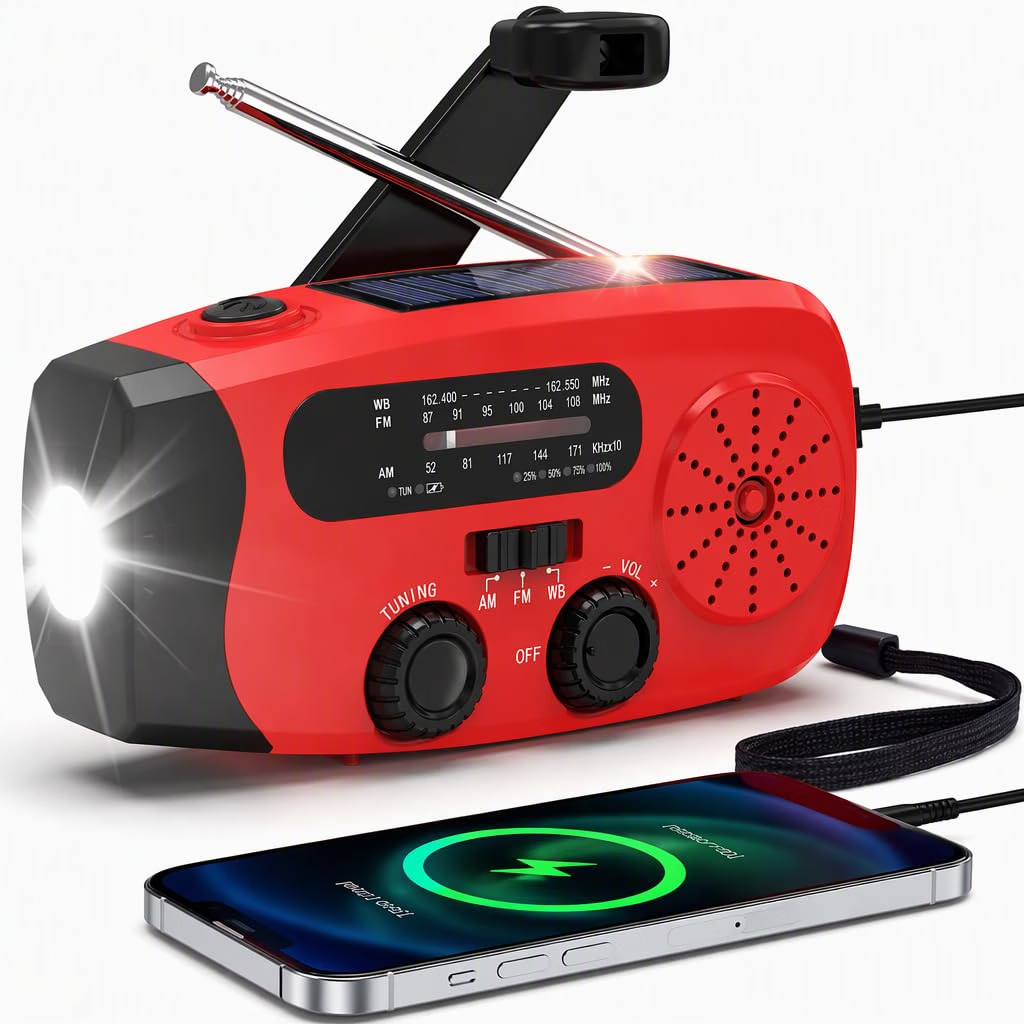
NOAA Emergency Weather Radio with Hand Crank and Flashlight
Check on Amazon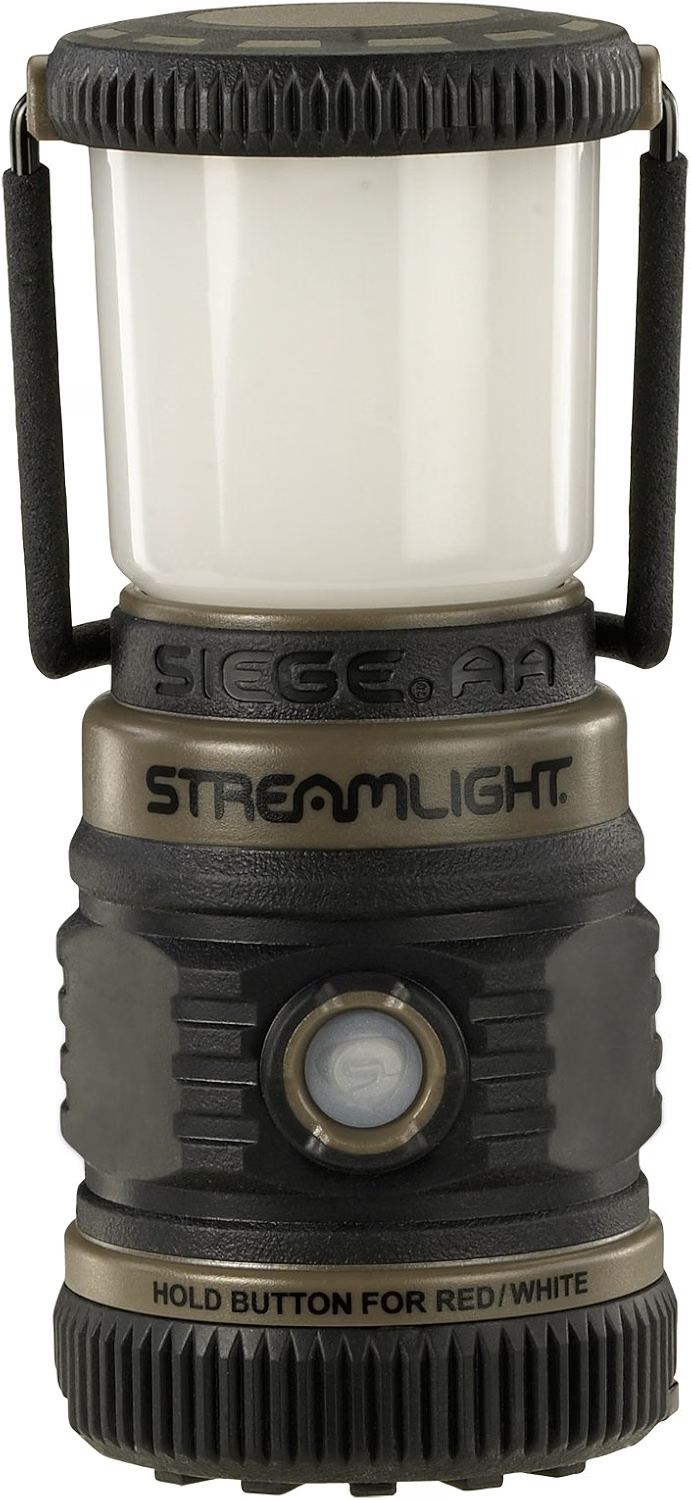
Streamlight Siege Battery-Powered Lantern
Check on Amazon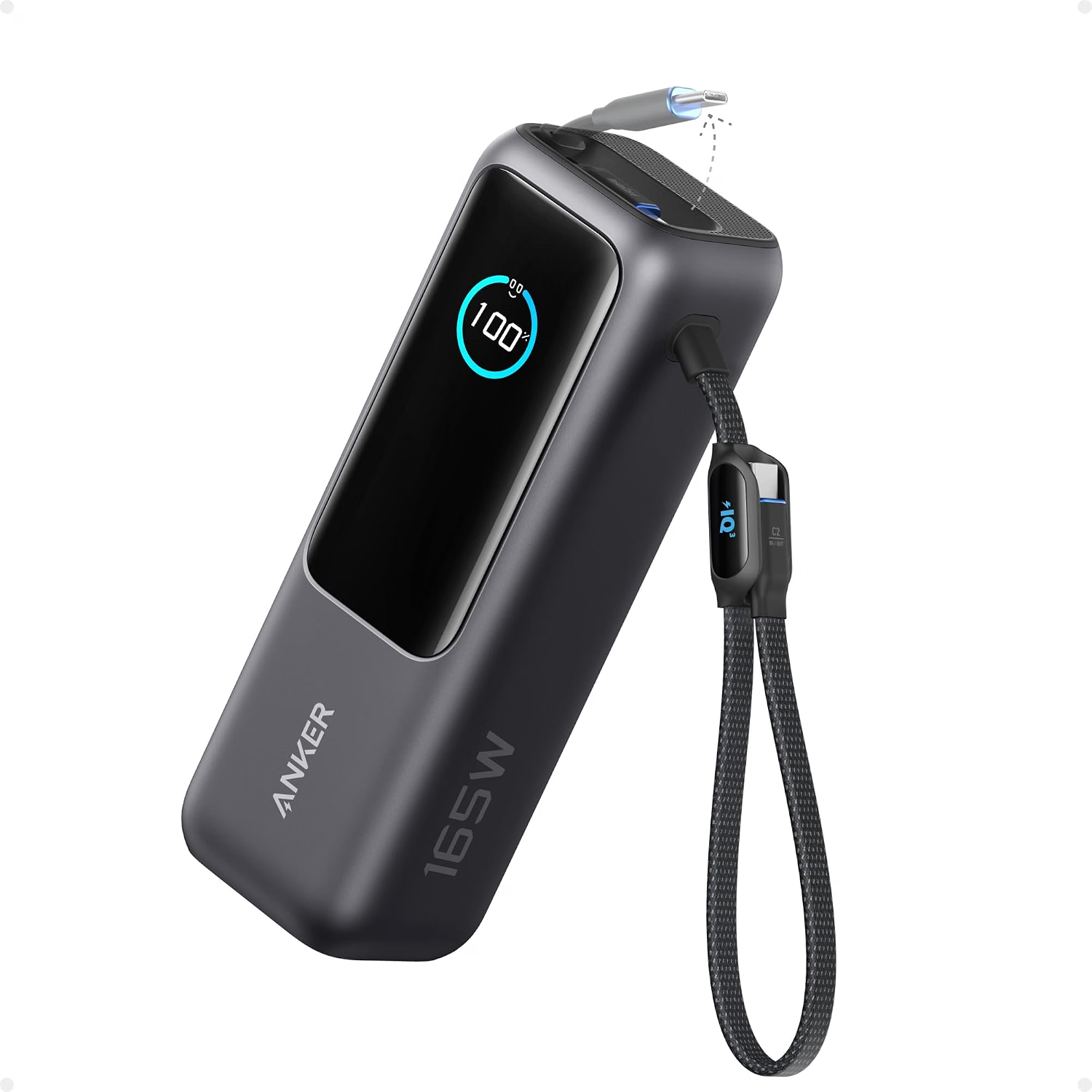
Anker 25,000mAh Power Bank, 165W Total Output
Check on Amazon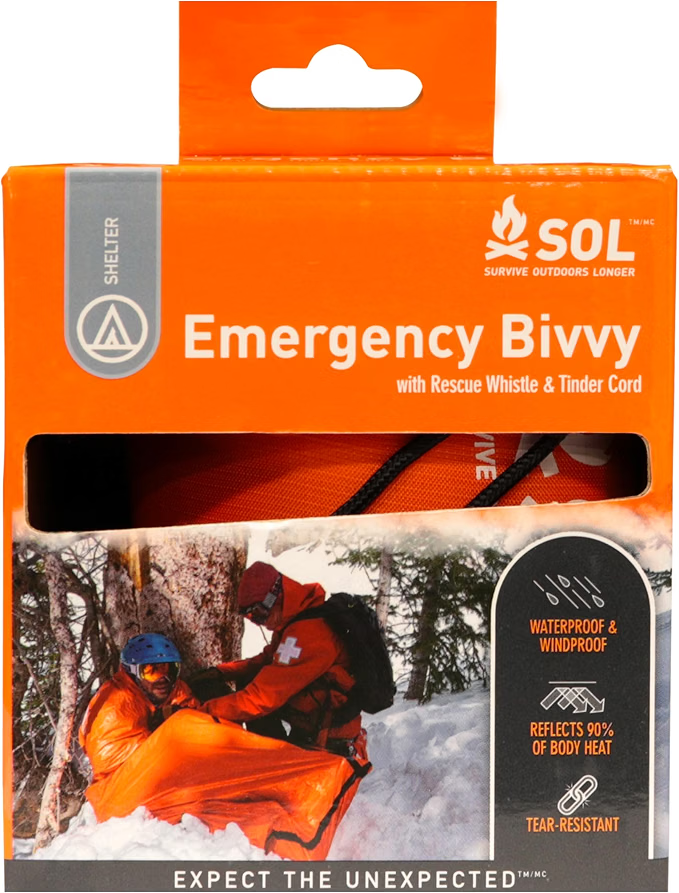
Heat-Reflective Emergency Bivvy with Rescue Whistle
Check on AmazonThese are existing products already featured by The All Guy, shown because they fill clearly defined kit roles. None substitutes for a quality winter tire, a working battery, or a plan for contacting assistance. We will add model-specific jump starters, tire inflators, and shovels after checking their specifications and exact affiliate listings.
The 25-Essential Winter Emergency Car Kit Checklist
The list below is organized by job. "Essential" means it addresses a common preparedness need, but exact equipment still depends on vehicle compatibility and conditions. Some items, such as chains and a spare tire, are conditional on your vehicle and local requirements.
# | Item | Why it belongs |
|---|---|---|
1 | Usable spare tire or vehicle-approved tire mobility system | Know how you can address a flat |
2 | Correct jack and lug tool, if applicable | Only helpful when compatible with your vehicle |
3 | Tire-pressure gauge | Check the specified cold pressure |
4 | Portable tire inflator | Helps with some low-pressure situations |
5 | Compatible jump starter or jumper cables | Backup when a starting battery fails |
6 | Compact snow shovel | Clear around tires or an exhaust area when safe |
7 | Ice scraper and snow brush | Restore visibility through all windows |
8 | Traction aid such as sand or appropriate mats | Limited assistance when stuck |
9 | Seasonal tires and permitted chains/cables where required | Preparedness begins with road grip |
10 | Reflective warning triangles or approved markers | Make a stopped vehicle more visible |
11 | High-visibility vest | Helps when you must exit in a safe location |
12 | Flashlight or headlamp | Work and signaling after dark |
13 | First-aid kit and personal medications | Handle minor injuries and essential needs |
14 | Insulated work gloves | Protect hands while using tools |
15 | Whistle or other simple signal | Low-tech attention-getting backup |
16 | Warm blankets | Reduce exposure to cold during a delay |
17 | Spare insulated layers, hat and gloves | Replace wet clothing or add warmth |
18 | Dry socks and weatherproof footwear | Protect feet and reduce heat loss |
19 | Compact emergency bivvy or insulated wrap | Supplemental barrier, not complete sleep system |
20 | Drinking water | Stay hydrated if travel is delayed |
21 | Shelf-stable snacks or rations | Maintain practical food reserves |
22 | Vehicle-compatible phone charging cable | Charge phones when the vehicle is operable |
23 | Charged power bank | Phone backup when a vehicle cannot charge it |
24 | Weather-capable radio, where practical | Get updates beyond mobile data |
25 | Printed contacts, route details and paper map | Navigation and communication without service |
What about a recovery strap, folding saw, chainsaw, or shovel upgrade? Those are situation-specific tools for people with the right vehicle, experience, and safe use conditions. The ability to call qualified roadside assistance is more useful than attempting an unsafe recovery.
1. The Five Vehicle-Recovery Items Most Worth Getting Right
For ordinary drivers, tire and battery problems deserve attention before expensive survival accessories.
A battery jump starter or jumper cables
Choose for your engine, battery system, and operating temperature. A compact lithium jump starter can be convenient because it doesn't require another vehicle, but compatibility, cable reach, connection safeguards, storage-temperature limits, and state of charge matter. Some high-output units have different instructions for cold-weather operation. Never assume a device that worked in summer will perform identically after sitting in a freezing trunk all winter.
Jumper cables are simpler but require another suitable vehicle, appropriate instructions, and a safe connection procedure. A jump starter is not a repair for a damaged battery, fuel problem, or mechanical failure. Review your owner's manual, particularly on hybrid and electric vehicles.
Portable tire inflator and gauge
A portable inflator is useful for gradual pressure loss and some low-pressure situations, not a substitute for a tire repair or a safe way to drive on a badly damaged tire. Find the pump's duty cycle, hose reach, power input, pressure gauge accuracy, and whether its fittings match your tire valves. Many pumps use a 12-volt accessory socket; check whether the outlet is rated for that load and remains powered when the engine is off.
Check pressure when tires are cold, using the vehicle's door placard. A temporary rise in pressure during driving does not mean the tire was properly inflated beforehand. For a puncture or sidewall damage, prioritize a safe stop and professional help.
Snow shovel, brush and traction aid
A compact shovel makes sense for clearing snow around tires or the exhaust, but it is not a license to crawl under a vehicle or dig near moving traffic. A sturdy brush and ice scraper should stay within reach of the driver. Clear snow from the roof, hood, windows, mirrors, and lights before moving.
Sand, abrasive litter, or traction mats may help in limited situations. Use only equipment appropriate to the vehicle and local rules. Spinning tires aggressively or attempting a recovery on an active roadway can make an already dangerous situation worse. If you cannot recover safely, call for help.
2. Roadside Visibility and Personal Safety
If you stop unexpectedly, the first priority is not immediately changing a tire: it is staying out of harm's way. Move out of traffic when possible, use hazard lights, and follow the instructions of emergency personnel. A reflective marker may help alert approaching drivers, but never place or retrieve it where doing so exposes you to traffic. Visibility equipment should be treated as safety support, not a reason to stand on the shoulder in a snowstorm.
A bright light is useful for seeing gear and signaling. The Streamlight Siege lantern is one battery-operated example that can illuminate the cabin or a safer roadside task area. A separate headlamp helps with hands-free work, and an insulated glove protects against cold metal. Carry batteries or confirm your preferred recharge method.
If you travel with children, prioritize keeping everyone secured and away from moving vehicles. The safest place to wait depends on traffic, position, weather, and the immediate hazards. Do not automatically exit onto a snowy highway shoulder.
3. First Aid: Practical Supplies, Not a Field Hospital
A basic first-aid kit should include dressings, gauze, tape, gloves, and supplies appropriate for the people traveling. Review items before winter, especially anything that can freeze, leak, or expire. Make room for necessary prescriptions and a written list of allergies and emergency contacts.
The Adventure Medical Kits Sportsman Series 100 is one previously selected compact kit. Verify its contents against your actual needs; no preassembled kit automatically covers every medical condition. Advanced bleeding-control equipment requires appropriate training, and emergency services should be contacted for significant injury.
For infants, older adults, pets, or travelers who need medical devices, plan specific supplies and additional travel contingencies rather than assuming a generic first-aid pouch is enough.
4. Warmth: The Items You Can Actually Use While Waiting
Blankets, a dry hat, spare socks, weatherproof gloves, and insulating layers generally offer more immediate value than a complicated shelter gadget. Keep them dry in a sealed tote or bag. Use layers to avoid sweating heavily if you need to exert yourself; wet clothing makes it harder to stay warm.
A reflective emergency bivvy can be a secondary layer, particularly for reducing wind exposure or adding a barrier in some conditions. It does not replace insulated blankets, a proper sleeping system, or medical care for hypothermia. A bivvy may not breathe well and can accumulate moisture; read the product instructions.
The compact heat-reflective emergency bivvy from our existing kit guide is one supplementary example, not a promise of a particular temperature rating.
Don't use fuel-burning camp stoves, grills, or unapproved portable heaters inside a passenger compartment. Carbon monoxide can accumulate without a clear warning. Extra clothing and a plan to contact help are safer than improvising a vehicle heating system.
5. Drinking Water and Snacks in Freezing Weather
Carry bottled water or securely sealed portable containers, but remember that water can freeze in an unattended vehicle. Inspect containers for damage and leaks, rotate supplies, and arrange an accessible supply for road trips. Never depend on eating snow as a replacement for safe drinking water; obtaining and melting it safely can require heat and additional precautions.
Shelf-stable snacks should be easy to open and eat without cooking: granola bars, crackers, nut or seed butter if appropriate, packaged fruit, and other familiar items. Plan for the number of passengers and realistic delays, including child, allergy, and pet needs. Emergency ration bars can supplement ordinary food, but check servings and storage directions instead of assuming a single pack feeds everyone for days.
If you need a larger household preparedness system, see our 72-hour emergency kit checklist and 14-day bug-in home checklist. The car kit is meant to help while traveling, not replace home supplies.
6. Communication, Maps and Battery Backup
Charge your phone before leaving and carry a working car cable. Download offline navigation where supported and record important contacts on paper. A weather-capable radio is a useful optional backup for receiving updates, but test reception and power methods before a trip; not every model has automatic weather-alert functionality.
The portable NOAA weather radio with crank and flashlight previously featured in our home guide is one option when space permits. Confirm you can receive relevant local stations and learn how to operate its features.
A high-capacity Anker power bank is another existing affiliate option for charging phones and other compatible electronics. Power banks are not all interchangeable: check USB output compatibility, charging speed, power bank charge level, and manufacturer temperature guidance. Do not leave a lithium battery permanently exposed to temperatures outside its storage specifications.
For remote trips, agree on a check-in plan before you leave. Give someone the actual route, expected arrival time, and the point when they should contact authorities if they have not heard from you. A satellite-based emergency communicator may be appropriate for particular remote routes, but only if the device, coverage, subscription, and user training match your needs.
7. What To Do If You Get Stranded in Snow
If you are caught in a severe winter storm, the National Weather Service generally recommends remaining with your vehicle rather than wandering into dangerous conditions, unless the vehicle itself is unsafe or there is clearly reachable safe shelter. National Weather Service winter storm safety.
Assess immediate danger. If you are in moving traffic, a flood zone, or a vehicle fire situation, protect yourself and contact emergency services. The right action depends on where the vehicle has stopped.
Call or signal for help. If you have service, share your location, road name or mile marker, passengers, vehicle details, and immediate needs. Avoid needless battery drain.
Make the vehicle visible. Use hazard lights and approved signaling equipment when this can be done safely. Keep a dome light on intermittently when suitable.
Conserve warmth. Add dry insulating layers and blankets. Keep movements gentle rather than exhausting yourself.
Prevent carbon monoxide exposure. Snow can obstruct an exhaust pipe. Do not run an engine unless the tailpipe is completely clear, there is adequate fresh air, and the conditions are safe. Recheck frequently if snow is falling; even partially blocked exhaust is dangerous. Crack a downwind window slightly when running the engine, as advised by the National Weather Service.
Stay alert to changes. Keep track of weather, vehicle position, and rescue instructions. Do not leave passengers unattended or attempt to walk an unfamiliar route through a whiteout.
These points are general winter-storm guidance and not a substitute for real-time directions from dispatchers, responders, or your vehicle's manufacturer. The best response to a breakdown in a clear, busy roadside location can differ from being snowbound on an isolated road.
Carbon monoxide can kill without an obvious warning
A vehicle can look safe while exhaust gas collects around it. Blocked exhaust can drive carbon monoxide into the passenger compartment. If you feel headache, dizziness, nausea, confusion, or weakness, move to fresh air if safe and seek immediate help. Do not assume opening a window makes a blocked exhaust safe. Clearing the tailpipe and adequate ventilation are necessary precautions, not guarantees of safety.
8. How to Pack a Car Kit Without Filling the Trunk
Use a durable tote or bag that fits your vehicle and can be secured against movement. Split equipment into two levels: *cabin-accessible essentials* and *trunk or cargo-area tools*. Don't store anything loose where it can become a projectile in a crash.
Within safe reach of passengers | In secured cargo storage |
|---|---|
Phone cable, charged power bank | Compact shovel and ice scraper |
Emergency contacts and paper map | Tire equipment and compatible recovery tools |
Warm gloves, hats, small blanket | Insulated clothing and extra blankets |
Basic water and snacks | Additional sealed food and water containers |
Flashlight or small lantern | Reflective markers and work gloves |
Required medicines kept within their temperature limits | Dry gear bag, permitted traction equipment |
The emergency medical kit should be reachable without unloading the entire trunk. If the car has a trunk that can only be opened electrically, understand how the mechanical release or alternative access works. In shared family vehicles, tell all regular drivers exactly where the kit is secured.
Storage checks matter
Extremely hot and cold temperatures can damage or reduce the performance of some batteries, food, medications, and electronic devices. Read the manufacturer storage instructions and move temperature-sensitive items when needed. Check kit condition monthly during winter and before a long drive.
9. A 15-Minute Pretrip Winter Vehicle Audit
Use this quick test before a mountain drive or long winter trip:
Check route weather, road conditions, and road closures.
Inspect tires and verify cold inflation pressure.
Confirm the vehicle's spare or tire-repair procedure.
Test headlights, taillights, wipers, defroster, and washer fluid.
Check the starting battery if there are signs of weakness.
Confirm enough fuel or charge for delays and detours.
Charge the phone and external power bank.
Count water, food, warm layers, and medications for all passengers.
Locate the flashlight, high-visibility items, and basic first aid.
Leave a route and check-in time with someone outside the vehicle.
Remember to check special conditions: EV drivers should plan charging around cold-weather range and charger availability; vehicles using tire chains or cables must comply with manufacturer compatibility instructions and local rules. A four-wheel-drive vehicle can still lose control on ice, and no emergency kit makes driving on a closed road appropriate.
Winter Emergency Car Kit FAQ
What are the most important items in a winter car emergency kit?
Start with a charged phone and charging backup, dependable light, a warm blanket, seasonal clothing, water, snacks, basic first aid, a warning method, and tire or battery supplies compatible with the vehicle. Snow driving adds a shovel, brush, and appropriate traction aids.
How much water should I keep in my car in winter?
There is no one universal amount for every drive. Consider passengers, trip length, likely delays, and the risk that water freezes in a parked vehicle. Keep some safe drinking water accessible and check its condition regularly. For routine commuting, a modest reserve can be practical; remote travel requires a more deliberate plan.
Should I buy a jump starter or jumper cables?
Both can be useful. A compatible jump starter can work without another vehicle, but must be charged and stored within its temperature limits. Jumper cables can be simpler and cost less but rely on another suitable vehicle and a safe procedure. In either case, consult the owner's manual and don't improvise electrical connections.
Do I need tire chains if my car has all-wheel drive?
Possibly, depending on conditions, local chain-control rules, your tire classification, and vehicle manufacturer restrictions. All-wheel drive helps move power to the wheels but does not eliminate the need for traction while braking or cornering. Check route-specific requirements and your manual before travel.
Should I stay in my vehicle when stranded in a blizzard?
Generally, National Weather Service advice favors staying with your vehicle in a winter storm, assuming it is not in immediate danger. Contact help and follow responder instructions. Running an engine with an obstructed tailpipe can be fatal due to carbon monoxide; do not do so.
Can I use an emergency bivvy instead of a winter sleeping bag?
No. A reflective bivvy is best treated as a supplementary barrier rather than proven insulation for overnight freezing exposure. For routes where hours of isolation are plausible, pack actual insulating clothing and blankets and consider a suitable cold-rated sleeping system.
Do electric vehicles need a different kit?
The core items remain the same, but cold-weather charging, range planning, and vehicle-specific recovery procedures matter. Keep a charging-route plan and understand how your vehicle handles a low-voltage battery issue or traction equipment. Use the EV manufacturer's instructions, not generic advice intended only for gasoline vehicles.
Final Verdict: Get the Basics Right Before Buying More Gear
A good winter emergency car kit helps you handle an ordinary breakdown and gives you options if a storm turns a routine drive into a long wait. Begin with vehicle maintenance, route awareness, a warm and visible passenger area, communication, and tire-and-battery basics. Expand to a shovel, traction equipment, and deeper reserves when your routes justify them.
There is no need to buy every product in one transaction. The strongest first purchases fill a specific gap: a compatible jump starter, a dependable tire inflator, a practical snow shovel, reflective warning equipment, and real cold-weather clothing. After those are handled, consider extra lighting, emergency bivvies, power-bank redundancy, and optional communications.
For broader readiness, pair your car setup with our 72-hour emergency kit checklist and home bug-in checklist. Review your kit at the start of each winter and after you use anything from it.
Authoritative safety references: NHTSA Winter Driving Tips, NWS: What To Do If Caught in a Winter Storm, and NHTSA Tire Safety. Product selection and packing recommendations are practical editorial guidance, not hands-on lab testing.
This post may contain affiliate links. We may earn a commission when you purchase through links on this site at no additional cost to you.


