
This article contains affiliate links. We may earn a commission from qualifying purchases.
As an Amazon Associate I earn from qualifying purchases.
Outdoor security cameras are one of the easiest smart-home categories to overbuy. Resolution, battery life, cloud storage, local recording, night vision, smart alerts, and ecosystem compatibility all matter, but not equally for every house. The right camera depends first on where it will be mounted, how it will be powered, what you want recorded, and whether you are comfortable paying for a subscription.
This 2026 guide compares seven current outdoor security cameras around video quality, power options, storage, smart-home integration, installation flexibility, and everyday homeowner fit. We do not claim hands-on testing unless an article specifically says so.
If you are building the rest of your connected-home setup, start with Smart Home for Beginners: The Complete 2026 Guide, then use our Smart Home Start Here hub to work through the full cluster.
QUICK PICKS: BEST OUTDOOR SECURITY CAMERAS IN 2026
Seven outdoor security cameras for different power setups, storage preferences, smart-home ecosystems, and budgets.
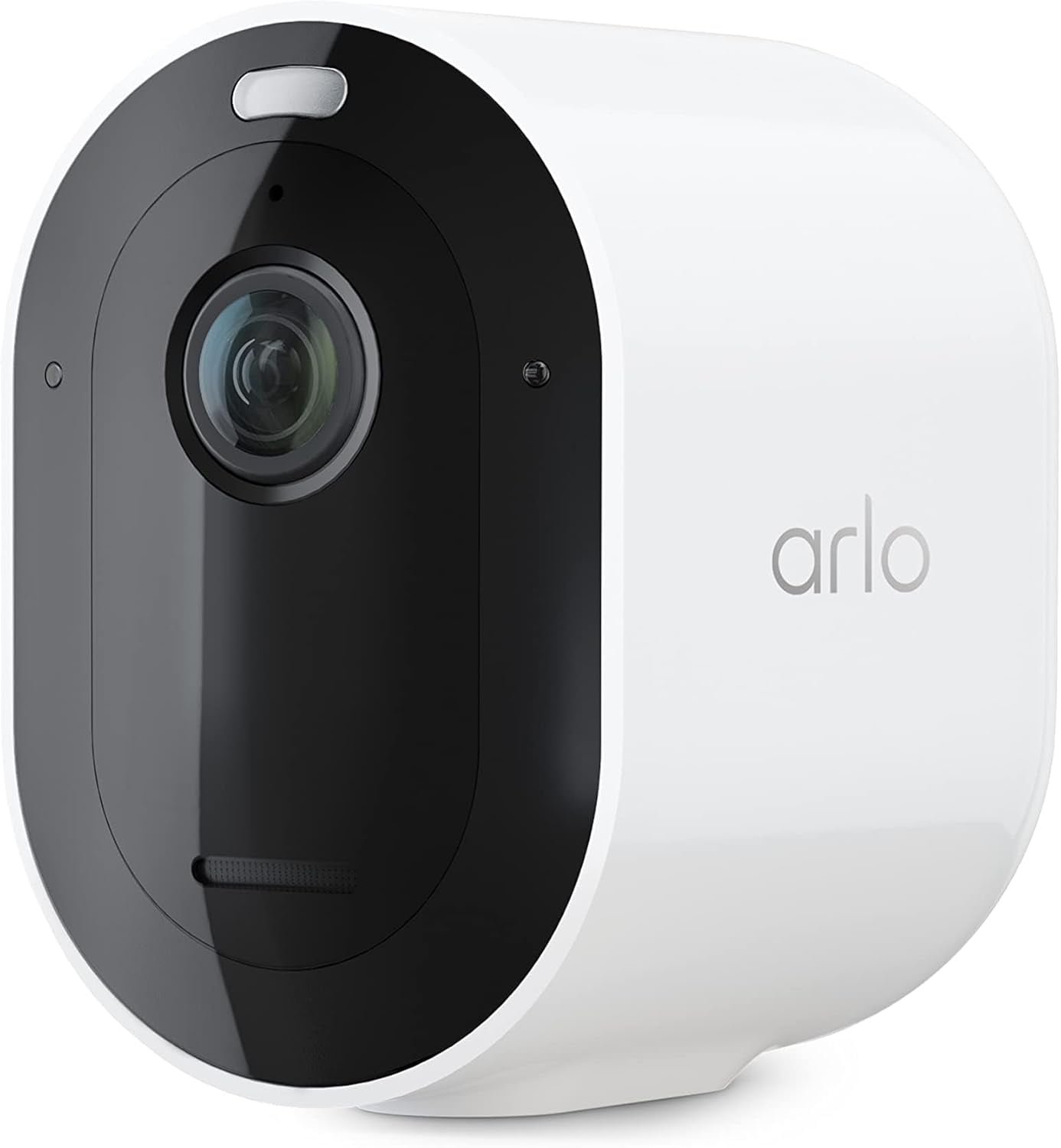
Arlo Pro 5S 2K
Check Price on Amazon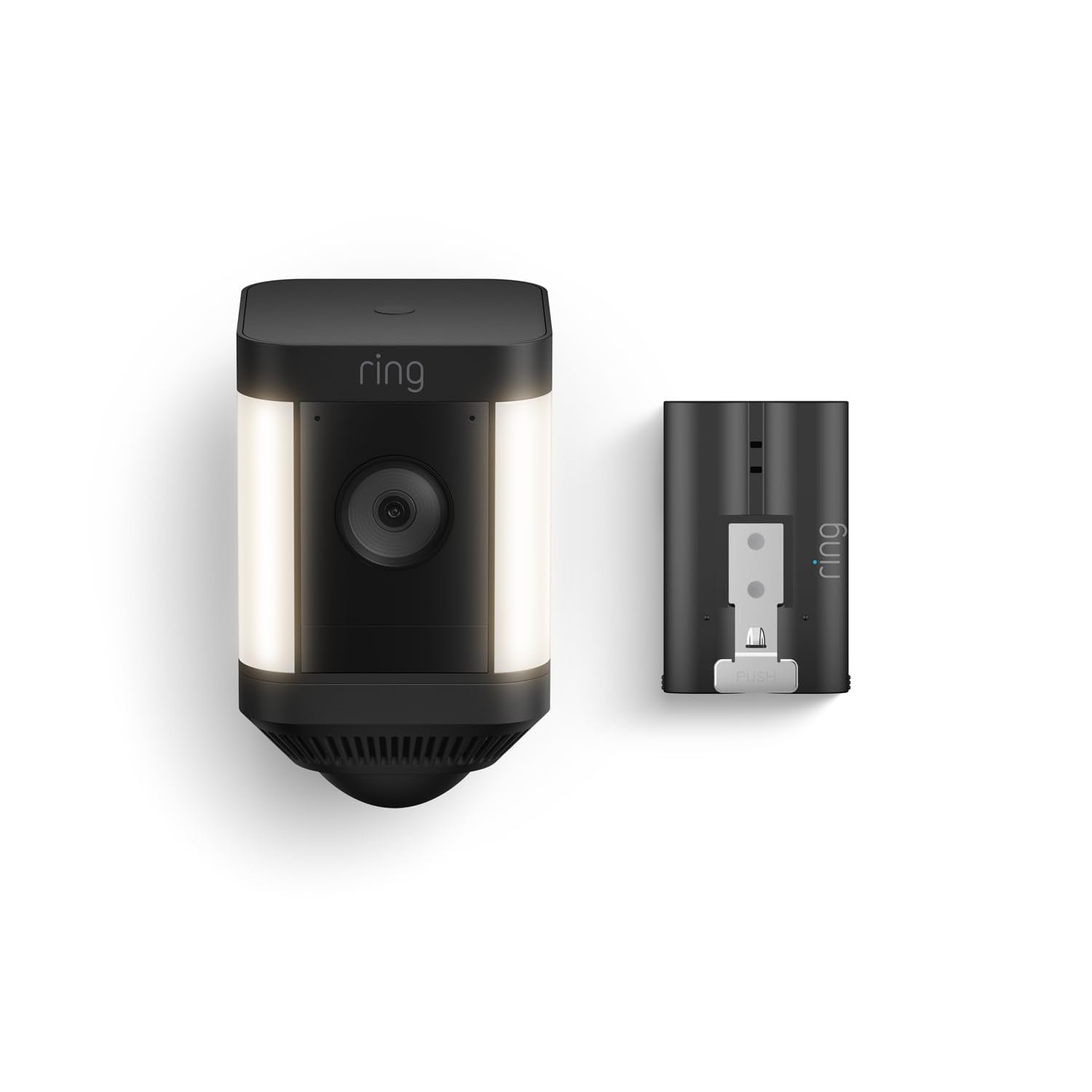
Ring Outdoor Cam Plus
Check Price on Amazon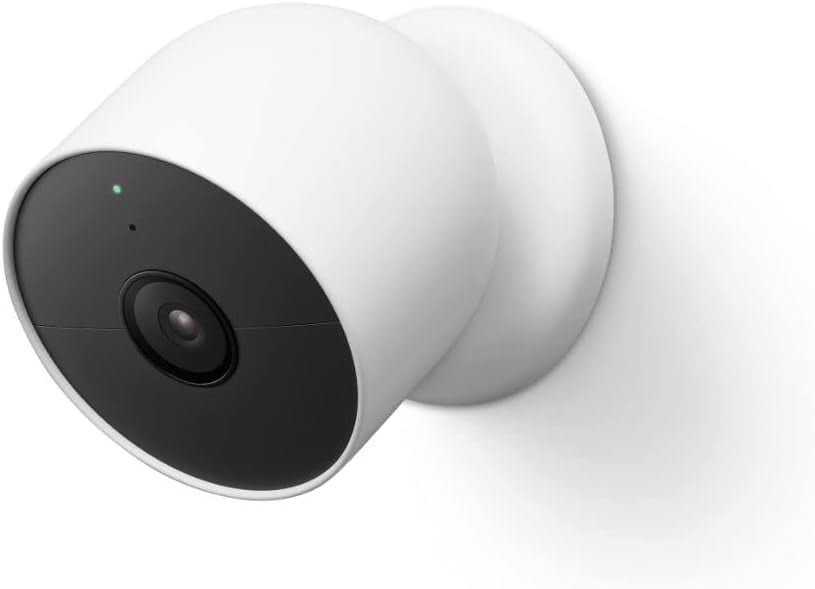
Google Nest Cam (Battery)
Check Price on Amazon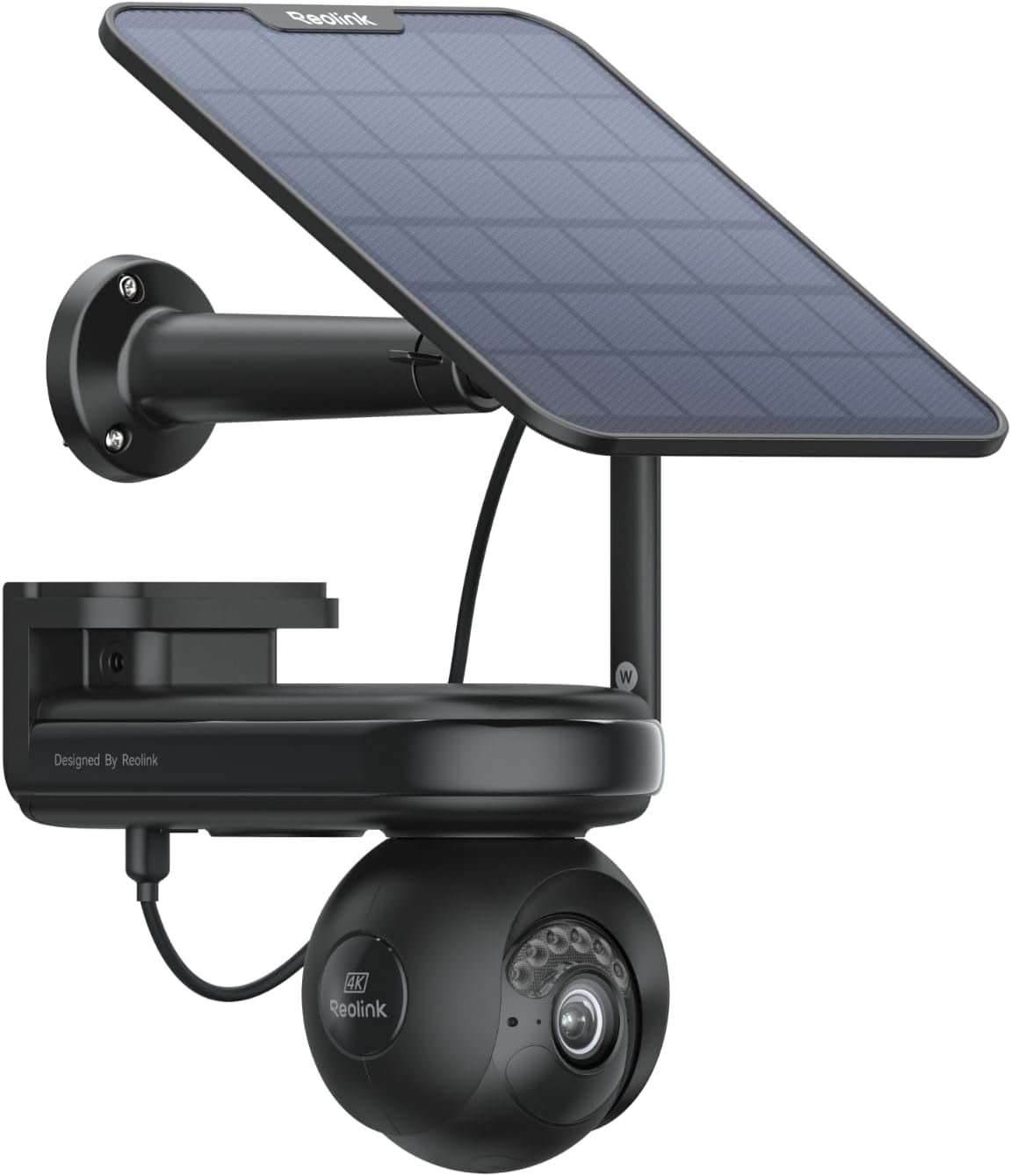
Reolink Altas PT Ultra
Check Price on Amazon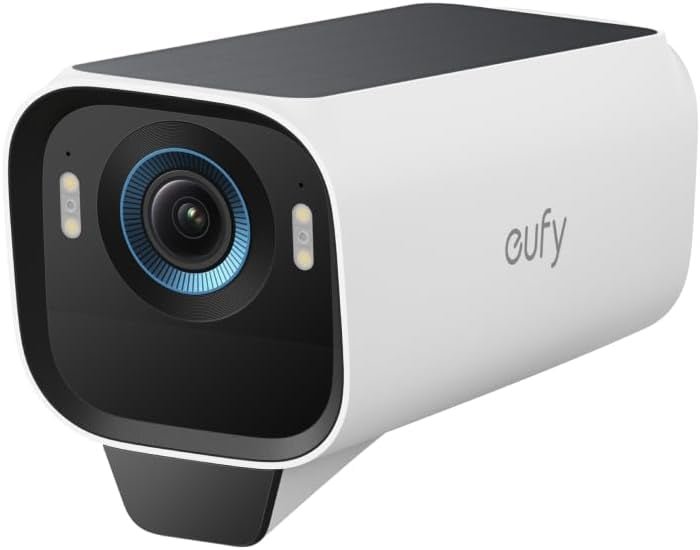
eufyCam S3 Pro
Check Price on Amazon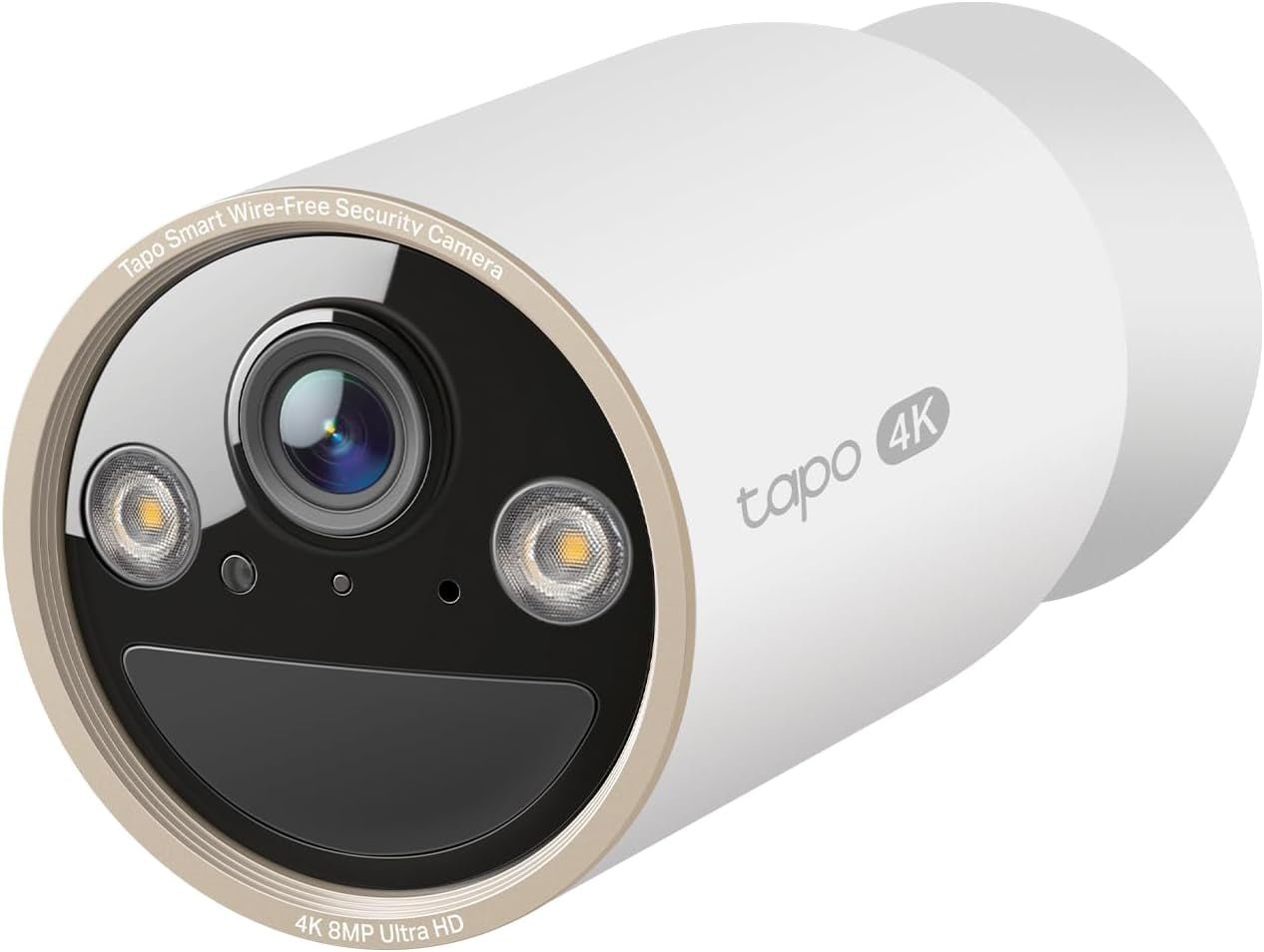
TP-Link Tapo C460
Check Price on Amazon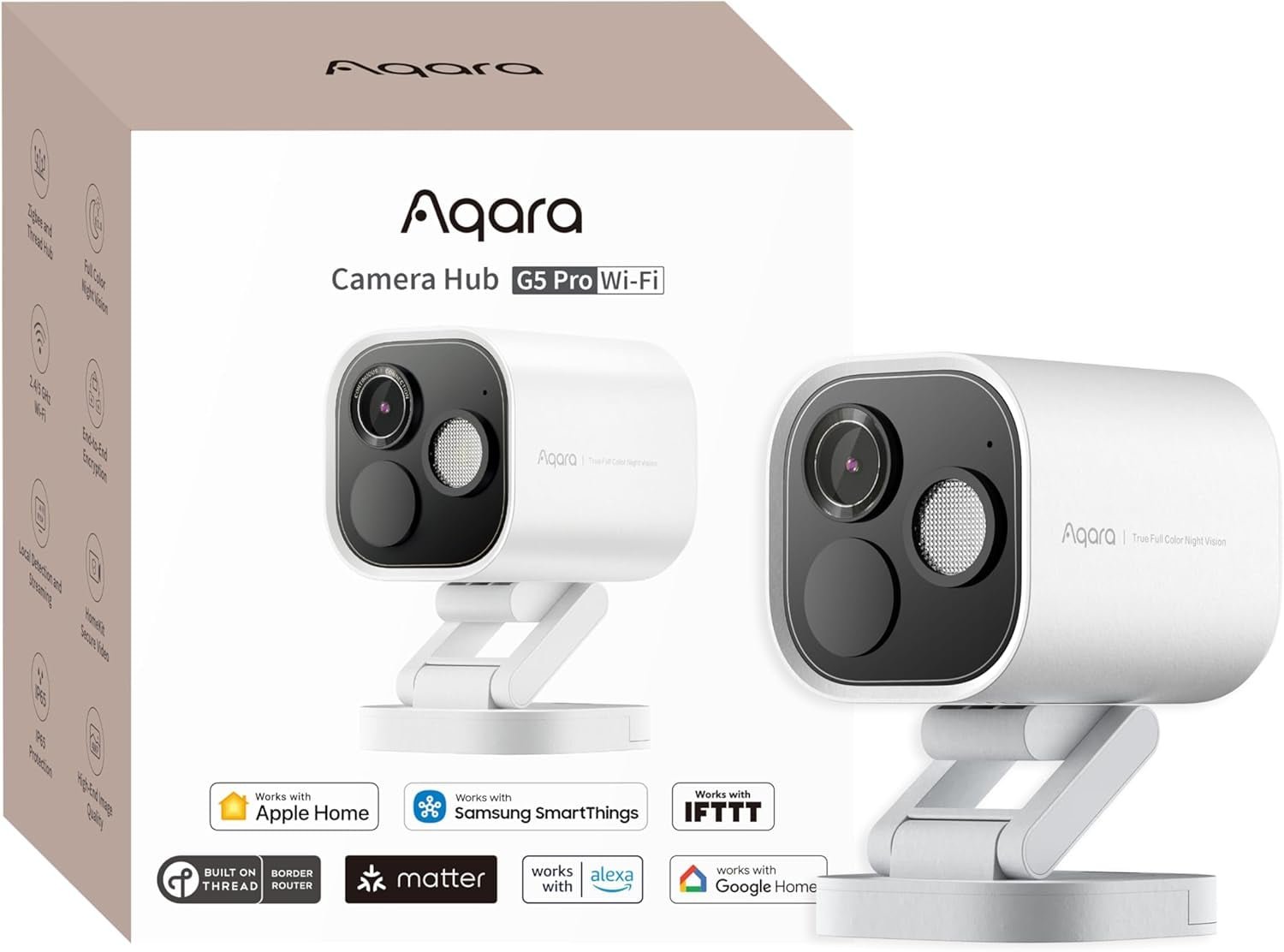
Aqara Camera Hub G5 Pro
Check Price on AmazonAt a Glance: Which Outdoor Security Camera Fits Your Home?
Arlo Pro 5S 2K is the flexible wire-free pick with a wide field of view and broad smart-home support. Ring Outdoor Cam Plus is the natural fit for Ring and Alexa households that want multiple power options. Google Nest Cam (battery) makes the most sense for Google Home users. Reolink Altas PT Ultra is the high-capacity local-storage and pan-and-tilt choice. eufyCam S3 Pro stands out for 4K battery-powered coverage and full-color night imaging. TP-Link Tapo C460 is a value-focused 4K battery option. Aqara Camera Hub G5 Pro is the smart-home-heavy choice for Aqara, Zigbee, Thread, and Matter-oriented setups.
Before You Buy: Power, Placement, and Storage Matter More Than Specs
Start with the mounting location. A camera high on a second-story soffit may be a poor battery choice if charging requires a ladder every few months. A driveway camera near an outlet may benefit from continuous power. A detached gate may be better served by battery or solar. Power method affects both convenience and which recording modes are realistically available.
Then decide where recordings will live. Some systems lean heavily on cloud subscriptions, while others provide local microSD, hub, or NVR storage. Cloud storage is convenient, but local storage can reduce recurring costs and keep more control inside the home. Neither approach is automatically better; the right answer depends on how much history you want, how much maintenance you will tolerate, and what happens when internet access goes down.
1. Arlo Pro 5S 2K — Best Flexible Wire-Free Choice
Arlo Pro 5S 2K combines wire-free installation, 2K video, a wide field of view, and smart-home integration for flexible outdoor coverage.
Arlo Pro 5S 2K combines 2K HDR video, a 160-degree field of view, color night vision, a rechargeable battery, and dual-band Wi-Fi. It can connect directly to Wi-Fi without a required SmartHub, while Arlo also supports optional hub-based setups and local recording in certain configurations.
The biggest appeal is placement flexibility. A battery-powered camera with broad smart-home compatibility is useful when you want to cover a driveway, side yard, or detached area without running new wiring. Arlo also supports Alexa, Google Assistant, SmartThings, IFTTT, and Apple HomeKit integrations.
The All Guy take: Arlo makes sense when installation flexibility matters more than eliminating subscriptions entirely. The hardware is capable, but buyers should understand which premium detection and cloud features require an Arlo Secure plan.
2. Ring Outdoor Cam Plus — Best for Ring and Alexa Homes
Ring Outdoor Cam Plus is designed for flexible outdoor placement with Ring and Alexa integration, multiple power options, and connected motion alerts.
Ring Outdoor Cam Plus is built around flexibility in both power and placement. Ring offers battery, plug-in, solar, wired, and Power over Ethernet versions, while the camera itself delivers 2K video, a 160-degree diagonal field of view, two-way talk, customizable motion zones, and low-light color imaging.
The strongest reason to choose it is ecosystem fit. If your house already uses Ring doorbells, Ring cameras, or Alexa displays, keeping outdoor coverage inside the same app can make the system easier for everyone to use.
The All Guy take: Ring becomes more compelling as the rest of the house becomes Ring. If you already have the ecosystem, the convenience can outweigh chasing a camera with one or two stronger standalone specifications.
3. Google Nest Cam (Battery) — Best for Google Home
Google Nest Cam (Battery) provides wire-free indoor or outdoor monitoring with smart detection and deep integration with the Google Home ecosystem.
Google Nest Cam (battery) is designed for indoor or outdoor use and centers its experience on the Google Home app. It includes on-device detection for people, animals, and vehicles, HDR, night vision, a rechargeable battery, and an optional weatherproof cable for continuous power.
Google includes a limited amount of event history without a paid plan, while longer event history and additional premium features require Google Home Premium. The camera also works with compatible Google Assistant and Alexa-enabled devices.
The All Guy take: Nest Cam is less about winning a resolution contest and more about fitting cleanly into Google Home. If Google Home is already your household dashboard, that integration can matter more than raw pixel count.
4. Reolink Altas PT Ultra — Best for Local Storage and 360-Degree Coverage
Reolink Altas PT Ultra combines 4K video, pan-and-tilt coverage, a large rechargeable battery, and local storage for broader outdoor surveillance.
Reolink Altas PT Ultra takes a different approach from most battery cameras. It records in 4K, includes a 20,000mAh rechargeable battery, supports 355-degree pan and 90-degree tilt, auto tracking, color night vision, dual-band Wi-Fi 6, and microSD storage up to 512GB.
Reolink also supports Home Hub storage and selected cloud options. The camera's large battery and optional solar panel are designed for longer deployments, while pan-and-tilt coverage can reduce the number of fixed cameras needed in an open area.
The All Guy take: this is the camera I would investigate first when local storage and broad physical coverage matter more than staying inside a major smart-home brand. It is a more surveillance-focused product than a simple app camera.
5. eufyCam S3 Pro — Best 4K Battery Camera for Night Clarity
eufyCam S3 Pro pairs 4K recording with battery-powered flexibility, integrated solar charging, and enhanced low-light imaging.
eufyCam S3 Pro combines 4K video, a large image sensor, an F1.0 lens, color-focused night imaging, a 13,000mAh rechargeable battery, and integrated solar charging. eufy positions the system around long battery life and strong low-light performance without relying solely on a bright spotlight.
The S3 Pro is especially interesting for homeowners who want a battery-first system but still care about higher-resolution footage. As with other eufy security products, the broader value depends on whether you want to build around eufy's HomeBase and local-storage ecosystem.
The All Guy take: battery cameras usually ask you to trade some image quality for placement flexibility. eufyCam S3 Pro is built for buyers who want to reduce that compromise.
6. TP-Link Tapo C460 — Best Value 4K Battery Pick
TP-Link Tapo C460 delivers 4K battery-powered outdoor monitoring for homeowners looking for a value-focused smart security camera.
Tapo C460 is a current 4K battery-powered outdoor camera in TP-Link's Tapo lineup. It is aimed at buyers who want higher-resolution outdoor monitoring without jumping directly into a premium-priced security ecosystem.
Tapo is particularly attractive if the house already uses Tapo plugs, lights, or cameras because the app and device ecosystem stay familiar. As always, check the exact package for storage, hub, and accessory requirements before ordering.
The All Guy take: value cameras are most compelling when they do not force you into a second ecosystem. If Tapo is already in the house, adding outdoor coverage there can make more sense than starting over.
7. Aqara Camera Hub G5 Pro — Best for Aqara and Matter-Oriented Smart Homes
Aqara Camera Hub G5 Pro combines outdoor video monitoring with Zigbee, Thread, and Matter-focused smart-home hub functionality.
Aqara Camera Hub G5 Pro combines outdoor camera duties with smart-home hub functions. It records at 2688 by 1520 resolution, uses a 133-degree diagonal field of view, and is available in Wi-Fi and Power over Ethernet versions. It also includes Zigbee and Thread radios, which lets it play a larger role in an Aqara-centered smart home.
That hub functionality is the reason to consider it. Buyers who already use Aqara sensors, locks, or Matter-compatible automations can get more value from one device doing double duty as both camera and smart-home infrastructure.
The All Guy take: Aqara G5 Pro is not the camera I would buy only for the camera. It becomes interesting when the hub, Thread, Zigbee, and wider Aqara ecosystem are part of the plan.
Battery, Solar, Plug-In, PoE, or Hardwired?
Battery cameras are easiest to place but require charging and usually rely more heavily on motion-triggered recording. Solar can reduce charging work when the panel gets enough direct sunlight. Plug-in cameras trade placement flexibility for continuous power. Power over Ethernet is more work to install but can provide both data and power over one cable and is often the cleanest long-term setup when wiring is practical.
Local Storage vs. Cloud Storage
Local storage can reduce recurring fees and keep footage available without depending entirely on a cloud service. Cloud storage makes remote history and event review easier but often requires a subscription. Before buying, compare how much history is included, what happens when the subscription ends, and whether the camera can still record locally.
Resolution Is Not the Whole Story
A 4K label does not guarantee a better security image. Lens quality, sensor size, compression, lighting, field of view, frame rate, and night performance all affect whether a face or license plate is actually identifiable. Camera placement matters just as much. A well-positioned 2K camera can produce more useful evidence than a poorly placed 4K camera.
How These Cameras Fit the Rest of Your Smart Home
Outdoor cameras work best when they are part of a sensible security layer. Pair them with our Best Video Doorbells in 2026 guide for the front porch and Best Smart Locks of 2026 for access control. If you are building automations beyond security, our Best Smart Thermostats of 2026 guide covers the climate side of the same smart-home cluster.
Bottom Line
There is no single outdoor security camera that fits every property. Arlo is strong for flexible wire-free placement, Ring fits naturally into Ring and Alexa homes, Nest Cam works best inside Google Home, Reolink emphasizes local storage and physical coverage, eufy pushes battery-powered image quality, Tapo targets value, and Aqara combines camera duties with smart-home infrastructure. Start with power, storage, and ecosystem fit. The specification sheet comes after that.
This post may contain affiliate links. We may earn a commission when you purchase through links on this site at no additional cost to you.


