
This article contains affiliate links. We may earn a commission from qualifying purchases.
As an Amazon Associate I earn from qualifying purchases.
A smart thermostat can be one of the most practical upgrades in a connected home because it sits at the intersection of comfort, energy use, scheduling, occupancy, and automation. The hard part is that thermostat compatibility depends on the HVAC system behind the wall. A model that works well for a conventional low-voltage furnace and air conditioner may be completely wrong for electric baseboard heat.
This 2026 guide compares eight smart thermostats around system compatibility, smart-home integration, installation requirements, room-by-room comfort, and everyday usability. We do not claim hands-on testing unless an article specifically says so. As an Amazon Associate, The All Guy earns from qualifying purchases.
If you are building your connected home from scratch, start with our Smart Home for Beginners: The Complete 2026 Guide, then see Best Smart Home Devices for Beginners in 2026 and the Smart Home Start Here hub for the full cluster.
QUICK PICKS: BEST SMART THERMOSTATS IN 2026
Eight smart thermostats for different HVAC systems, ecosystems, budgets, and comfort priorities.
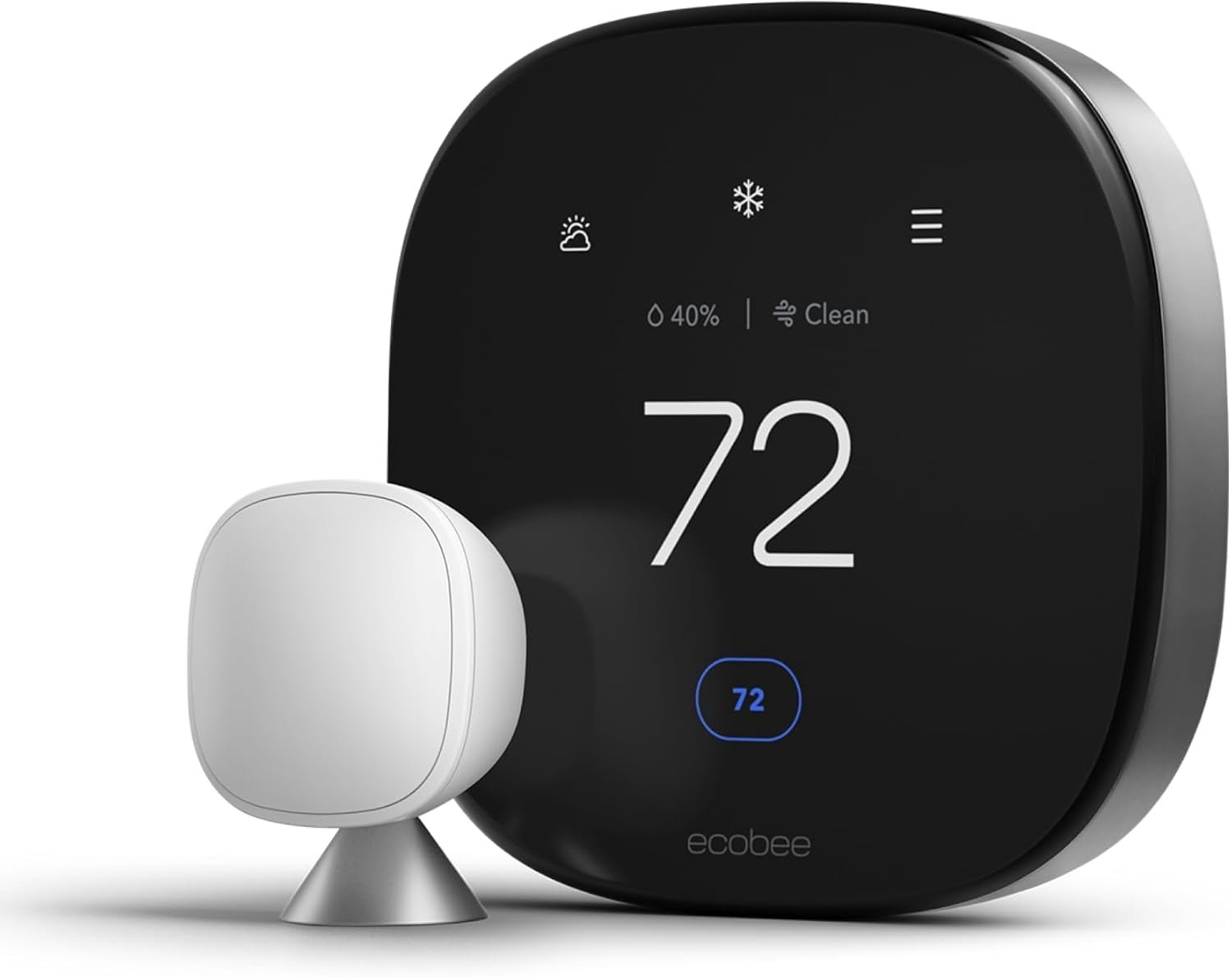
ecobee Smart Thermostat Premium
Check Price on Amazon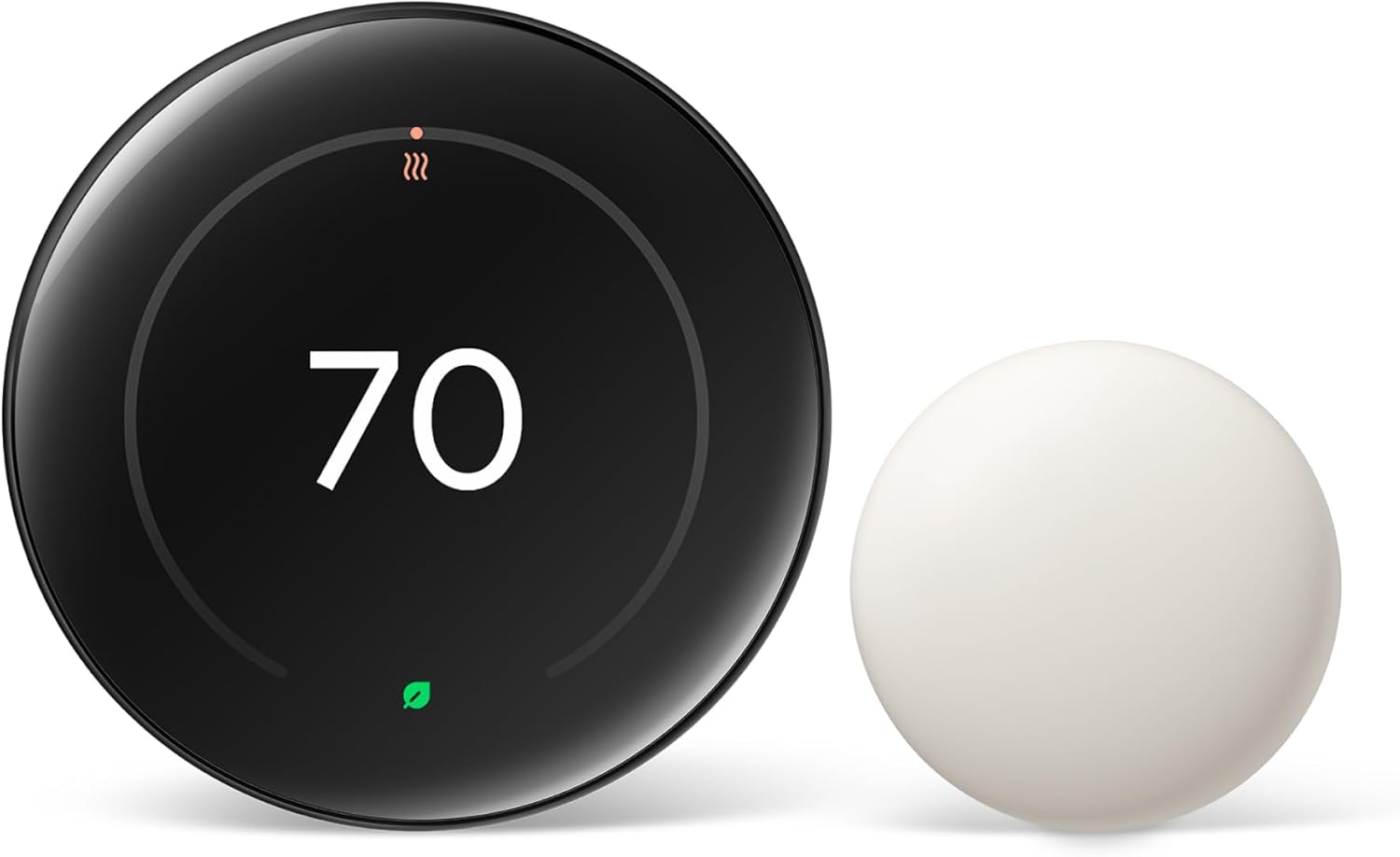
Google Nest Learning Thermostat (4th gen)
Check Price on Amazon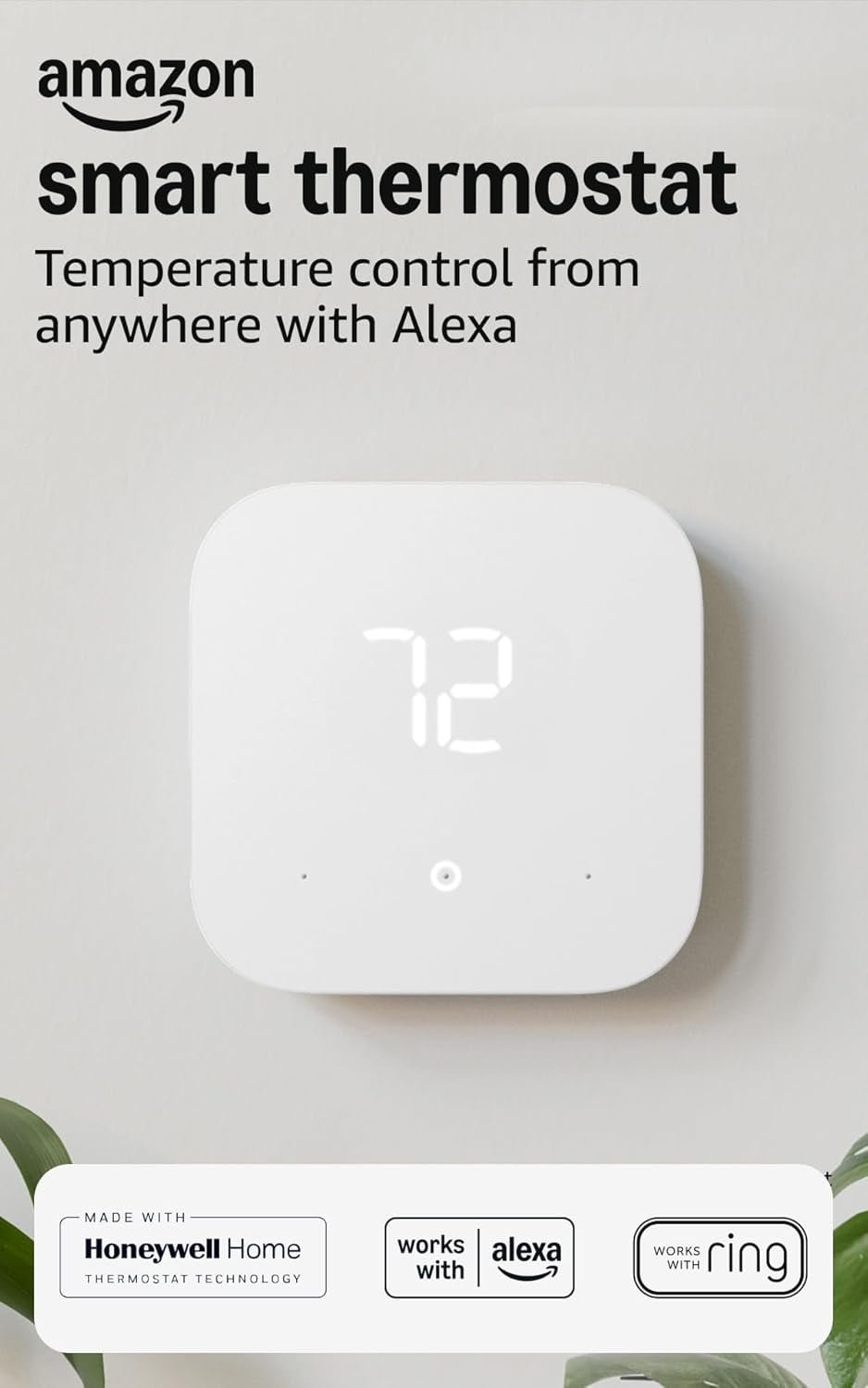
Amazon Smart Thermostat
Check Price on Amazon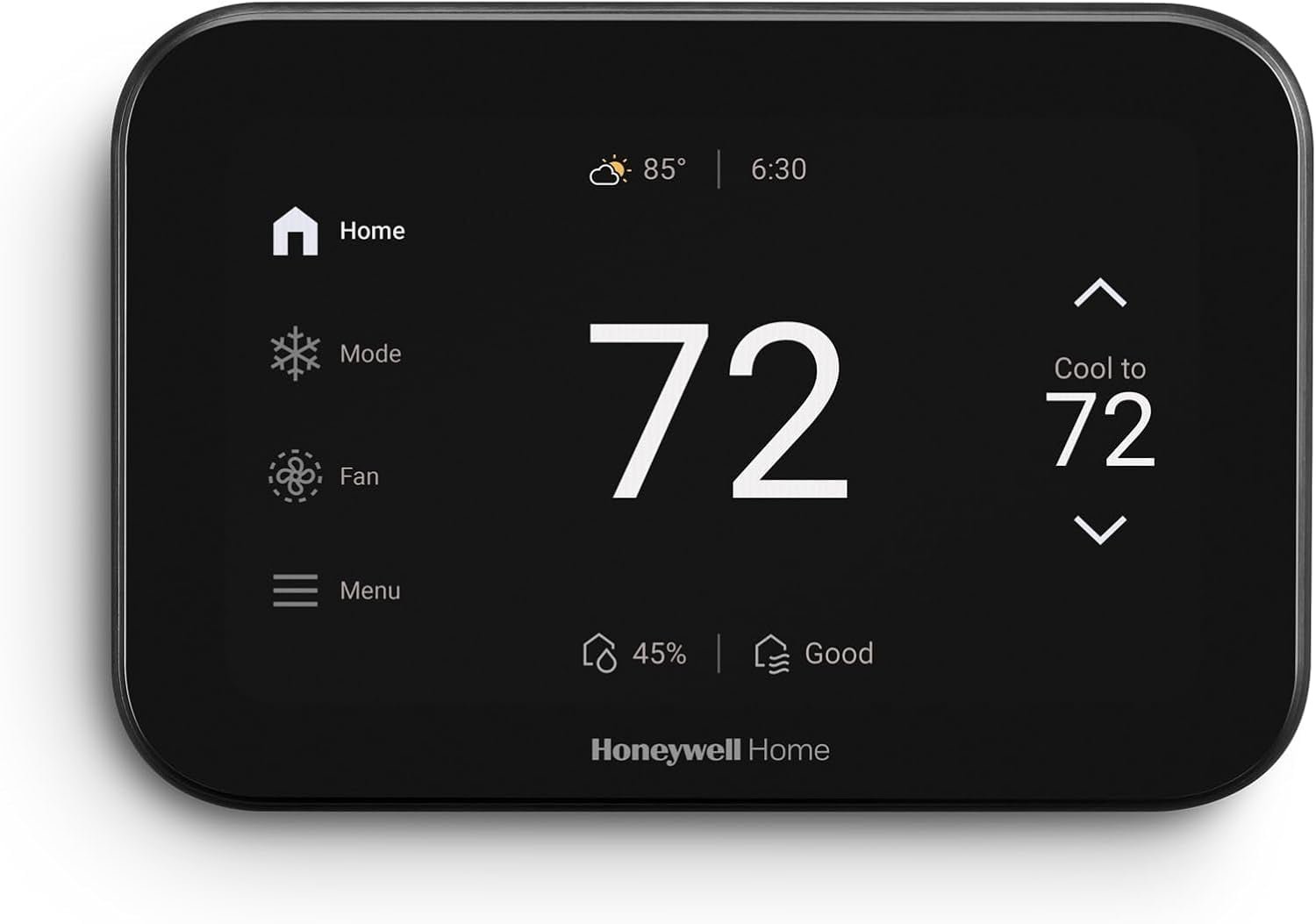
Honeywell Home X8S
Check Price on Amazon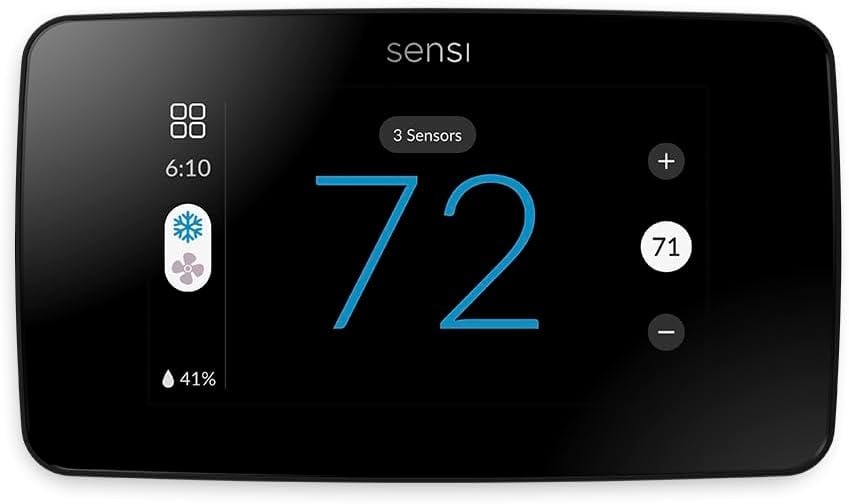
Sensi Touch 2
Check Price on Amazon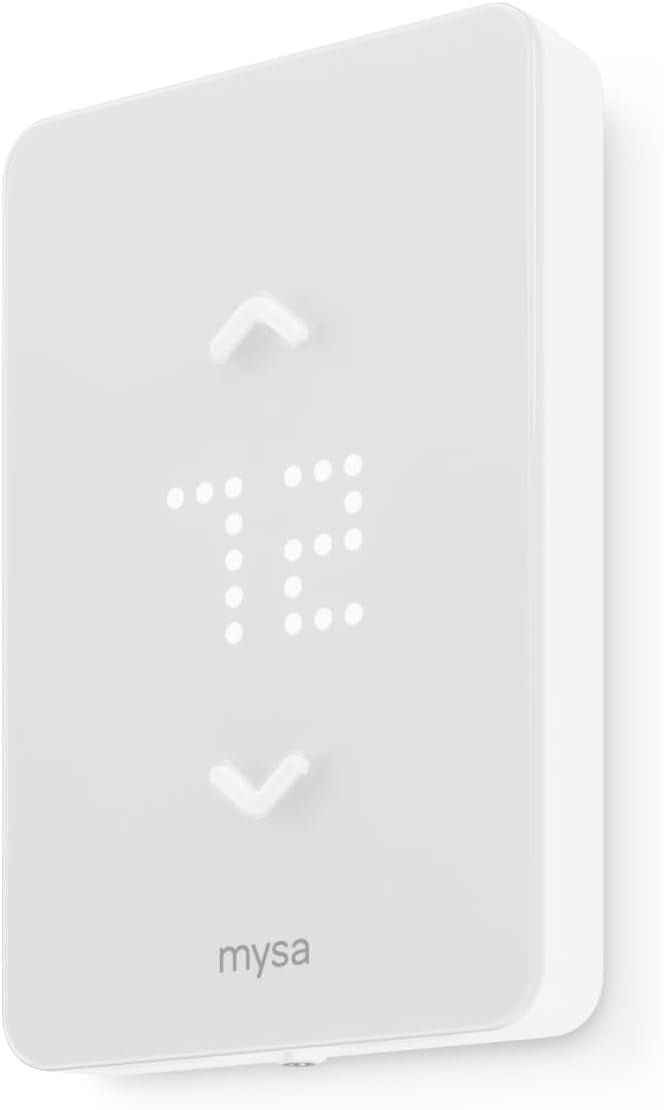
Mysa Smart Thermostat
Check Price on Amazon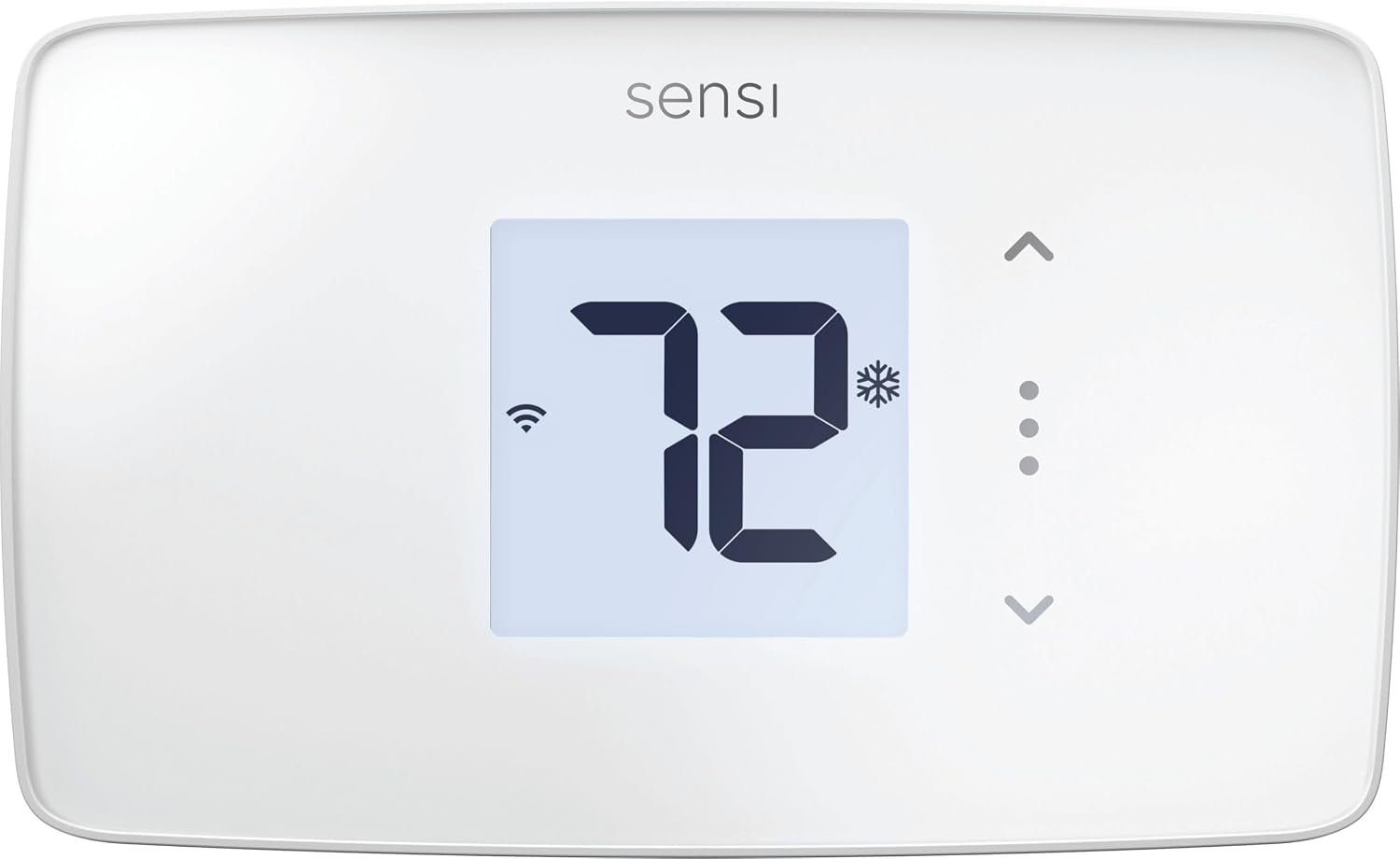
Sensi Lite
Check Price on Amazon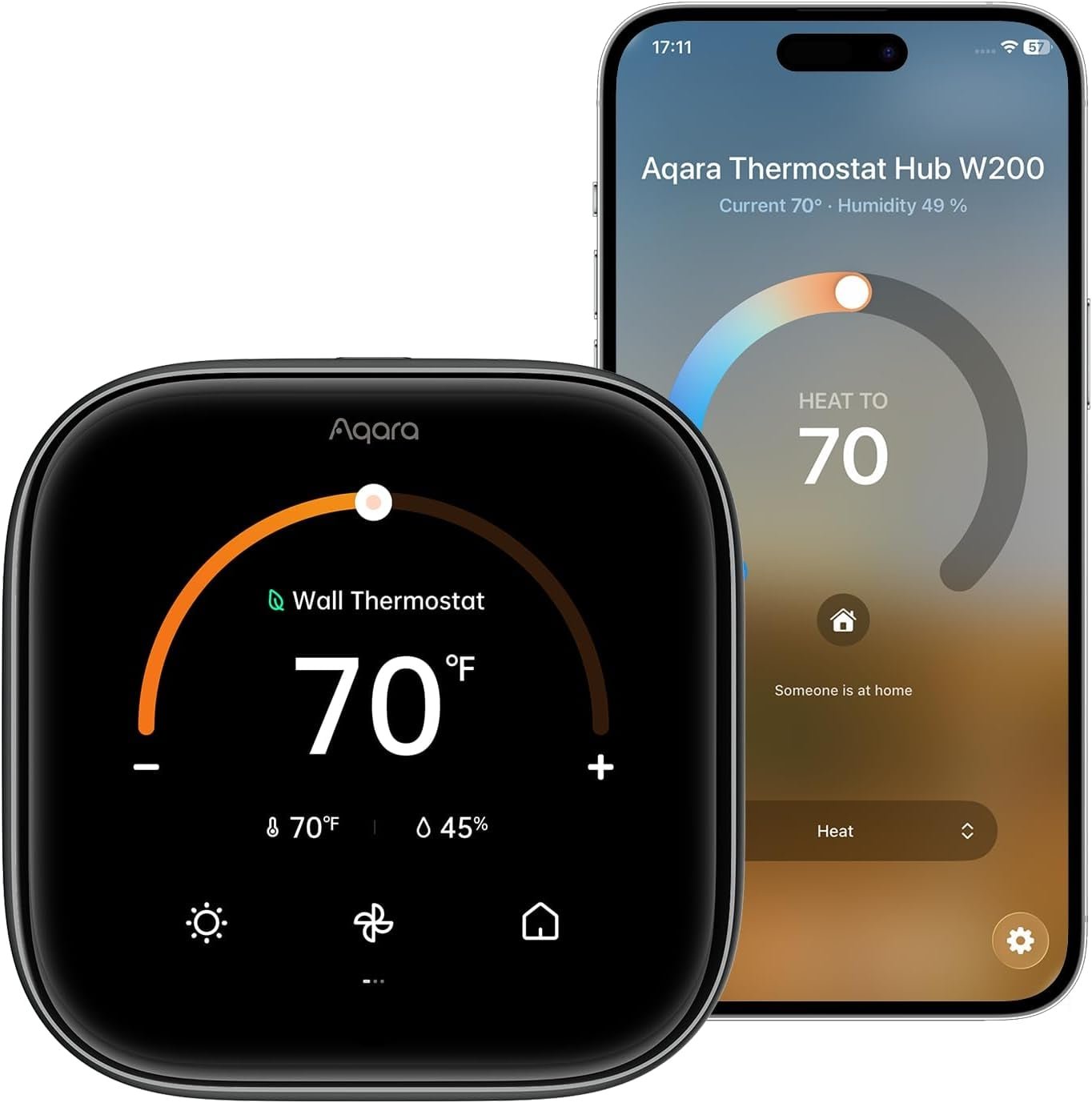
Aqara Smart Thermostat W200
Check Price on AmazonAt a Glance: Which Smart Thermostat Fits Your Home?
Choose ecobee Smart Thermostat Premium if you want a feature-rich central-HVAC thermostat with room sensing. Google Nest Learning Thermostat (4th gen) is the natural fit for a Google Home household. Amazon Smart Thermostat is the simple Alexa-focused option. Honeywell Home X8S is the large-touchscreen alternative. Sensi Touch 2 keeps the experience familiar and straightforward. Mysa is the specialist choice for compatible electric baseboard heat. Sensi Lite covers the value end of the market. Aqara Smart Thermostat W200 is the ecosystem-focused option for homes already investing in Aqara devices.
Before You Buy: Check Your HVAC System First
Do not start by choosing the prettiest thermostat. Start at the wall and the furnace or air handler. Confirm whether the system is low-voltage, line-voltage electric heat, millivolt, proprietary communicating equipment, or something else. Then identify the connected wires and whether a C-wire is present. Smart-thermostat compatibility is first an HVAC-control question, not an app question.
Heat pumps, multistage systems, humidifiers, dehumidifiers, and ventilators add another layer of compatibility. Use the thermostat manufacturer's compatibility checker before ordering, and if the existing wiring does not match the published diagrams, verify the system before connecting anything.
1. ecobee Smart Thermostat Premium — Best Feature-Rich Choice
ecobee Smart Thermostat Premium is aimed at homeowners who want more than basic scheduling. Its appeal is the combination of a polished wall control, connected HVAC management, room-sensor capability, and broad smart-home integration.
It makes the most sense when the extra features solve a real problem: uneven rooms, occupancy-based comfort, or a home where the thermostat needs to participate in a larger automation system.
The All Guy take: premium thermostats earn their price when you use the sensors and automation. If you only change the temperature twice a day, you may not need this much thermostat.
2. Google Nest Learning Thermostat (4th gen) — Best for Google Home
The fourth-generation Nest Learning Thermostat is the natural fit for homes already centered on Google Home. Its circular design keeps the familiar Nest look while adding a newer display and a more modern connected-home experience.
The practical buying question is not whether Nest looks good on the wall. It is whether your HVAC system is compatible and whether the people in the house already use Google Home enough to benefit from keeping climate control in the same ecosystem.
The All Guy take: ecosystem fit matters more than the thermostat's appearance. Nest makes the most sense when Google Home is already where the rest of the house lives.
3. Amazon Smart Thermostat — Best for Alexa Households
Amazon Smart Thermostat is the simpler ecosystem-first choice in this group. It is aimed at buyers who want connected scheduling and Alexa control without paying for a premium touchscreen or a bundle of extra sensors.
That simplicity is the point. Verify wiring and power requirements first, then decide whether Alexa integration and basic connected control cover what you actually want from the thermostat.
The All Guy take: if you already use Alexa everywhere and want the smart-home basics, this is the straightforward path. Buyers who want advanced room balancing should look elsewhere.
4. Honeywell Home X8S — Best Large Touchscreen
Honeywell Home X8S replaces the older T9 in this guide and is the better fit for buyers who want a modern, highly visible wall interface from a long-established HVAC-control brand. The customizable touchscreen is the center of the experience.
The X8S should still be treated like any other thermostat purchase: confirm system compatibility and required wiring before choosing it for the display or brand name alone.
The All Guy take: a big screen is useful when the thermostat itself is frequently used by the household. If everyone reaches for a phone instead, screen size matters a lot less.
5. Sensi Touch 2 — Best Straightforward Touchscreen
Sensi Touch 2 keeps the experience close to a familiar wall thermostat while adding app control, scheduling, alerts, and support for a more connected home. It is a good fit for buyers who want smart features without turning the thermostat into a home-control dashboard.
Pay attention to installation requirements, particularly the C-wire. A clean touchscreen experience is only useful if the thermostat is electrically compatible with the HVAC system behind it.
The All Guy take: Sensi Touch 2 is appealing when you want a modern thermostat that still behaves like a thermostat.
6. Mysa Smart Thermostat — Best for Electric Baseboard Heat
Mysa belongs in a separate category because it targets electric heating systems that many mainstream smart thermostats are not designed to control. That distinction is more important than any app feature or screen design.
If your home uses compatible electric baseboard or other supported line-voltage heating, Mysa gives you a route into connected scheduling and app-based climate control without trying to force a conventional 24-volt thermostat into the wrong job.
The All Guy take: this is the reminder that 'best smart thermostat' means nothing until you know what type of heating system is actually in the wall.
7. Sensi Lite — Best Value Pick
Sensi Lite is the budget-oriented option for homeowners who want remote control, scheduling, and smart-home convenience without paying for a large color touchscreen.
That makes it attractive for straightforward HVAC setups where the goal is simple: control the temperature remotely, build a sensible schedule, and gain a few useful connected features without overcomplicating the system.
The All Guy take: if the goal is remote temperature control and a sane schedule, you do not automatically need the most expensive thermostat in the aisle.
8. Aqara Smart Thermostat W200 — Best for Aqara Smart Homes
Aqara Smart Thermostat W200 is the ecosystem-focused pick in this guide. It is most interesting for buyers who are already building around Aqara devices and want climate control to live in the same connected-home environment.
As with every thermostat here, the first question is compatibility with the actual HVAC system. The second is whether Aqara is already a meaningful part of your smart-home setup. If both answers line up, the W200 becomes much more compelling.
The All Guy take: ecosystem products make the most sense when they reduce friction. If you already use Aqara around the house, adding another device to the same system can be more valuable than chasing one isolated specification.
Room Sensors: When They Are Actually Worth It
Remote sensors are useful when the wall thermostat sits in a hallway that does not represent the rooms people actually occupy. A bedroom above the garage, a sunny office, or a finished basement can run noticeably warmer or cooler than the thermostat location.
Sensors do not fix bad duct design, poor insulation, oversized equipment, or blocked airflow. They can make control smarter, but they cannot create heating or cooling capacity the house does not have.
C-Wires, Adapters, and Installation
Turn off HVAC power before removing an existing thermostat. Photograph the original wiring, label each conductor by terminal, and do not assume wire color tells you what the wire does. If the system is proprietary, line-voltage, millivolt, or uses terminals that do not match the manufacturer's compatibility guide, stop and verify before connecting a smart thermostat.
Some thermostats support power adapters for homes without a C-wire. Those adapters can solve a power problem, but they do not change the underlying HVAC compatibility.
Smart-Home Ecosystems Matter More Than Logo Lists
A thermostat becomes easier to live with when it fits the smart-home ecosystem the household already uses. Google Nest is a natural Google Home choice, Amazon's thermostat is built around Alexa, Aqara makes the most sense inside an Aqara-focused setup, and ecobee, Honeywell Home, and Sensi appeal to buyers looking for broader connected-home flexibility.
For the rest of the front-door and security side of the same smart-home cluster, compare our Best Smart Locks of 2026 and Best Video Doorbells in 2026 guides.
Smart Thermostats and Energy Savings
Actual energy savings depend on climate, insulation, HVAC efficiency, existing schedules, occupancy, and how aggressively the thermostat changes setpoints. The useful question is whether the thermostat helps you avoid heating or cooling an empty house while keeping occupied rooms comfortable.
Bottom Line
There is no single smart thermostat that fits every house. ecobee Smart Thermostat Premium and Google Nest Learning Thermostat (4th gen) target feature-rich connected homes, Amazon Smart Thermostat and Sensi Lite cover simpler use cases, Honeywell Home X8S and Sensi Touch 2 emphasize wall controls, Mysa serves compatible electric heating, and Aqara W200 adds another ecosystem-focused option. Start with HVAC compatibility, then choose the thermostat whose controls and ecosystem match the way your household actually lives.
This post may contain affiliate links. We may earn a commission when you purchase through links on this site at no additional cost to you.


