
This article contains affiliate links. We may earn a commission from qualifying purchases.
As an Amazon Associate I earn from qualifying purchases.
Overlanding gear can get expensive fast. Spend a few minutes looking at fully built trucks online and it can seem like you need a rooftop tent, winch, refrigerator, solar panels, drawer system, auxiliary batteries and thousands of dollars of accessories before you can leave pavement.
You don't.
The best overlanding gear is equipment that solves a real problem: getting unstuck, repairing a tire, communicating when cell service disappears, keeping important equipment powered, carrying water or helping you and your vehicle get home safely.
The All Guy takeaway: Capability first. Safety second. Reliability always. Comfort next. Appearance last.
If you're completely new to this type of travel, start with our Overlanding for Beginners: The Complete Gear and Setup Guide for 2026 first. This guide focuses more heavily on the gear that earns a place in the vehicle.
As an Amazon Associate I earn from qualifying purchases. Product recommendations here are based on current specifications, intended use, product information and practical fit for different travelers. We do not claim hands-on testing unless an article specifically says otherwise.
The Best Overlanding Gear in 2026
Gear | Best For | Priority |
|---|---|---|
MAXTRAX MKII Recovery Boards | Self-recovery in loose terrain | High |
ARB Portable Twin Air Compressor | Airing up truck and off-road tires | Very high |
NOCO Boost X GBX55 | Dead-battery emergencies | Very high |
Midland MXT275 MicroMobile | Convoy and trail communication | Medium to high |
Garmin inReach Messenger Plus | Communication beyond cell coverage | Trip dependent |
Jackery Explorer 1000 v2 | Camp power and electronics | Medium |
Dometic CFX5 45 | Multi-day refrigeration | Medium |
How We Chose These Overlanding Essentials
This is not a ranking of whichever products have the longest feature lists. We focused on the problems an overlanding vehicle actually needs to solve: tire pressure, traction, vehicle recovery, mechanical issues, dead batteries, group communication, emergency communication, electrical power, food storage, lighting, first aid, fire safety, hydration and cargo organization.
For featured products, we focus on how well the product fits a real use case and separate manufacturer specifications from our editorial judgment. The right choice still depends on your vehicle, tire size, terrain, trip length and how far you travel from services.
1. MAXTRAX MKII Recovery Boards
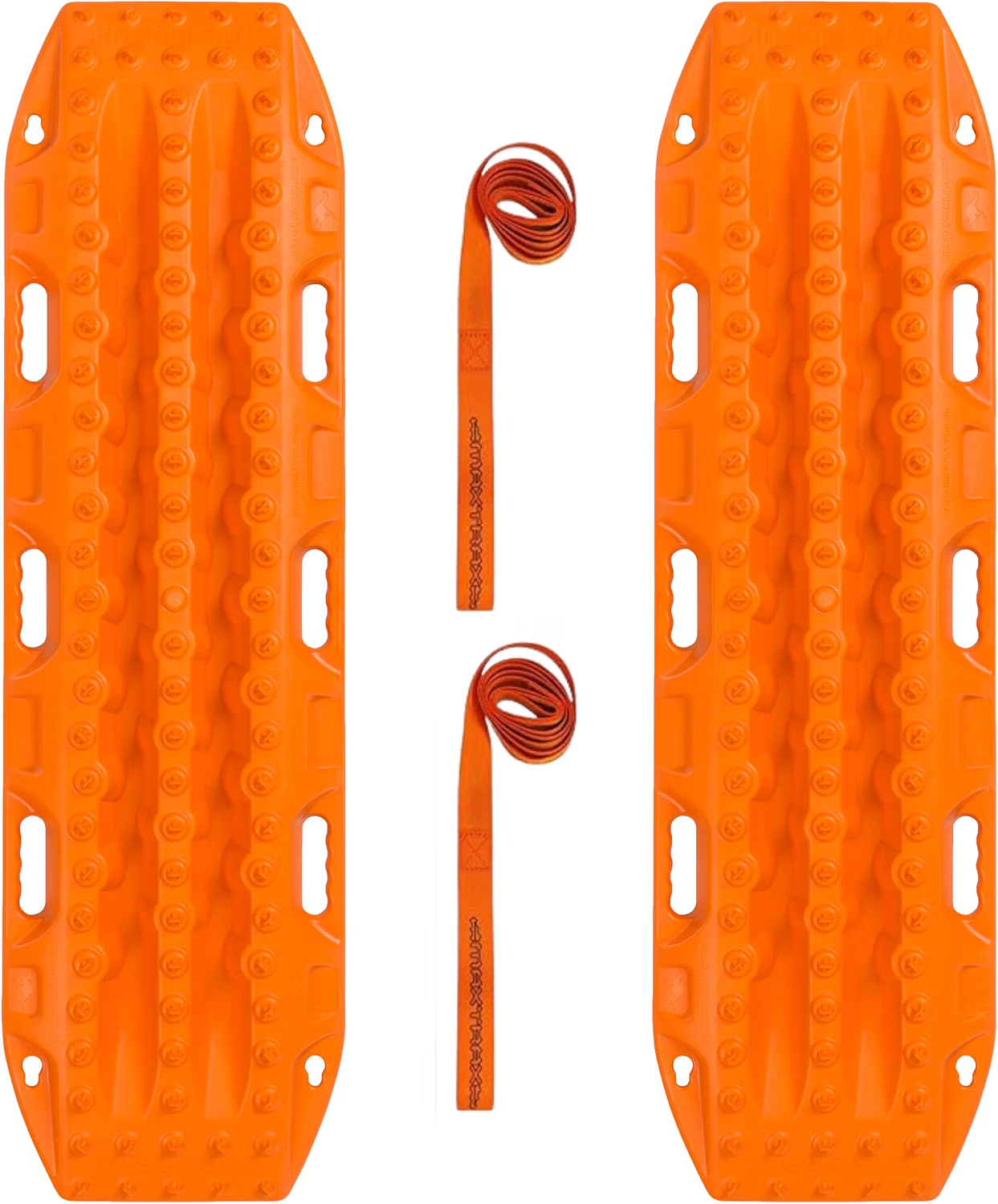
Best for simple self-recovery in sand, mud and snow
Recovery boards are one of the easiest recovery tools to understand. When a driven tire is spinning without enough traction, a board can provide a firm surface for the tire to climb onto.
The MAXTRAX MKII is a strong fit for someone who regularly travels on loose terrain and wants a recovery option that does not require electrical power or another vehicle. Full-size boards are bulky, so plan how they will be stored before buying them.
Recovery boards are not magic. Sometimes you still need to dig around the tire, clear material from underneath the vehicle and use careful throttle input. That is why a shovel belongs in the same system.
2. ARB Portable Twin Air Compressor (CKMTP12)
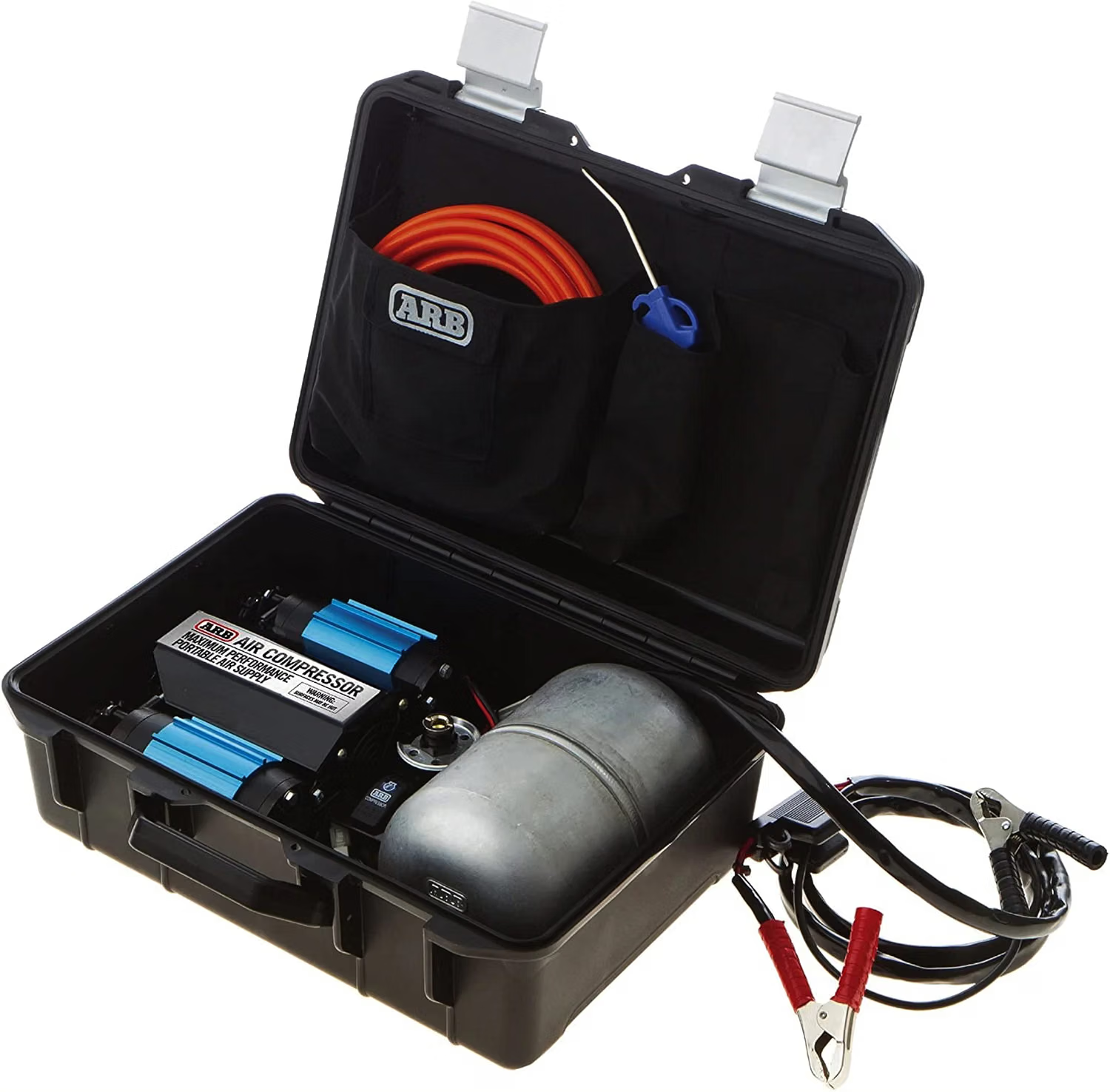
Best premium compressor for larger truck and off-road tires
A good compressor is one of the first pieces of overlanding gear I would buy. If you air down for loose terrain or rough roads, you eventually need to return the tires to appropriate road pressure.
ARB's CKMTP12 Portable Twin sits on the high-output end of portable 12V compressors. It makes the most sense for larger tires, repeated inflation jobs and owners willing to trade extra size and power demand for faster inflation.
Do not shop by maximum PSI alone. For truck tires, airflow, duty cycle, heat management, power connection, hose reach and real inflation time are usually more meaningful.
3. Tire Deflator and Accurate Pressure Gauge
The compressor handles only half of tire-pressure management. A reliable gauge and deflator make it much easier to reduce pressure intentionally and repeatably.
There is no universal off-road PSI. Appropriate pressure changes with vehicle weight, tire construction, wheel size, load, terrain and speed. Learn how your own vehicle behaves rather than copying another truck's number from social media.
4. Tire Repair Kit
A spare tire matters, but so does having another option for an appropriate repairable puncture. A tire-repair kit can be compact, inexpensive and extremely useful when paired with a compressor.
Practice using the equipment at home before you need it. A remote trail is a bad place to read the instructions for the first time. A repair kit does not replace a serviceable spare, especially for sidewall damage, wheel damage or major tire failure.
5. Kinetic Recovery Rope
A kinetic recovery rope is designed to stretch under an appropriate recovery load and can be useful when another properly equipped vehicle is available.
Recovery forces can be enormous. Use equipment that is properly rated for the vehicles and recovery method, and connect only to suitable recovery points. If you are new to recovery, correct technique is more valuable than buying the most expensive rope on the shelf.
6. Soft Shackles
Soft shackles have become common because they are lightweight, compact and can replace some bulky metal recovery hardware in appropriate applications.
Look for clearly documented ratings from a reputable manufacturer and inspect recovery equipment for damage before use. This is not a category where an unknown bargain product is worth the risk.
7. A Real Shovel
A shovel is not exciting, but it can solve problems that expensive accessories cannot. It can clear sand from around a buried tire, remove mud beneath an axle, move snow and create space for recovery-board placement.
A folding shovel saves room. A larger shovel moves considerably more material. Choose based on available storage and the terrain you actually encounter.
8. NOCO Boost X GBX55 Jump Starter
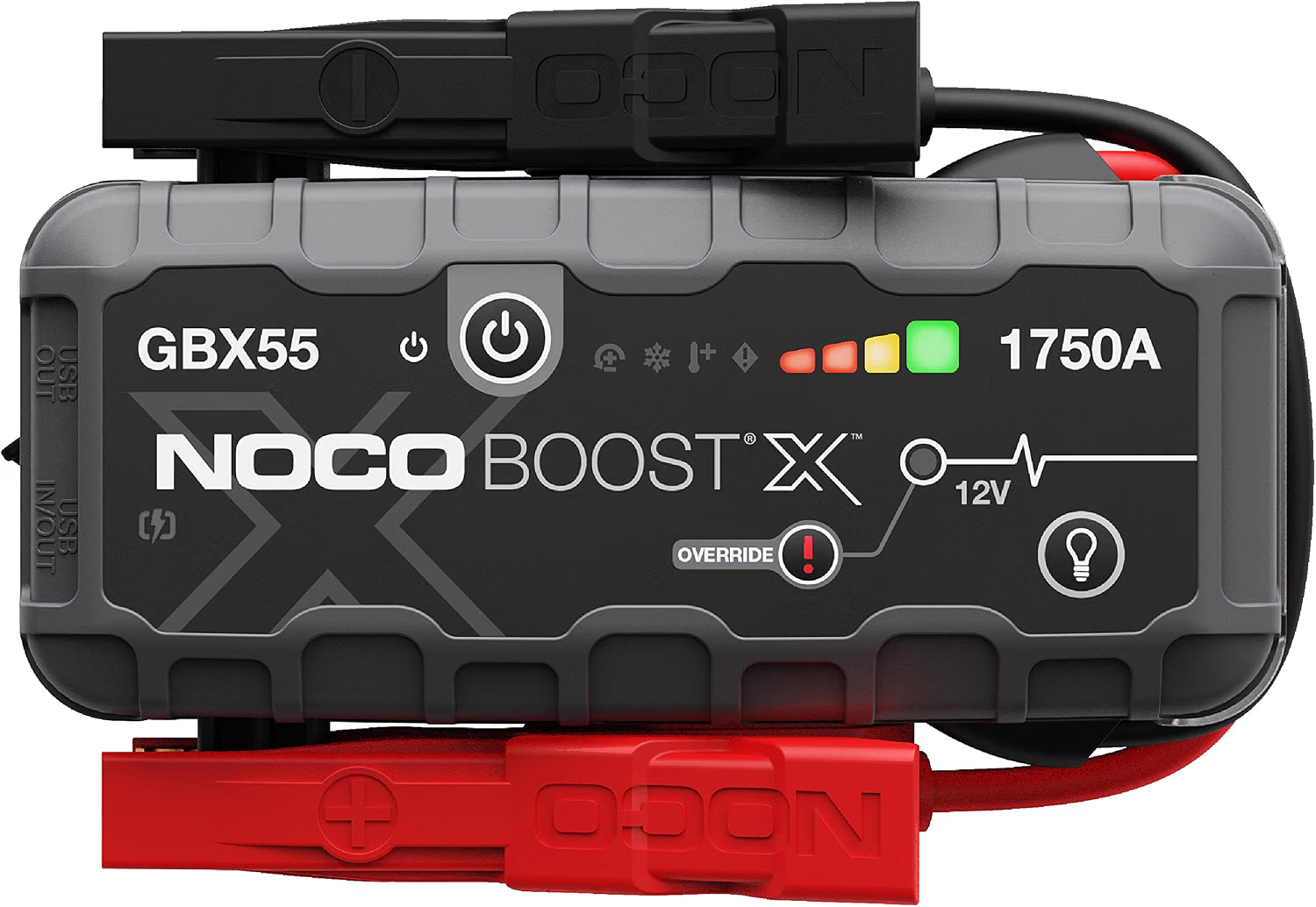
Best for battery emergencies
A portable lithium jump starter makes sense even if you never leave pavement. A dead battery can stop a trip in a remote campsite or a grocery-store parking lot.
The NOCO Boost X GBX55 is a compact option for many gasoline and diesel vehicles, but the important step is matching any jump starter to your engine and electrical system rather than buying by physical size alone. Keep it charged so it is ready when needed.
9. Vehicle-Specific Tool Kit
You do not need to carry an entire mechanics toolbox. You need tools that fit the fasteners and basic service points on your vehicle.
Sockets, ratchet and combination wrenches
Screwdrivers, pliers and vehicle-specific Torx or hex bits
Electrical tape, zip ties, spare fuses and a multimeter
Work gloves and a utility knife
Spend time looking at your truck before building the kit. Knowing which tools you need is more valuable than carrying 200 tools you never use.
10. Midland MXT275 MicroMobile GMRS Radio
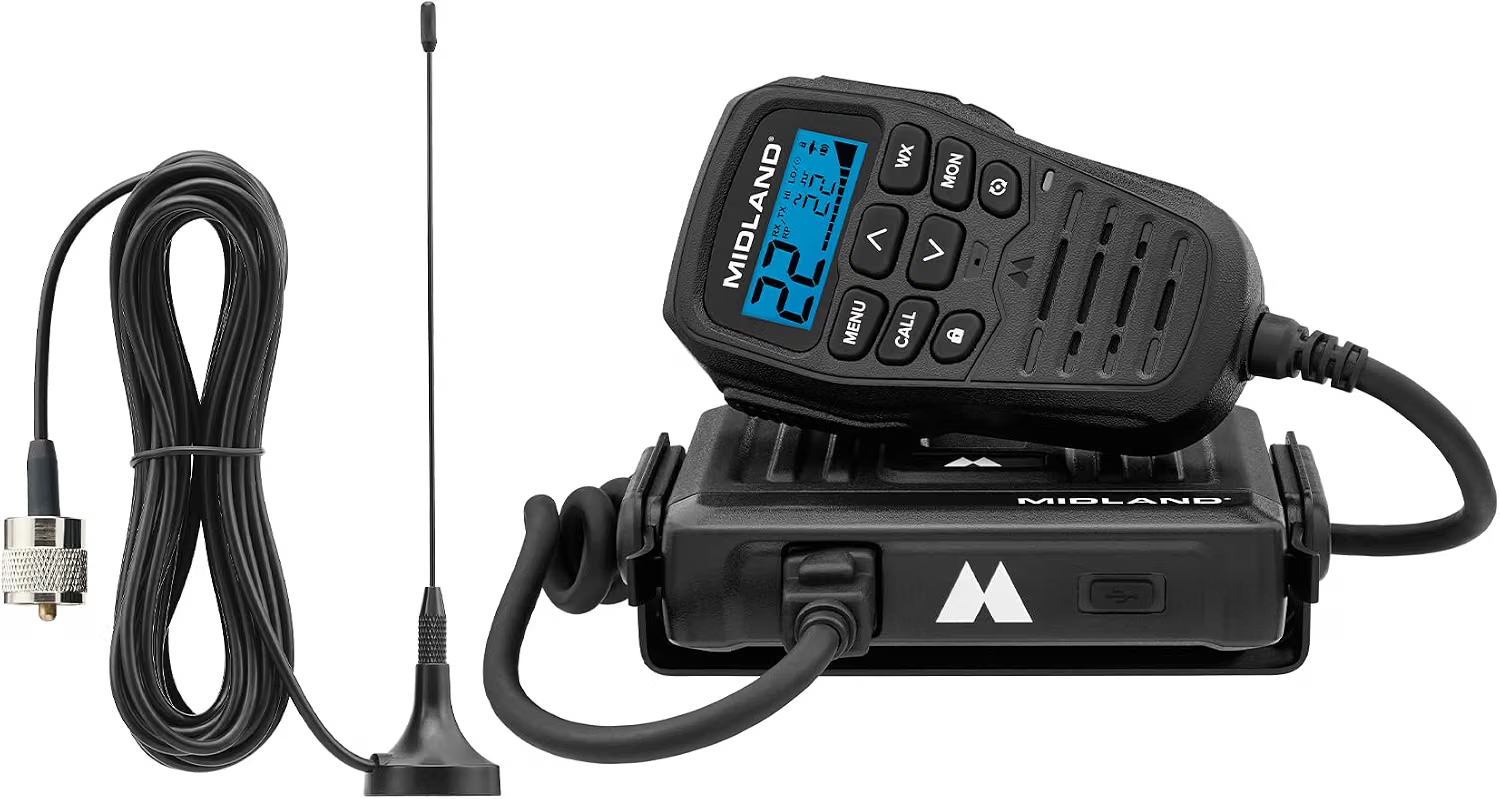
Best for trail groups and vehicle convoys
Cell phones are excellent until service disappears. GMRS is useful when several vehicles are traveling together and drivers need to discuss turns, hazards, obstacles, stops or mechanical problems.
The Midland MXT275 is approachable because the controls are integrated into the microphone and the main radio body can be mounted out of sight. It is a practical step up from handheld radios without requiring a large dashboard installation.
GMRS use in the United States is subject to FCC licensing requirements. It is also different from satellite communication, so a local radio is not a replacement for an emergency communicator when nobody else is nearby.
11. Garmin inReach Messenger Plus
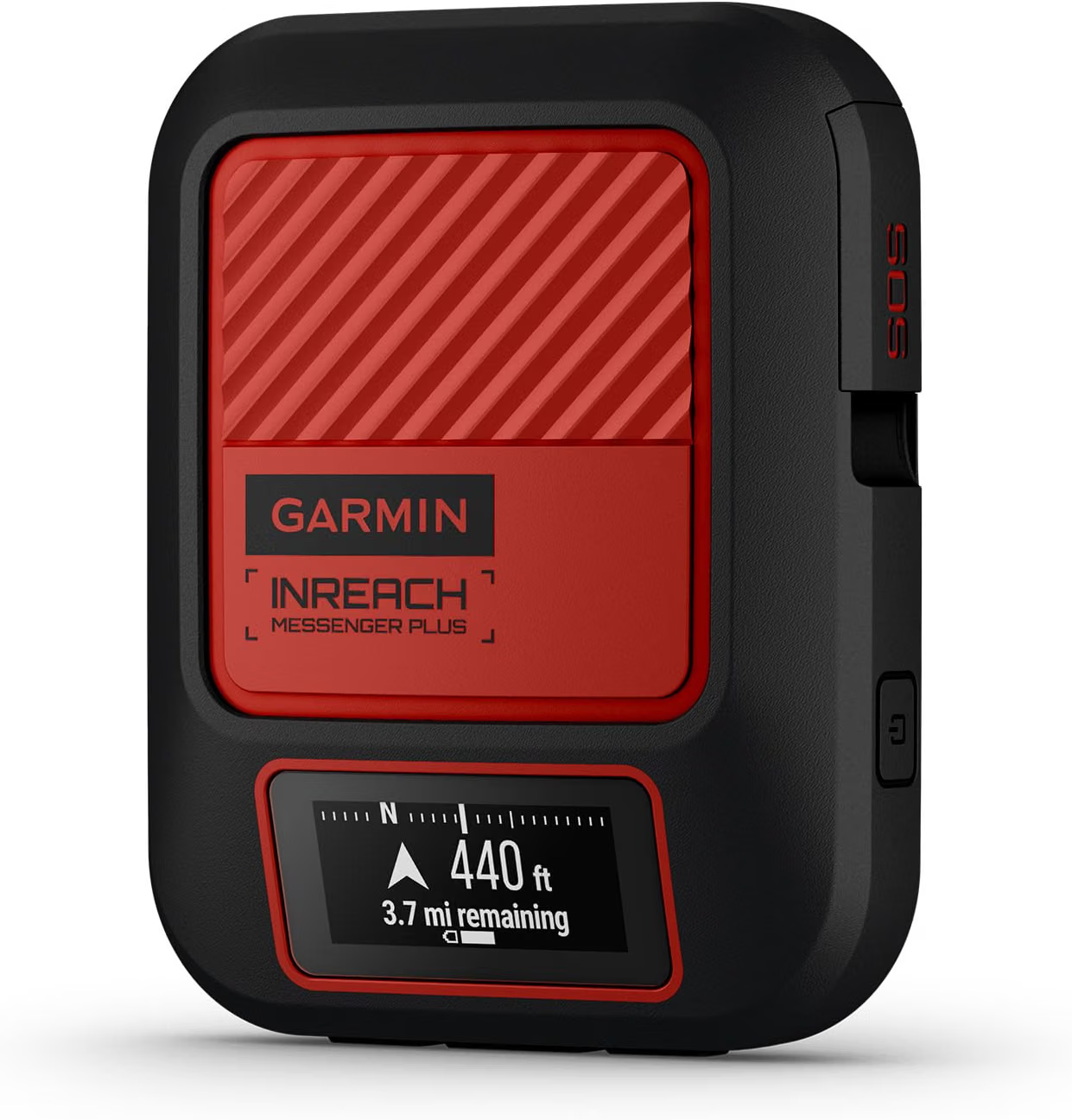
Best for genuinely remote travel
Satellite communication becomes more valuable as the consequences of losing cell service increase. Someone camping near town has very different needs from someone traveling alone for days through remote country.
The Garmin inReach Messenger Plus supports satellite messaging and, with compatible service, emergency SOS communication. Budget for the service plan as part of the product because satellite communication is not simply a one-time hardware purchase.
12. Jackery Explorer 1000 v2
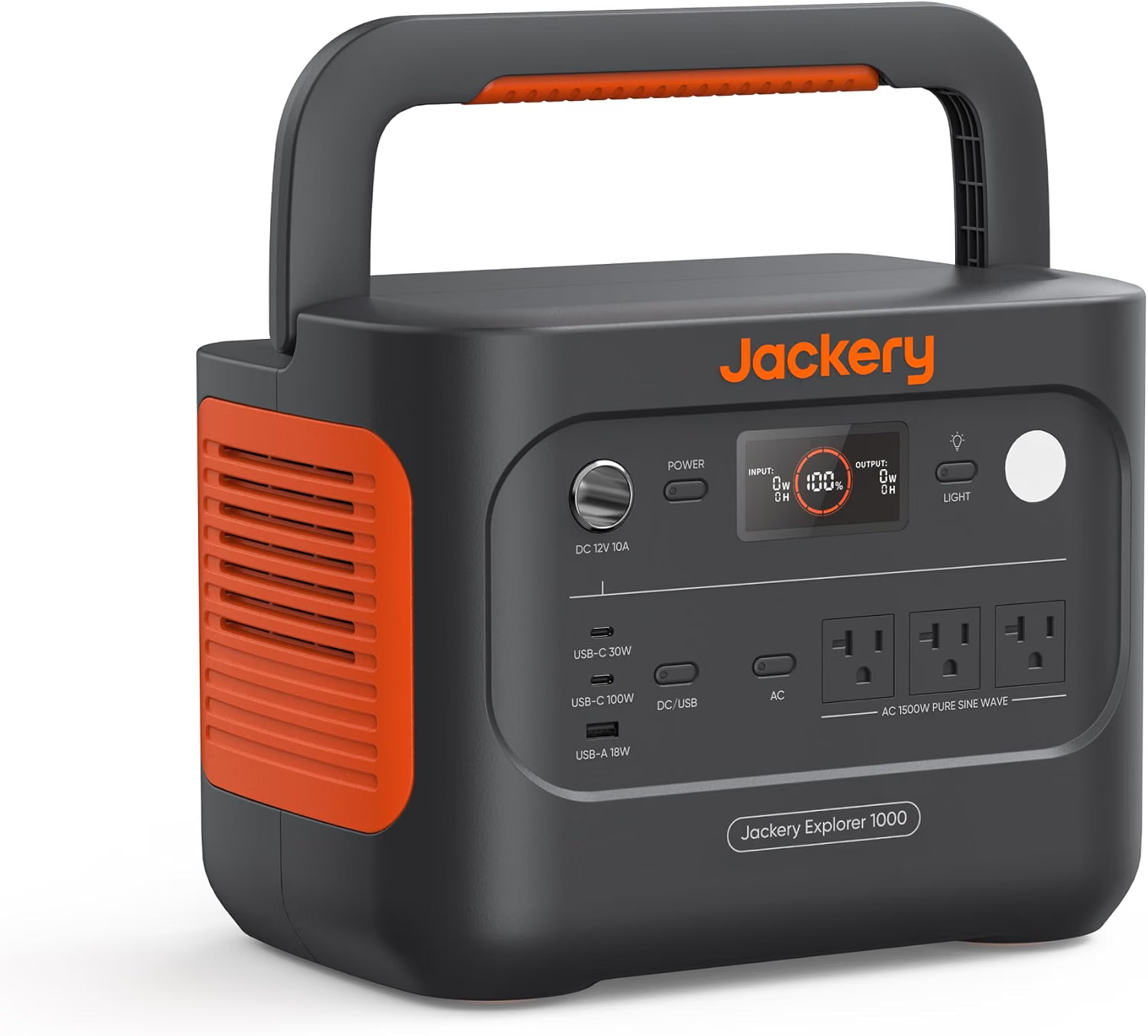
Best for camp electronics and moderate off-grid power
Portable power is where The All Guy's tech and overlanding coverage overlap naturally. The mistake is choosing a battery before figuring out what you need to power.
The Jackery Explorer 1000 v2 sits in the roughly 1kWh class, making it a useful type of system for phones, cameras, laptops, camp lighting and, depending on the complete power budget, refrigeration and other campsite electronics.
Before buying any power station, list your loads and estimate daily energy use. Someone charging two phones has very different requirements from someone running a fridge and Starlink for several days.
13. Dometic CFX5 45
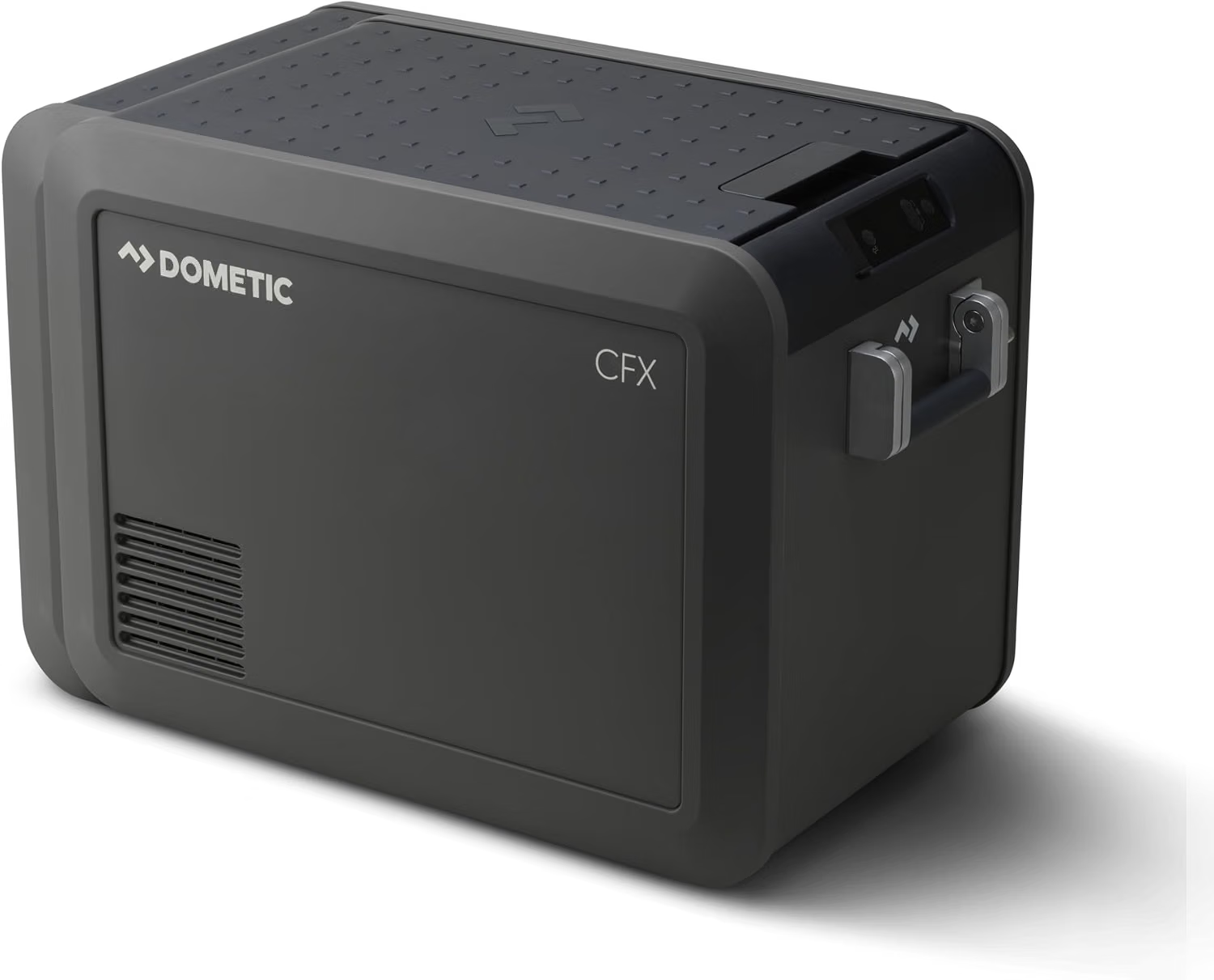
Best for multi-day refrigeration
A powered 12V refrigerator is not necessary for a first overlanding trip, but it becomes attractive once you get tired of buying ice, draining coolers and dealing with soggy food packaging.
The Dometic CFX5 45 replaces the older CFX3 45 in this guide. It is aimed at vehicle-based camping where reliable powered cooling and rugged portability matter more than the simplicity of a traditional ice chest.
Plan the fridge and power system together. Ambient temperature, fridge settings, trip length, driving time, battery capacity and solar input all affect how long the setup can operate away from shore power.
14. Flashlight and Headlamp
Your phone should not be your only light source. A proper flashlight helps with tire inspection, repairs, camp setup and roadside emergencies, while a headlamp keeps both hands available.
For dedicated recommendations, see our Best EDC Flashlights in 2026 guide.
15. First-Aid Kit
The people in the truck matter more than the accessories bolted to it. Carry a first-aid kit appropriate for your group size, trip duration, destination, activities and personal medical needs.
Owning supplies is not the same as knowing how to use them. A legitimate first-aid or wilderness first-aid course can provide more real capability than another expensive vehicle accessory.
16. Vehicle Fire Extinguisher
Overlanding brings fuel, electrical systems, batteries, hot components and camp cooking equipment into the same environment. A properly selected and securely mounted extinguisher is sensible safety equipment.
Different extinguishing agents and ratings fit different hazards. Mount the extinguisher where it is accessible and follow the manufacturer's inspection and replacement guidance.
17. Water Storage
The farther you travel from services, the more important water becomes. A rugged portable container is enough for many beginners; you do not need a permanent tank immediately.
Plan for drinking, cooking, cleanup, heat, trip length, passengers and unexpected delays. Keeping a separate emergency reserve is a simple way to avoid accidentally consuming your entire safety margin.
18. Modular Gear Storage
Permanent drawer systems look great, but they are heavy and expensive. Beginners can learn a lot by starting with modular bins or weather-resistant cases organized by function.
Keep recovery gear together, tire and tool equipment together, camp equipment together and emergency supplies accessible. After several trips, the storage problems that repeat themselves will tell you whether a permanent drawer system is actually worth buying.
What Overlanding Gear Should You Buy First?
If you are starting with an almost-stock vehicle, build in stages.
Stage 1: Safety and reliability
Appropriate tires in good condition and a serviceable spare
Jack, basic tools, first aid, water and lighting
Navigation and offline maps
Stage 2: Tire and recovery capability
Portable compressor, gauge, deflator and tire repair kit
Recovery boards, shovel and properly rated recovery equipment
Stage 3: Communication and emergency preparedness
Jump starter and additional emergency lighting
GMRS when traveling with others
Satellite communication when trip remoteness justifies it
Stage 4: Camp capability
Portable power and refrigeration
More water capacity and better cargo organization
Stage 5: Permanent upgrades
Only after you understand your trips should you seriously consider a winch, onboard air, auxiliary batteries, permanent drawers, roof racks, rooftop tents, awnings, onboard water and larger solar systems.
Do You Need a Winch?
Not necessarily. A winch becomes easier to justify if you regularly travel alone, through difficult terrain or into places where traction boards, digging and another recovery vehicle may not be enough.
For many beginners on moderate roads, recovery boards, a shovel and properly selected recovery equipment are the more logical first step.
Do You Need a Rooftop Tent?
No. Rooftop tents are convenient and recognizable, but they are not a requirement for overlanding. A ground tent costs less, weighs less, does not consume roof-rack capacity and can remain at camp while the vehicle leaves.
Take several trips with the shelter you already own. If setup and teardown repeatedly become one of the biggest frustrations, then a rooftop tent starts solving a real problem.
How Much Should You Spend on Overlanding Gear?
There is no useful universal budget because capability and comfort are different spending categories. Spend first on equipment that reduces the chance of being stranded, helps solve common vehicle problems or addresses something you have repeatedly experienced on trips.
Our First Five Purchases
Air compressor plus accurate tire-pressure equipment
Tire repair kit and a serviceable spare
Recovery boards and a shovel
First aid, water and emergency equipment
Communication appropriate to the remoteness of the trip
Then take the vehicle somewhere. Let the next trip decide purchase number six.
Frequently Asked Questions
What is the most important overlanding gear for beginners?
Start with vehicle reliability, a good spare tire, tire-pressure equipment, tire repair, basic recovery gear, water, first aid, navigation and emergency lighting. Comfort accessories should come later.
Do I need recovery boards if I have four-wheel drive?
Four-wheel drive improves capability but does not make a vehicle immune to sand, mud, snow or poor traction. Recovery boards can still provide a useful self-recovery option.
Is a portable power station necessary for overlanding?
No. It becomes useful when your trip includes enough electronics, refrigeration or camp equipment to justify a dedicated energy system. Size the battery around actual loads rather than buying the largest station you can afford.
Should I buy a fridge or a cooler first?
A cooler is cheaper and works well for shorter trips. A powered 12V refrigerator becomes more attractive when trips get longer and repeated ice management starts becoming inconvenient.
Build Your Overlanding Rig One System at a Time
The best overlanding setup is not the vehicle with the most accessories. It is the one that reliably supports the trips you actually take.
Start with reliability. Add tire and recovery capability. Improve communications and emergency preparedness. Then make camp more comfortable with refrigeration, power, storage and specialized camping equipment.
If you are still planning your first trip, continue with Overlanding for Beginners: The Complete Gear and Setup Guide for 2026.
Next in this cluster: Best Portable Air Compressors for Overlanding, Best Recovery Boards for Overlanding, Best Portable Power Stations for Overlanding, Best GMRS Radios for Overlanding, Best 12V Fridges for Overlanding, Best Overlanding Recovery Gear, Best Truck Accessories and Best Vehicle Emergency Gear.
The goal is not to own the most gear. It is to build a vehicle that reliably gets you there, supports you while you're there and gets you home.
This post may contain affiliate links. We may earn a commission when you purchase through links on this site at no additional cost to you.


