
This article contains affiliate links. If you buy through one of these links, The All Guy may earn a commission at no additional cost to you. Rankings are research-based and combine current independent testing, manufacturer specifications, and product positioning. Not all seven tires have been tested head-to-head in the same comparison.
As an Amazon Associate I earn from qualifying purchases.
If your winter is a mix of cold rain, slush, wet highways, and real snow, choosing an all-weather tire gets more complicated than simply looking for the Three-Peak Mountain Snowflake symbol. Some all-weather tires are exceptional in rain but only average in snow. Others are outstanding in snow but give up wet braking or dry-road precision.
For this guide, we prioritized the combination that matters most in mixed winter climates: wet braking, wet handling, snow traction, hydroplaning resistance, comfort, tread-life coverage, and the ability to stay on the vehicle year-round.
The ranking is research-based and uses current independent test data where available. Michelin, Pirelli, Nokian, Bridgestone WeatherPeak, and the previous Goodyear WeatherReady were tested together by Car and Driver. Newer replacements and additional tires—including Bridgestone UltraWeather, Continental SecureContact AW, Goodyear WeatherReady2, and Vredestein Quatrac Pro+—are evaluated using newer Tire Rack testing and current manufacturer specifications. Because not all seven have been tested in the same head-to-head event, the order below is an editorial buying ranking rather than a single controlled-test leaderboard.
For the broader category, see our Best All-Weather Tires for 2026. For the three most heavily researched contenders, see our Michelin vs Nokian vs Pirelli comparison.
Best All-Weather Tires for Snow and Rain: Quick Picks
Rank | Tire | Best For | Main Tradeoff |
|---|---|---|---|
1 | Michelin CrossClimate2 | Best rain + snow balance | Firm ride and premium price |
2 | Pirelli Cinturato WeatherActive | Best overall road balance | Snow trails the strongest winter-biased options |
3 | Bridgestone UltraWeather | Best new snow-focused contender | Newer tire with less long-term owner data |
4 | Continental SecureContact AW | Best new wet-focused alternative | Limited long-term independent snow data |
5 | Nokian Remedy WRG5 | Snow + durability + potholes | Weak wet braking in independent testing |
6 | Goodyear Assurance WeatherReady2 | Comfortable mainstream all-weather option | Less direct current snow-and-rain comparison data |
7 | Vredestein Quatrac Pro+ | Wet-focused value alternative | Smaller U.S. test and dealer footprint |
TOP THREE PICKS
Michelin leads for rain and snow balance, Pirelli for all-around road performance, and Bridgestone as the strongest new snow-focused contender.
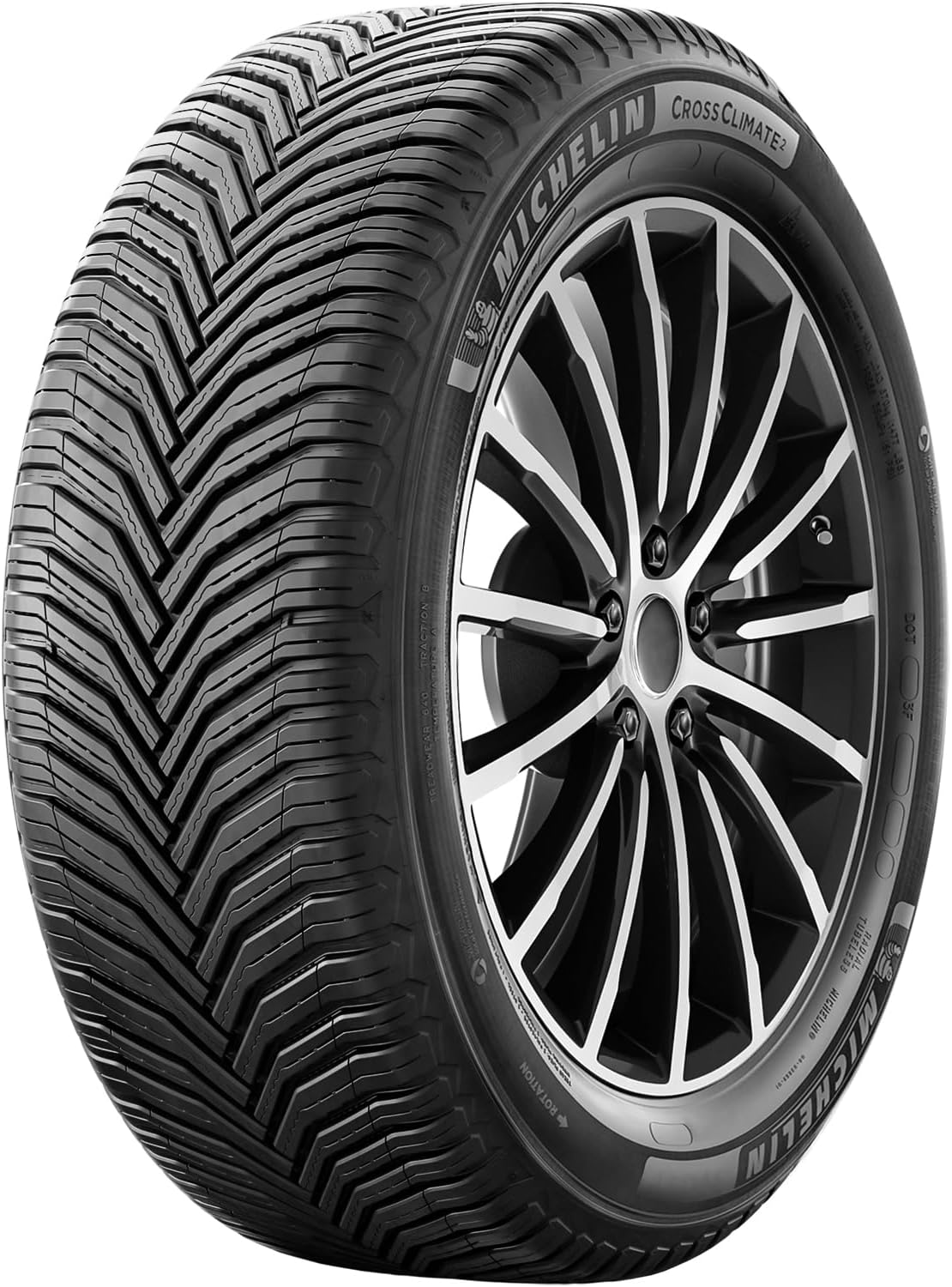
Michelin CrossClimate2
View on Amazon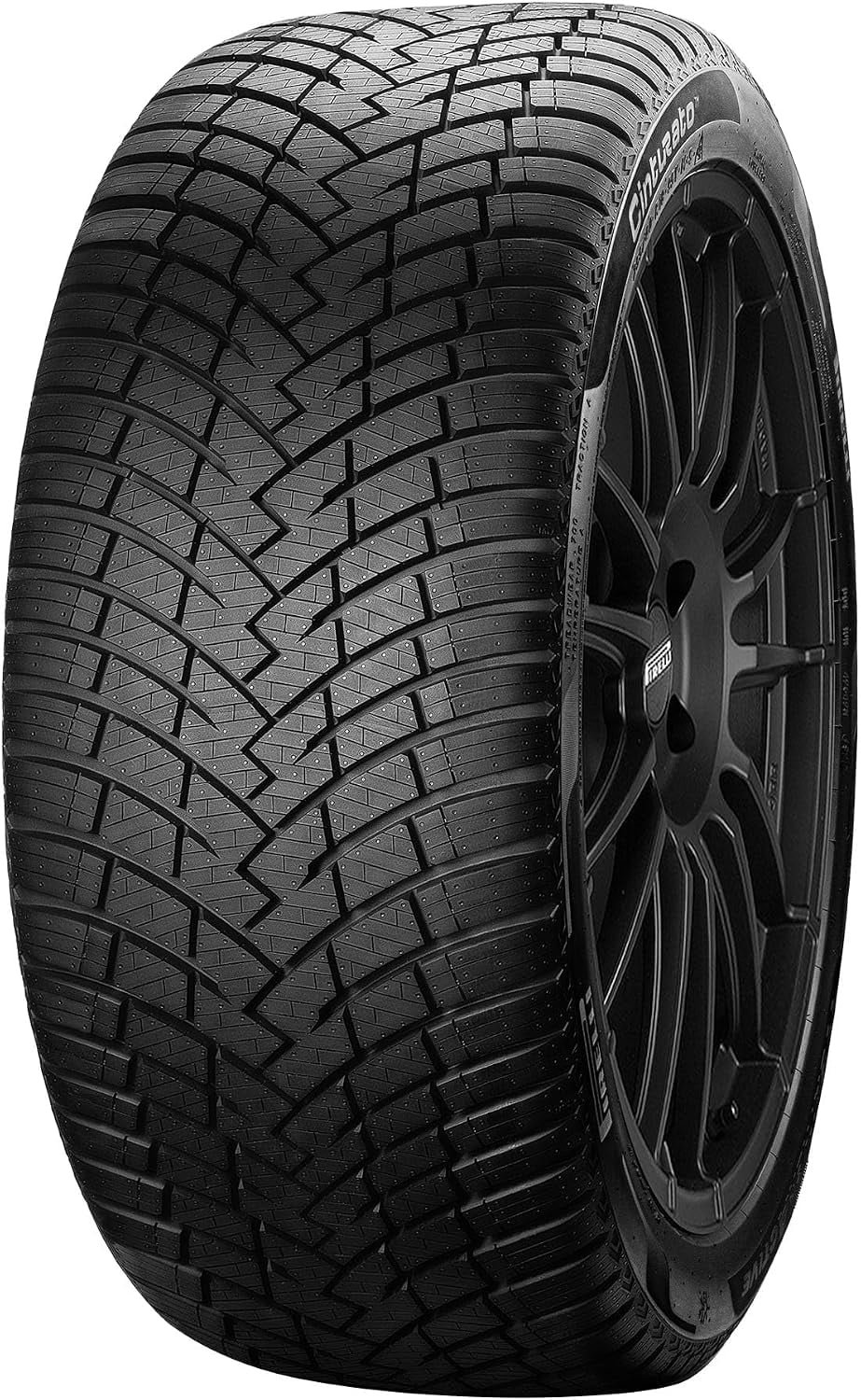
Pirelli Cinturato WeatherActive
View on Amazon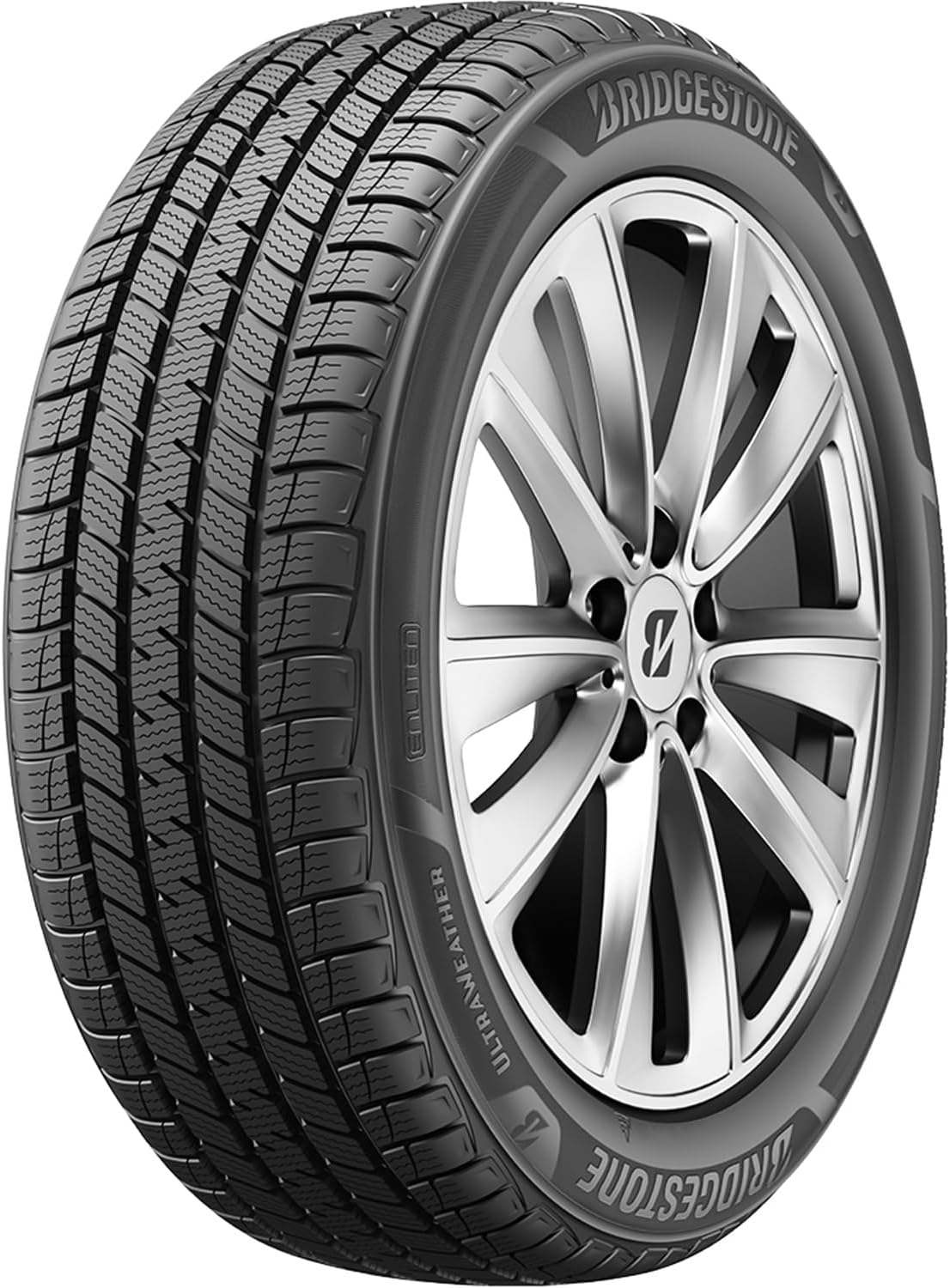
Bridgestone UltraWeather
View on AmazonHow We Ranked These Tires
Wet braking and wet handling carry the most weight because rain and slush are common winter hazards in mixed climates.
Snow acceleration, braking, and control matter more than the 3PMSF badge by itself.
Hydroplaning resistance, ride comfort, noise, tread-life warranty, and year-round drivability are secondary factors.
Independent head-to-head test data is weighted more heavily than manufacturer claims.
Newer tires without broad long-term data are ranked more cautiously even when early testing is strong.
1. Michelin CrossClimate2 — Best for Rain and Snow Balance
The Michelin CrossClimate2 is our top choice for drivers who regularly deal with both rain and snow. In Car and Driver's updated 2026 all-weather comparison, it finished first in every objective wet test while remaining one of the strongest tires in snow.
That combination is difficult to beat. The CrossClimate2 had the shortest wet stopping distance in the five-tire test and showed strong wet handling with less understeer than the competition. In snow, it won the 300-foot skidpad and remained confident under braking.
Its drawbacks are a firmer ride, some noise on smooth surfaces, and less agile dry handling than the Pirelli. It also carried the highest price in Car and Driver's test snapshot. But if your priority is safety across rain, slush, and snow rather than maximum dry-road sharpness, Michelin is the strongest one-tire answer.
Why it ranks first
Best wet performance in the 2026 Car and Driver comparison.
Strong snow braking and lateral grip.
60,000-mile warranty.
Large owner-review base and broad fitment availability.
Read our full Michelin CrossClimate2 Review 2026.
2. Pirelli Cinturato WeatherActive — Best Overall Road Balance
The Pirelli Cinturato WeatherActive finished first overall in Car and Driver's 2026 comparison because it was the strongest dry tire, stayed close to Michelin in the wet, and remained useful in snow.
For drivers who spend most of the year on dry and wet roads but still need legitimate winter capability, the Pirelli may actually be the better everyday choice. Its steering is more direct and responsive than the Michelin, and testers praised its ride over broken pavement.
The reason it ranks second here rather than first is the specific snow-and-rain focus of this guide. The Pirelli is very good in both, but Michelin owns the stronger wet result and the Bridgestone family has a stronger snow-first case.
Read our full Pirelli Cinturato WeatherActive Review 2026.
3. Bridgestone UltraWeather — Best New Snow-Focused Contender
Bridgestone's new UltraWeather replaces the WeatherPeak, which was the snow champion in Car and Driver's five-tire test but lagged badly in dry and wet performance. The new UltraWeather is designed to keep the winter strength while improving the rest of the package.
Tire Rack's 2026 preview testing is promising. Its current projection scores the UltraWeather as excellent in wet, dry, winter/snow, comfort, and treadwear, and Tire Rack specifically noted that the tire succeeded the WeatherPeak after that older model impressed in snow but was more middle-of-the-road overall.
This tire ranks third because the early evidence is strong, especially for snow-heavy mixed climates, but it does not yet have the same depth of long-term owner data or broad head-to-head evidence as Michelin and Pirelli.
See Tire Rack's current Bridgestone UltraWeather preview test.
4. Continental SecureContact AW — Best New Wet-Focused Alternative
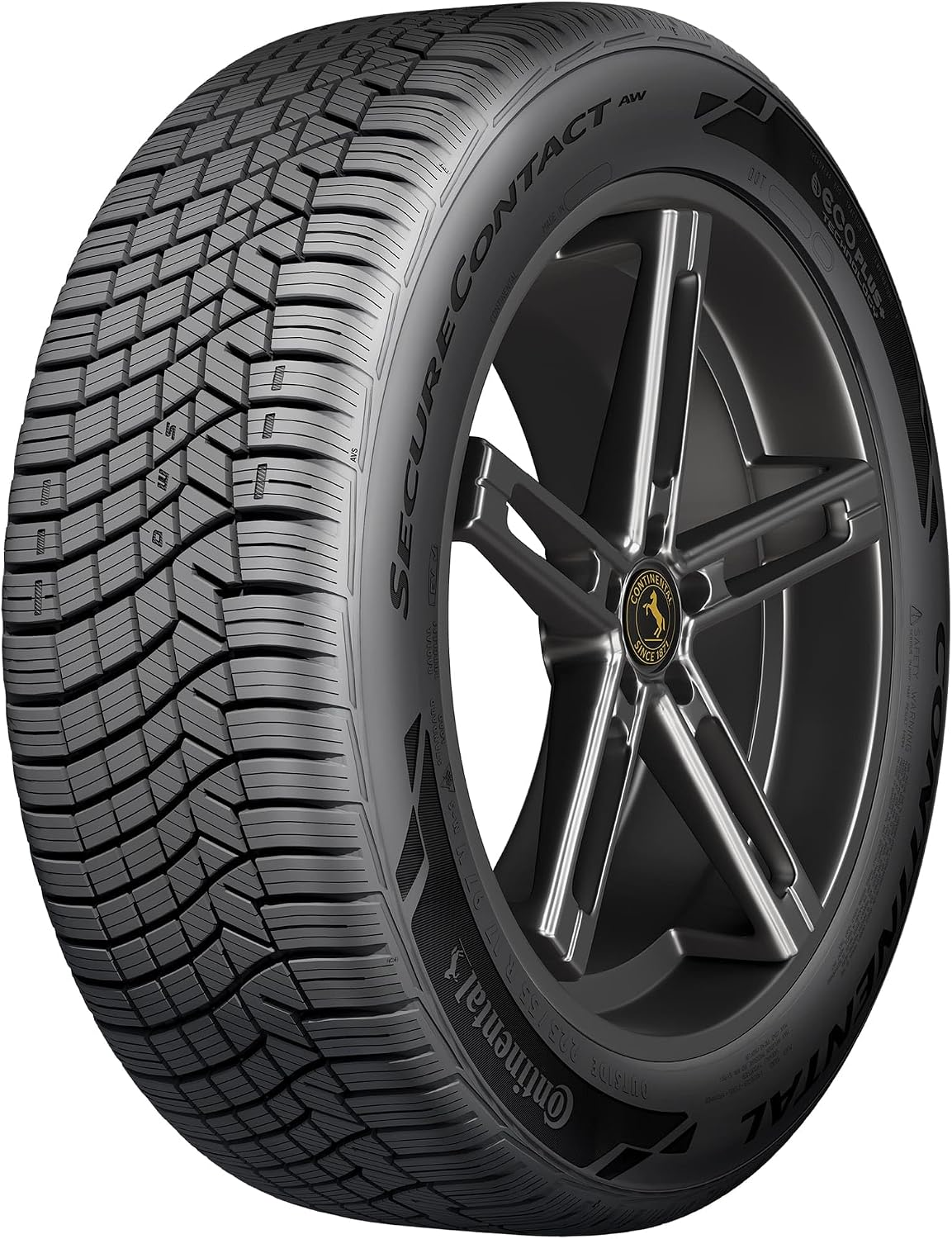
Continental's SecureContact AW is one of the most interesting new all-weather tires of 2026. It carries the 3PMSF symbol, a 60,000-mile limited warranty, and an asymmetric tread designed for wet-road control and year-round touring comfort.
Continental's internal testing claims best-in-class wet braking and wet handling against several major competitors, and Tire Rack's current all-weather guide describes it as quiet, composed, strong on the wet track, and meaningfully better in snow than Continental's conventional TrueContact Tour 54.
Because Continental's strongest wet claim comes from internal testing rather than the same Car and Driver comparison used for Michelin, Pirelli, and Nokian, we rank it conservatively. Still, it is a serious option for rain-heavy climates that also see occasional snow.
See Continental's SecureContact AW product page.
5. Nokian Remedy WRG5 — Best for Snow, Durability, and Potholes
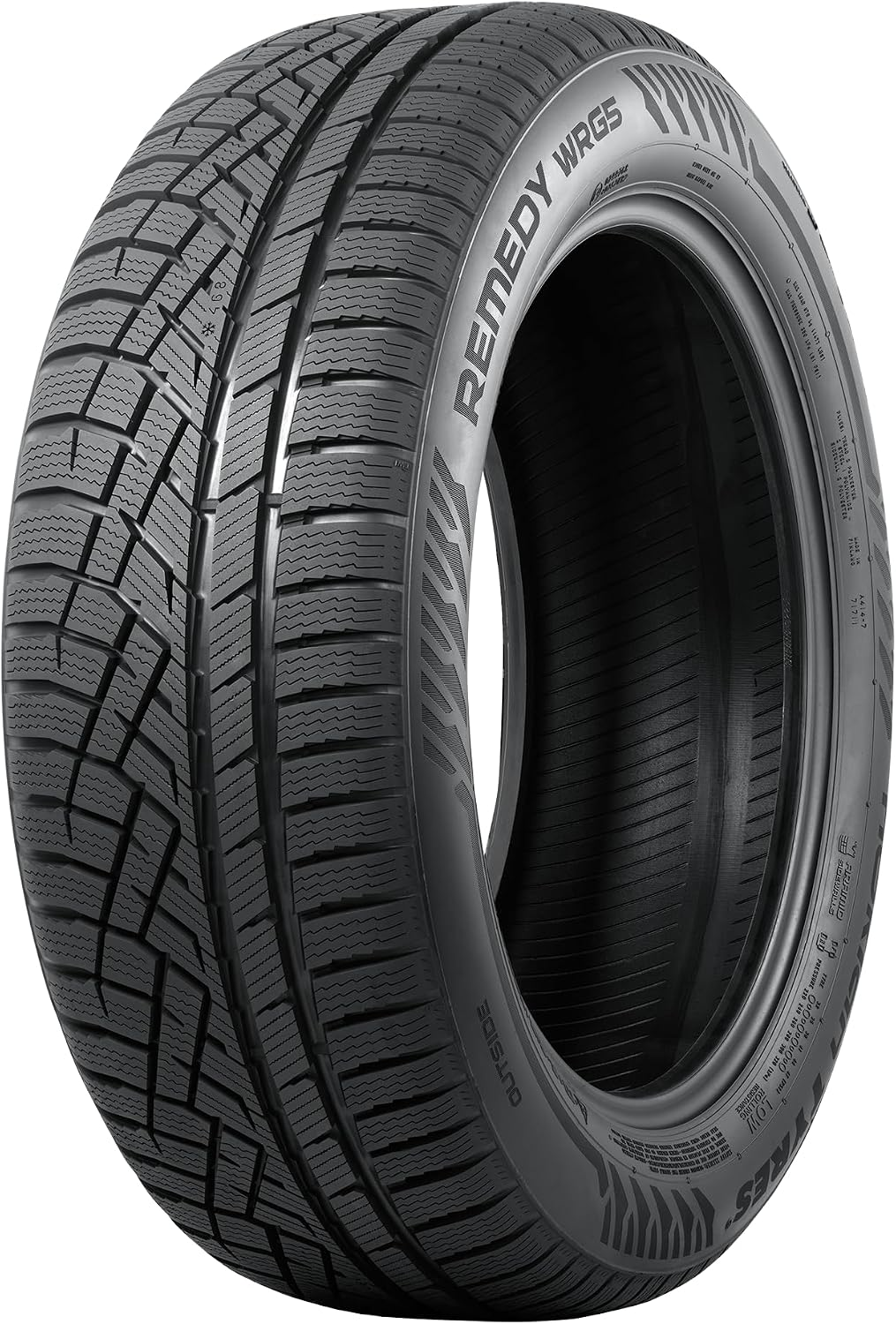
The Nokian Remedy WRG5 is a specialist. It is strong in snow, good in the dry, and unusually compelling for rough roads thanks to Aramid-reinforced construction and Nokian's Pothole Protection program.
Its biggest weakness is wet braking. In Car and Driver's 2026 test, the Nokian needed nearly 25 more feet to stop from 60 mph in the wet than the Michelin CrossClimate2. That difference is too large to ignore in a guide specifically focused on snow and rain.
Drivers in snowy, pothole-prone regions may still prefer it. If your roads are rough and winter is the bigger threat than heavy rain, the WRG5 remains a very strong choice.
Read our full Nokian Remedy WRG5 Review 2026.
6. Goodyear Assurance WeatherReady2 — Best Mainstream All-Weather Option
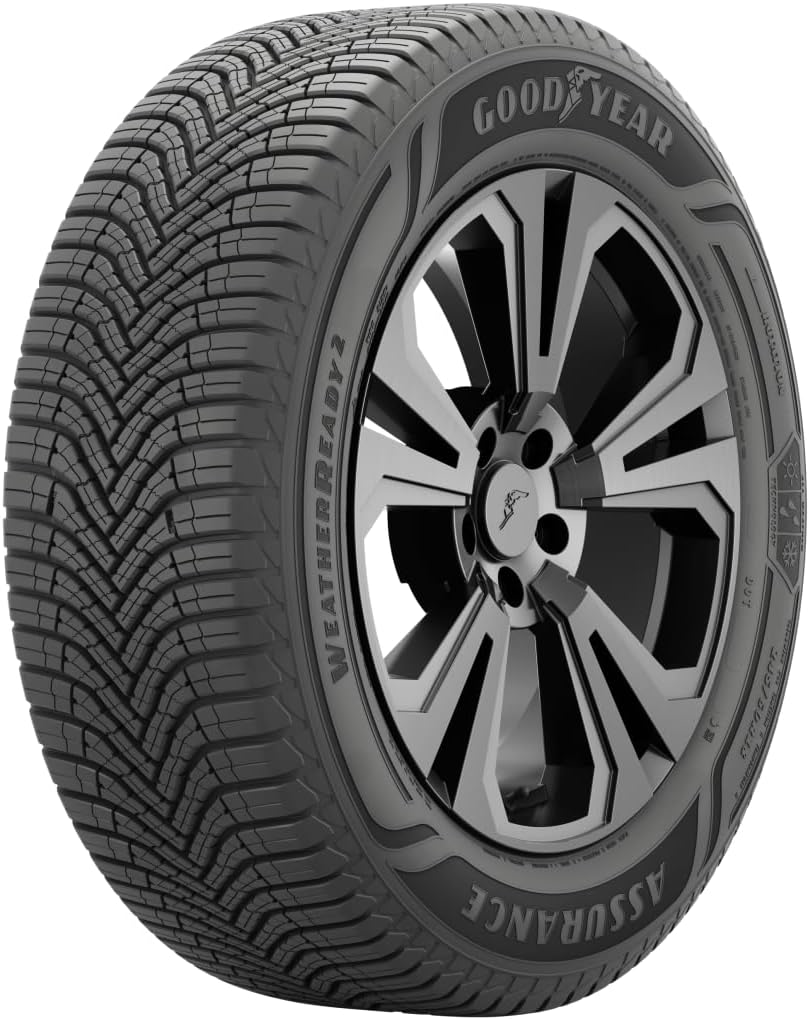
The Goodyear Assurance WeatherReady2 is the current replacement for the older WeatherReady tested by Car and Driver. The original tire was above average in the wet but weak in snow, so the newer model matters because Goodyear specifically redesigned the platform around stronger year-round grip.
WeatherReady2 carries the 3PMSF symbol, a 60,000-mile tread-life warranty, AquaTred technology for water and slush evacuation, evolving traction grooves, and comfort inserts designed to reduce bumps and vibration.
The feature set is strong, but we rank it behind the better-proven leaders because there is less current independent snow-and-rain comparison data against this exact new model.
See Goodyear's Assurance WeatherReady2 product page.
7. Vredestein Quatrac Pro+ — Best Wet-Focused Alternative Value
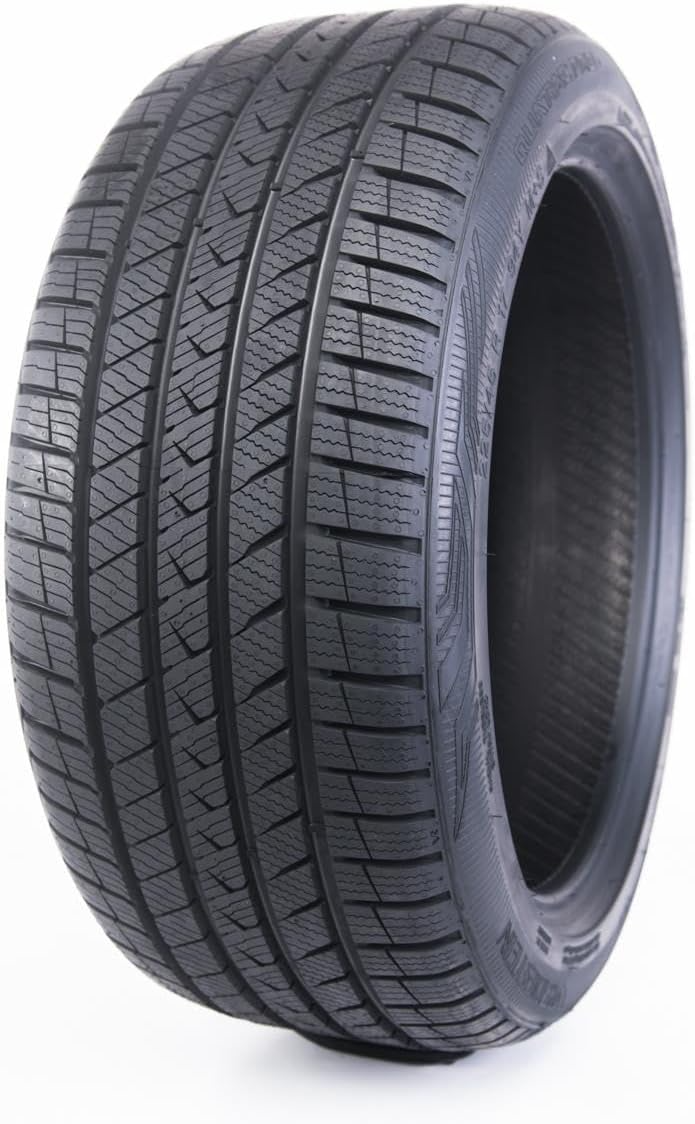
The Vredestein Quatrac Pro+ is a credible alternative for drivers who prioritize rain performance but still need 3PMSF winter capability. Vredestein emphasizes strong water evacuation, aquaplaning resistance, upgraded snow grip, and lower rolling resistance.
Its main limitation for U.S. buyers is evidence depth and availability. The tire has a smaller dealer and owner-review footprint than Michelin, Pirelli, Bridgestone, Goodyear, or Continental, and there is less current U.S. head-to-head test data to lean on.
That does not make it a bad tire. It simply makes it a more speculative recommendation when the better-documented options above are available in the correct fitment.
See Vredestein's Quatrac Pro+ product page.
Best Tire by Driving Condition
Condition | Best Pick | Why |
|---|---|---|
Heavy rain + occasional snow | Michelin CrossClimate2 | Best wet braking plus strong snow balance |
Mostly dry/wet roads + some snow | Pirelli WeatherActive | Best overall road balance |
Frequent snow + mixed roads | Bridgestone UltraWeather | Strong new winter-focused package |
Rain-heavy touring | Continental SecureContact AW | Wet-focused design and promising current testing |
Snow + potholes + rough pavement | Nokian Remedy WRG5 | Aramid durability and pothole protection |
Mainstream comfort + all-weather use | Goodyear WeatherReady2 | Broad fitment and current all-weather feature set |
Alternative wet-focused option | Vredestein Quatrac Pro+ | Strong water evacuation and 3PMSF capability |
All-Weather Tires vs Dedicated Winter Tires
A strong all-weather tire can be enough for many drivers who see occasional snow, cold rain, slush, and mostly cleared roads. The 3PMSF symbol confirms that the tire meets a defined snow-traction standard, but it does not mean every 3PMSF tire performs equally well in snow or ice.
Dedicated winter tires still offer more margin in deep snow, packed snow, and ice. Car and Driver's comparison reinforced that point: even the best all-weather tires could not match a dedicated winter tire in snow, just as they could not match a dedicated summer tire in warm dry and wet conditions.
If your winter driving routinely includes mountain passes, untreated roads, steep icy grades, or long periods below freezing, a dedicated winter set remains the safer choice.
What to Look for When Buying an All-Weather Tire
3PMSF certification: required for this category, but treat it as a minimum threshold rather than proof of best-in-class winter performance.
Wet braking: prioritize independently tested stopping distance if rain is common where you drive.
Snow braking and control: acceleration alone does not tell the whole story.
Hydroplaning resistance: important for standing water, slush, and highway rain.
Treadwear warranty: compare mileage and age limits, not mileage alone.
Correct fitment: verify tire size, load index, speed rating, and vehicle requirements before ordering.
Climate fit: choose the tire that matches your actual mix of rain, snow, dry pavement, heat, and road quality.
Frequently Asked Questions
What is the best all-weather tire for both rain and snow in 2026?
The Michelin CrossClimate2 is our top pick for the combination of rain and snow because it led Car and Driver's wet testing while remaining strong in snow. Pirelli WeatherActive is the better choice for drivers who want stronger dry handling without giving up much wet capability.
Which all-weather tire is best in snow?
The outgoing Bridgestone WeatherPeak was the strongest snow performer in Car and Driver's five-tire comparison. Its new replacement, the Bridgestone UltraWeather, is the more relevant current model and has shown promising snow and wet results in Tire Rack's 2026 preview testing.
Which all-weather tire is best in rain?
Among the tires tested head-to-head by Car and Driver, the Michelin CrossClimate2 was the clear wet winner. Continental's new SecureContact AW also targets wet performance aggressively, but its strongest comparative wet claims come from Continental's own internal testing.
Are all-weather tires good enough to replace winter tires?
For many drivers on mostly cleared roads, yes. For frequent deep snow, packed snow, ice, or severe mountain driving, dedicated winter tires still provide more performance and safety margin.
Is 3PMSF the same as a winter tire?
No. The Three-Peak Mountain Snowflake symbol indicates that a tire meets a defined snow-traction performance threshold. It does not mean the tire matches a dedicated winter tire in snow braking, ice traction, or extreme cold.
Sources and Testing Basis
Primary independent comparison: Car and Driver 2026 all-weather tire test. Current category guidance: Tire Rack Best All-Weather Tires for 2026. New-product references include Bridgestone UltraWeather testing, Continental SecureContact AW, Goodyear WeatherReady2, and Vredestein Quatrac Pro+.
Bottom Line
If your winter reality is rain, slush, occasional snow, and long stretches of wet pavement, the Michelin CrossClimate2 is the strongest overall choice. It gives you the best wet-braking evidence in the group without giving up credible winter capability.
The Pirelli WeatherActive is the better all-around road tire, Bridgestone UltraWeather is the new snow-focused contender to watch, Continental SecureContact AW is a promising wet-focused newcomer, and Nokian Remedy WRG5 remains the specialist for snow, durability, and pothole-prone roads.
The right answer depends less on the badge on the sidewall and more on the conditions you actually drive through. Start with your climate, then choose the tire whose test strengths match your worst weather.
This article contains affiliate links. If you buy through one of these links, The All Guy may earn a commission at no additional cost to you. Rankings are research-based and combine current independent testing, manufacturer specifications, and product positioning. Not all seven tires have been tested head-to-head in the same comparison.


