
As an Amazon Associate I earn from qualifying purchases.
A cordless drill is one of the first power tools most homeowners should buy. It can assemble furniture, hang shelves, drill pilot holes, install hardware, bore through lumber, and handle hundreds of small jobs that would otherwise turn into a screwdriver-and-elbow-grease project.
The harder decision is choosing a drill platform you will still be happy with three or five tools later. Milwaukee and DEWALT lead this list for outright capability, but Craftsman, Ryobi, Makita, and Bosch all make compelling cases depending on your budget, projects, and whether you value raw power or compact versatility.
If you are building out the rest of your garage at the same time, start with our 10 must-have garage tools every guy should own and use this guide to choose the cordless drill that anchors your battery system.
The Quick List
Best Overall: Milwaukee M18 FUEL 2903-20
Best DEWALT: DEWALT 20V MAX XR DCD801B
Best Value Kit: CRAFTSMAN V20 Brushless RP CMCD713C2
Best Hammer Drill: Milwaukee M18 FUEL 2904-20
Best Budget Ecosystem Pick: RYOBI ONE+ HP PBLDD01K1
Best Makita: Makita 18V LXT XFD14Z
Best for Tight Spaces: Bosch 18V Flexiclick GSR18V-535FCB15
QUICK PICKS: BEST CORDLESS DRILLS FOR HOMEOWNERS IN 2026: 7 PICKS WORTH BUYING
A fast comparison of the products already selected in this guide, using the article's existing retailer links and best-for positioning.
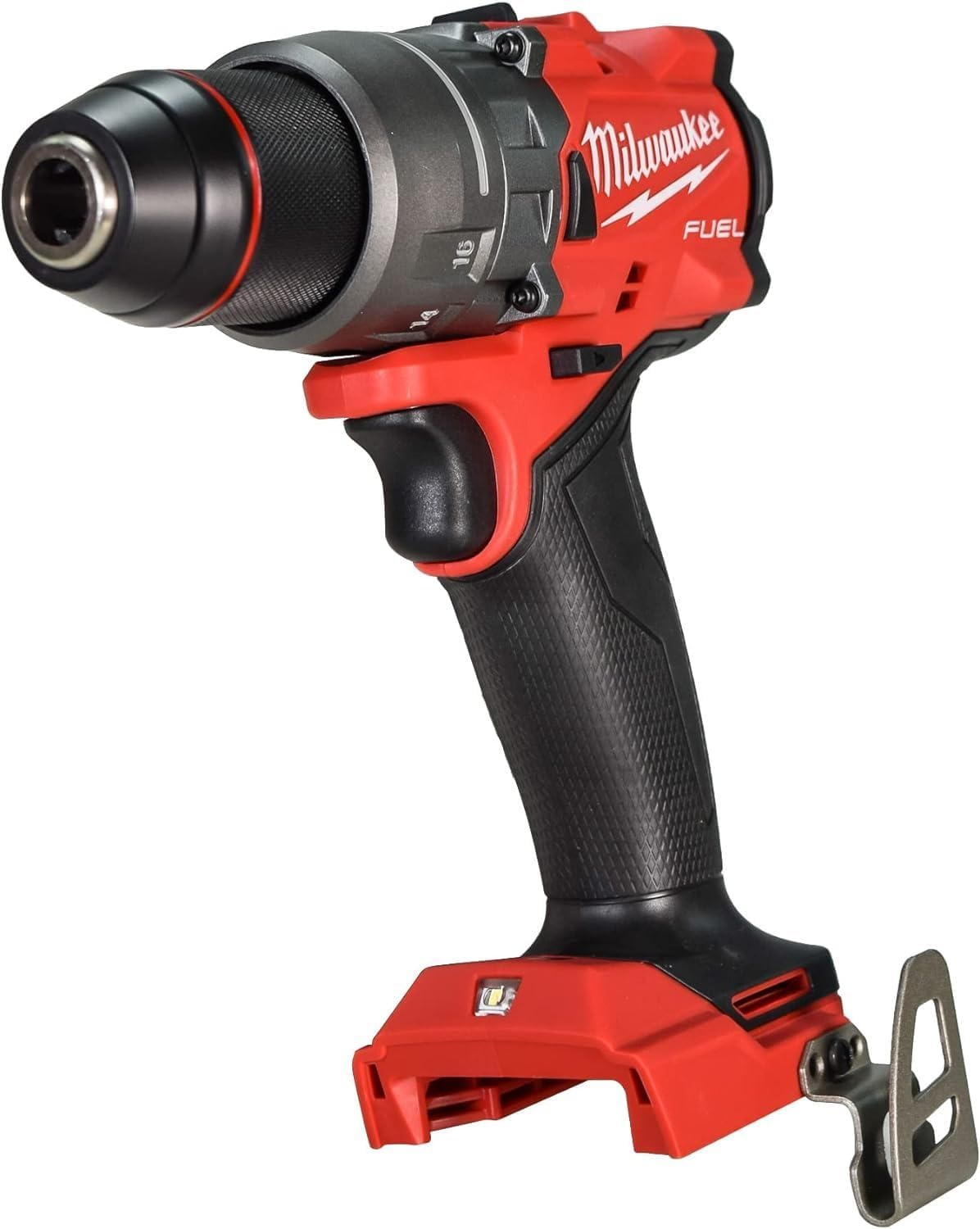
Milwaukee M18 FUEL 1/2-Inch Drill/Driver 2903-20
Check Price on Amazon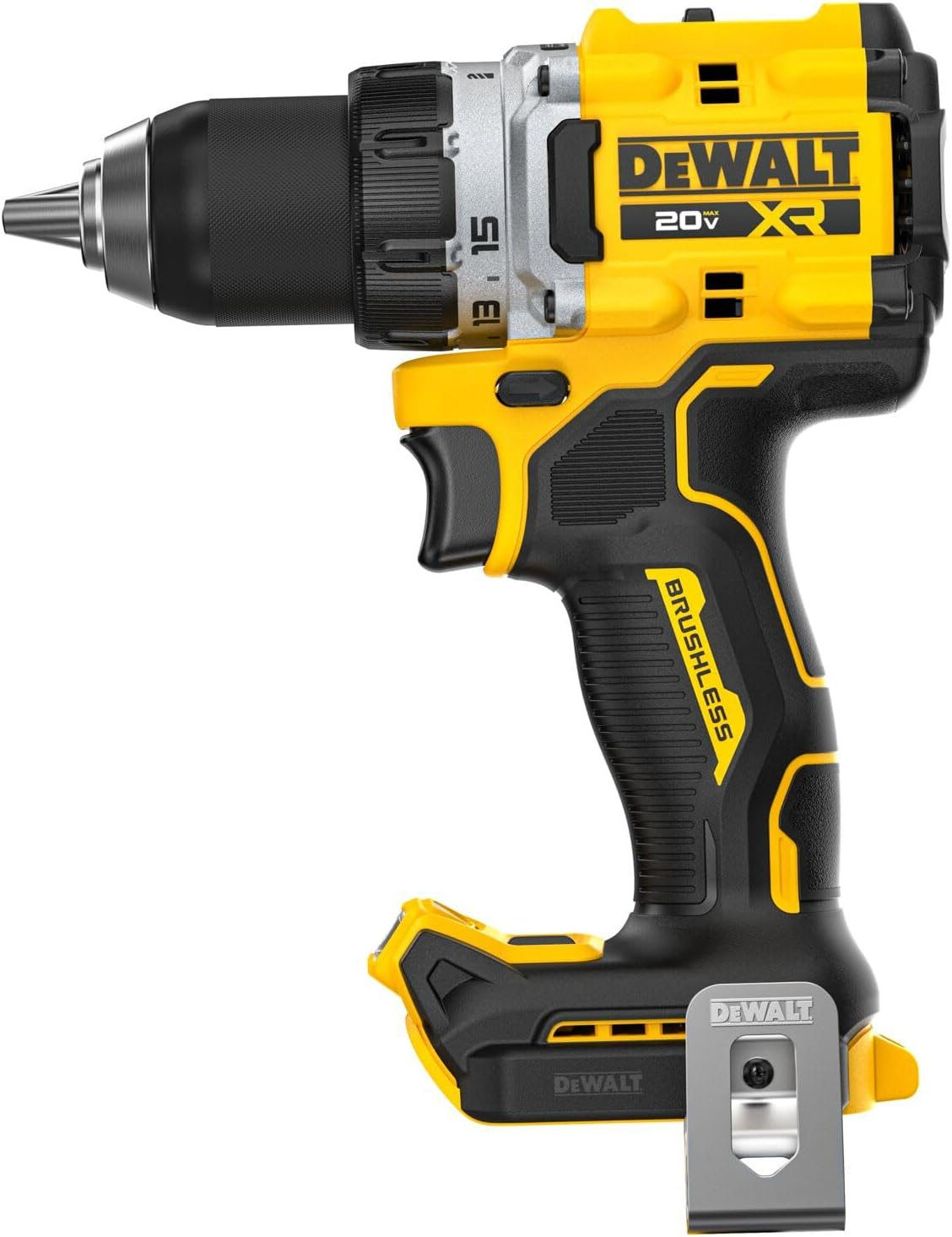
DEWALT 20V MAX XR Brushless 1/2-Inch Drill/Driver DCD801B
Check Price on Amazon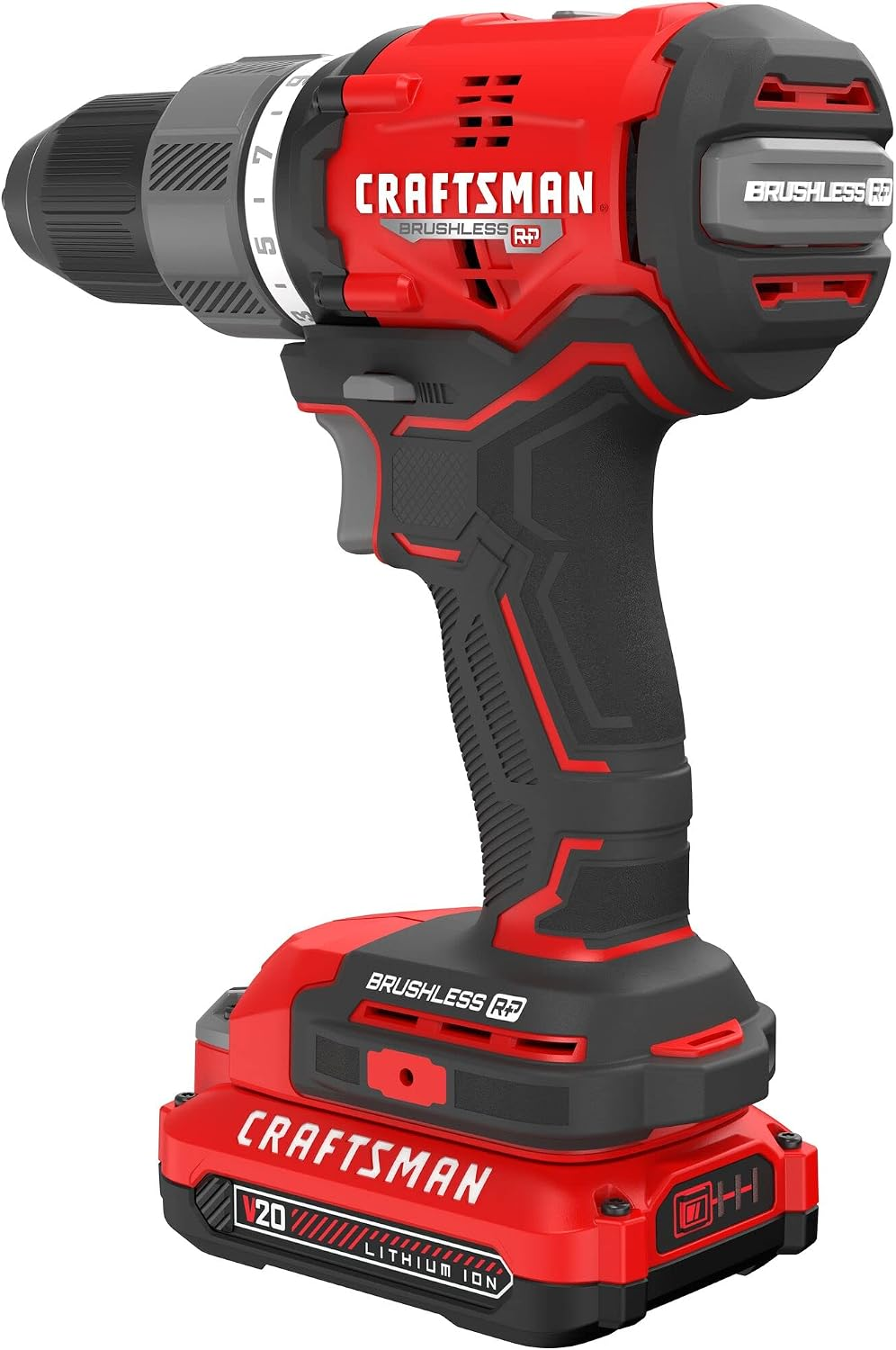
CRAFTSMAN V20 Brushless RP 1/2-Inch Drill/Driver Kit CMCD713C2
Check Price on Amazon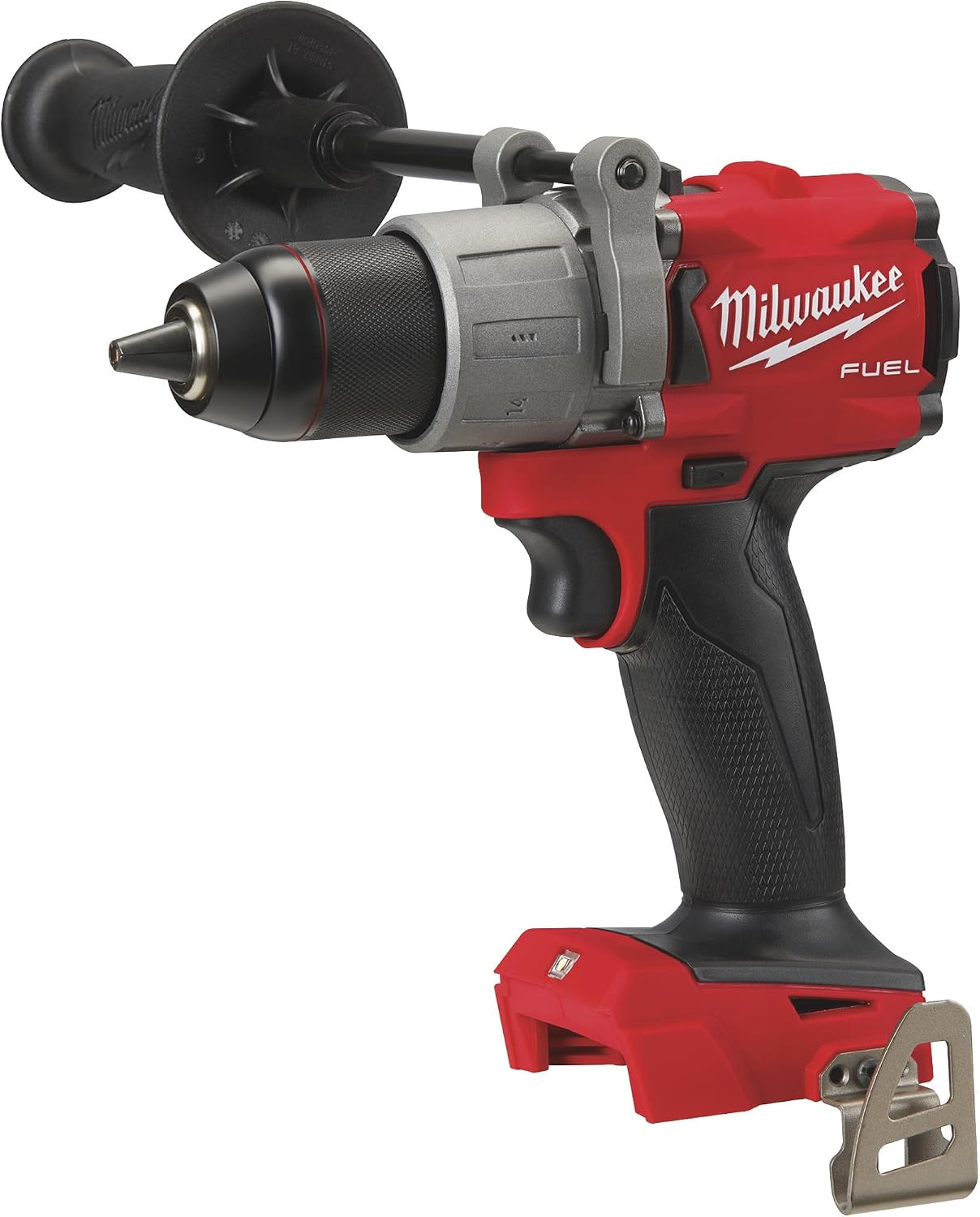
Milwaukee M18 FUEL 1/2-Inch Hammer Drill/Driver 2904-20
Check Price on Amazon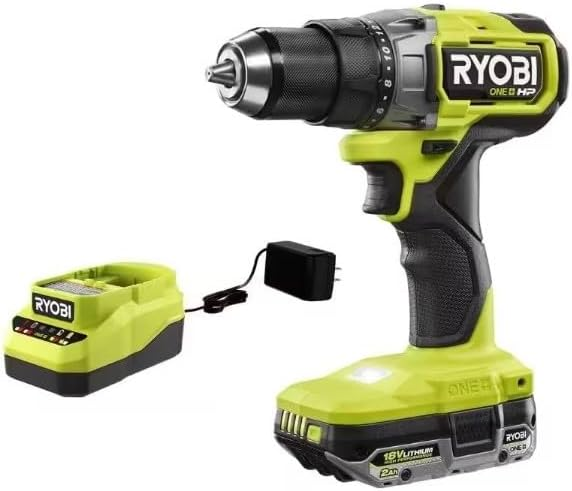
RYOBI ONE+ HP 18V Brushless 1/2-Inch Drill/Driver Kit PBLDD01K1
Check Price on Amazon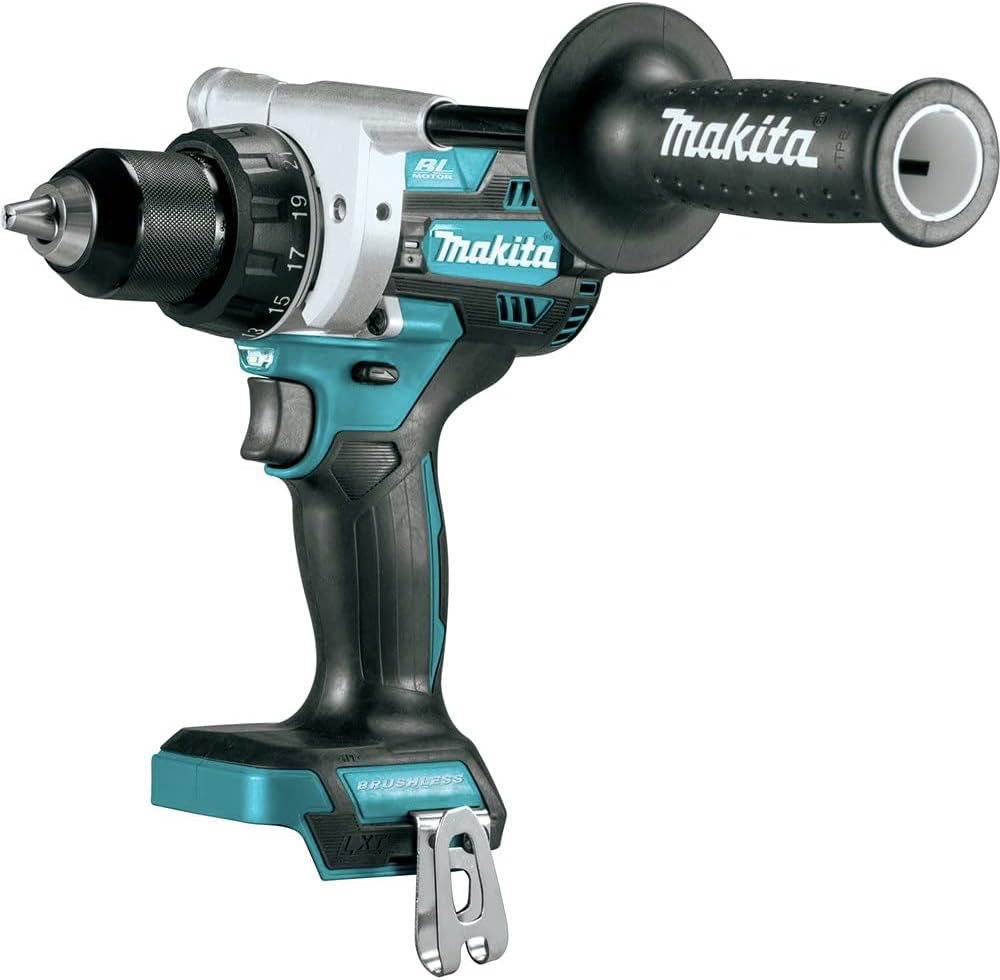
Makita 18V LXT Brushless 1/2-Inch Driver-Drill XFD14Z
Check Price on Amazon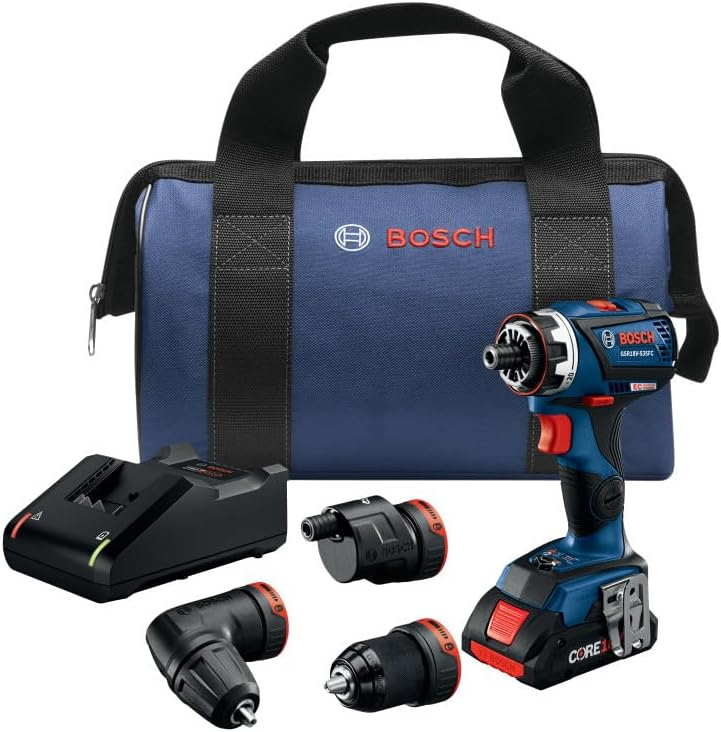
Bosch 18V Flexiclick 5-in-1 Drill/Driver Kit GSR18V-535FCB15
Check Price on Amazon1. Milwaukee M18 FUEL 2903-20
The Milwaukee 2903-20 is the pick for homeowners who want to buy into a serious cordless platform once and not immediately wonder whether they should have bought something stronger. Milwaukee rates the drill at 1,400 in-lbs of torque while keeping the body to about 6.9 inches long, which is a useful combination when you are drilling large holes one day and working inside a cabinet the next.
AutoStop control is another reason it earns the top spot. When a bit binds, the drill can sense excessive rotation and shut down quickly. That does not replace good technique, but it is a meaningful feature on a high-torque drill.
The tradeoff is simple: the 2903-20 is more drill than a homeowner who only assembles furniture twice a year needs. But if you expect deck work, framing, large-hole drilling, remodeling, or a growing M18 collection, the extra capability makes sense.
2. DEWALT 20V MAX XR DCD801B
If you already own DEWALT 20V MAX batteries, the DCD801B is the obvious premium choice on this list. DEWALT positions it as its most powerful 20V MAX two-speed drill/driver, and it adds an anti-rotation system designed to shut the tool down when rotational motion becomes excessive.
For homeowners, the bigger advantage may be the ecosystem. DEWALT's 20V MAX line covers saws, impacts, outdoor equipment, inflators, lighting, and a long list of specialty tools. Buying the drill is often really a decision about which battery shelf you want to build over time.
The DCD801B is sold as a bare tool, so first-time DEWALT buyers should compare the cost of adding a battery and charger against a complete kit. Existing 20V MAX owners avoid that problem entirely.
3. CRAFTSMAN V20 Brushless RP CMCD713C2
The Craftsman CMCD713C2 is the easiest recommendation here for someone starting from zero who wants a complete kit instead of a bare tool. It includes two V20 2.0Ah batteries, a charger, and a storage bag, which means you can actually open the box and start working without building a battery system piece by piece.
Its brushless motor, 1/2-inch ratcheting chuck, two-speed gearbox, and integrated LED cover the things that matter most for normal homeowner drilling and fastening. Craftsman lists speeds of 0-600 and 0-1,900 RPM, giving you a low-speed range for control and a faster range for drilling.
It is not the brute-force choice next to the Milwaukee models, but that is not the point. For furniture, shelving, repairs, hardware installation, and weekend projects, the combination of capability and included batteries is compelling.
4. Milwaukee M18 FUEL 2904-20
The Milwaukee 2904-20 takes the strengths of Milwaukee's high-output drill platform and adds hammer-drill capability. That matters if your home projects involve masonry anchors, concrete block, brick, or other jobs where a conventional drill can struggle.
Milwaukee rates it at 1,400 in-lbs of torque and approximately 6.9 inches long, and AutoStop control is included here as well. For someone buying one premium drill to cover wood, metal, fastening, and occasional masonry, the 2904-20 is arguably more versatile than the standard 2903-20.
The reason it is not our default best overall pick is that plenty of homeowners simply do not need hammer mode. If you do, pay for it. If you do not, the standard drill/driver is the cleaner choice.
5. RYOBI ONE+ HP PBLDD01K1
Ryobi's appeal has always been bigger than one drill. The ONE+ platform gives homeowners access to an enormous family of compatible tools, and the PBLDD01K1 brings up to 750 in-lbs of torque, a two-speed gearbox, a 1/2-inch metal ratcheting chuck, and up to 2,100 RPM.
That is enough performance for a wide range of DIY work without paying premium-tool prices. The kit is particularly attractive if you expect your next purchases to include things like a work light, inflator, saw, sander, or outdoor tool that can share the same battery family.
There is one important 2026 caveat: Ryobi currently marks this exact PBLDD01K1 kit as discontinued on its own site. Amazon inventory may still be available, but treat it as a buy-if-the-price-and-stock-make-sense option rather than a platform entry point you must chase down.
6. Makita 18V LXT XFD14Z
Makita's XFD14Z is the alternative for buyers who want premium performance without choosing the red or yellow teams. Makita rates the brushless drill at 1,250 in-lbs of max torque, with a two-speed 0-550 and 0-2,100 RPM transmission.
At roughly 7 inches long, it is relatively compact for the amount of power available, and the all-metal 1/2-inch self-ratcheting chuck is designed for strong bit retention. The side handle also makes sense once you start using larger bits and asking more from the drill.
The XFD14Z is a bare tool, so it makes the most financial sense for someone already using Makita 18V LXT batteries or someone deliberately choosing LXT as the foundation for a larger tool collection.
7. Bosch 18V Flexiclick GSR18V-535FCB15
The Bosch GSR18V-535FCB15 wins a spot here because it solves a different problem than the high-torque Milwaukee, DEWALT, and Makita options. The Flexiclick system can reconfigure with a right-angle attachment, offset-angle attachment, keyless chuck, and locking bit holder, making it unusually useful inside cabinets, between framing, near edges, and in other places where a conventional drill body gets in the way.
Bosch rates the tool at up to 535 in-lbs of torque, 0-600/0-1,900 RPM, 5.5 inches long, and 2.1 pounds tool-only. The kit also includes a CORE18V 4Ah battery and charger. You are giving up some headline torque, but gaining a level of access and adaptability that none of the standard drill bodies here can match.
One image supplied for this article showed a different Bosch model, so we intentionally did not use it here. The recommendation and Amazon link in this section are for the GSR18V-535FCB15 Flexiclick kit.
Which Cordless Drill Should Most Homeowners Buy?
For most people, the right drill is not the model with the biggest specification on the box. It is the model that gives you enough power for your projects, feels manageable in your hand, and belongs to a battery platform that also makes the other tools you expect to buy.
Choose Milwaukee 2903-20 if you want premium power and a deep professional-grade ecosystem. Choose DEWALT DCD801B if you prefer the 20V MAX platform. Choose Craftsman CMCD713C2 if you want a complete homeowner kit at a more approachable entry point. Choose the Milwaukee 2904-20 if masonry is actually on your project list. Bosch is the specialist pick for awkward spaces, while Makita remains a strong premium ecosystem alternative.
Drill/Driver vs. Hammer Drill
A normal drill/driver rotates the bit. A hammer drill adds a rapid forward-and-back hammering action while the bit spins, which helps masonry bits work through materials such as brick and concrete.
Do not pay extra for hammer mode simply because it sounds more capable. If nearly all of your work involves wood, metal, drywall anchors, furniture, and normal fasteners, a conventional drill/driver is usually lighter, simpler, and completely sufficient. If you regularly anchor into masonry, hammer mode earns its place.
Battery Platform Matters More Than You Think
The first cordless drill is rarely the last cordless tool. Once batteries and chargers start accumulating, switching brands gets expensive. Before you pick a drill, look beyond drills and ask which platform also has the saws, lights, inflators, lawn tools, impacts, and specialty equipment you might realistically buy.
This is why a slightly more expensive drill can sometimes be the cheaper decision over five years. It can also be why a less expensive ecosystem such as Ryobi or Craftsman is the smarter homeowner choice even when Milwaukee or DEWALT wins the raw-performance argument.
Brushless vs. Brushed Motors
Every main pick in this guide uses a brushless motor. Brushless tools electronically control the motor instead of relying on physical carbon brushes, which generally improves efficiency, reduces maintenance, and allows manufacturers to package more performance into compact tools.
A brushed drill can still be perfectly adequate for occasional household work, especially when heavily discounted. But if you are buying a primary cordless drill in 2026 and expect to keep it for years, brushless is the better default.
Bare Tool vs. Kit
A bare tool includes the drill but no battery or charger. That is ideal when you already own compatible batteries. It is often a bad deal for a first-time buyer unless you carefully add the cost of a battery and charger before comparing prices.
The Craftsman and Bosch picks stand out because the referenced versions are kits. The Craftsman includes two 2.0Ah batteries, while Bosch includes a CORE18V 4Ah battery. Milwaukee, DEWALT, and Makita models listed here are commonly sold as bare tools, so verify exactly what the Amazon listing includes before ordering.
How We Chose These Drills
The All Guy compared manufacturer specifications, drill type, motor design, size, torque or output information where published, speed ranges, safety features, kit contents, battery ecosystems, and the kinds of projects a homeowner is likely to tackle. We also considered whether each model earns a distinct place in the lineup rather than simply ranking seven similar tools by maximum power.
We did not treat this as a laboratory tool test and do not claim hands-on testing of every model. The goal is to help you narrow the field based on verified specifications and practical ownership considerations.
Frequently Asked Questions
Is an 18V or 20V drill better for homeowners?
Do not choose based on the voltage label alone. In this category, 18V nominal and 20V MAX systems can be closely related in real battery voltage. Motor design, gearing, battery capability, ergonomics, and the overall tool platform matter more than comparing the number printed on the side.
How much torque does a homeowner need?
Normal furniture assembly, pilot holes, shelves, and common fasteners do not require a 1,400 in-lb drill. Higher torque becomes more valuable with large bits, hole saws, dense lumber, long fasteners, and demanding renovation work. Buy enough capability for the hardest project you realistically expect to do, not the biggest number available.
Should I buy a drill or impact driver first?
A drill/driver is usually the better first purchase because it can drill holes and drive fasteners with adjustable clutch control. An impact driver is an excellent second tool when you regularly drive long screws, structural fasteners, or stubborn hardware.
Do I need a hammer drill for concrete?
For occasional small masonry holes, a hammer drill can be very useful. For frequent or larger concrete drilling, a dedicated rotary hammer is the more appropriate tool. Always use the correct bit and follow the tool and fastener manufacturer's instructions.
Which brand has the best battery ecosystem?
There is no single winner for every homeowner. Milwaukee and DEWALT offer very deep professional-grade systems, Makita has a broad established LXT platform, Ryobi ONE+ is especially expansive for homeowner and lifestyle tools, Craftsman V20 covers common home and outdoor needs, and Bosch 18V is attractive if its specific tool lineup matches your projects.
The Bottom Line
The Milwaukee M18 FUEL 2903-20 is our best overall cordless drill here because it combines serious power, a compact body, bind-up protection, and a battery platform that can grow far beyond one tool. The DEWALT DCD801B is the strongest alternative for homeowners who prefer DEWALT's 20V MAX ecosystem.
If value matters more than maximum performance, the Craftsman CMCD713C2 kit makes a lot of sense because it includes two batteries and a charger. For masonry, move to the Milwaukee 2904-20. For awkward spaces, Bosch's Flexiclick system offers a kind of versatility the conventional drills cannot duplicate.
Whichever platform you choose, buy the drill that fits the projects you actually do and the tools you are likely to add next. That is a better long-term strategy than chasing the highest torque number on the shelf.
As an Amazon Associate I earn from qualifying purchases.


