
As an Amazon Associate I earn from qualifying purchases.
A circular saw is one of the first power tools that starts to make bigger homeowner projects feel realistic. With the right saw, cutting plywood, framing lumber, shelving, fence boards, deck material, and general project stock becomes faster and far more repeatable than trying to work around a jigsaw or hand saw.
For most homeowners, the sweet spot is a cordless 7-1/4-inch saw with enough depth for common dimensional lumber, a good electric brake, useful bevel capacity, and a battery platform that makes sense beyond one tool.
The seven saws below cover premium power, homeowner value, compact handling, track-compatible precision, and several of the battery ecosystems people are most likely to build around for years.
If you are building a full cordless setup, also see our Best Cordless Drills for Homeowners in 2026 and Best Impact Drivers for Homeowners in 2026 guides.
Want the broader buying path? Start with our Tools Start Here hub for tool platforms, cordless tool sets, impact drivers, saws, and homeowner-focused tool buying guides.
Quick Answer: Which Circular Saw Should a Homeowner Buy?
For most homeowners, a cordless 7-1/4-inch circular saw is the most versatile choice because it can handle plywood, shelving, fence boards, deck material, and common dimensional lumber while remaining easy to move around the house or yard.
Already own Milwaukee M18 batteries: start with the Milwaukee M18 FUEL 2834-20.
Already own DEWALT 20V MAX batteries and want high output: consider the DCS590B.
Want strong homeowner value and a broad battery ecosystem: Ryobi ONE+ HP is the practical value path.
Already own Makita LXT batteries: staying in the LXT ecosystem usually makes more sense than switching brands.
Need more guided precision for sheet goods: Bosch is the most specialized option in this group.
Battery compatibility should usually matter more than a small specification difference between two otherwise capable saws. If you are starting from zero, choose the cordless platform you want to keep building rather than buying the saw in isolation.
Compare the broader battery ecosystems in our Milwaukee vs. DEWALT vs. Makita vs. Ryobi guide.
QUICK PICKS: BEST CIRCULAR SAWS FOR HOMEOWNERS IN 2026
Seven cordless circular saws covering overall performance, maximum power, homeowner value, precision, and battery-platform fit.
Milwaukee M18 FUEL 7-1/4-Inch Circular Saw 2834-20
Check Price on Amazon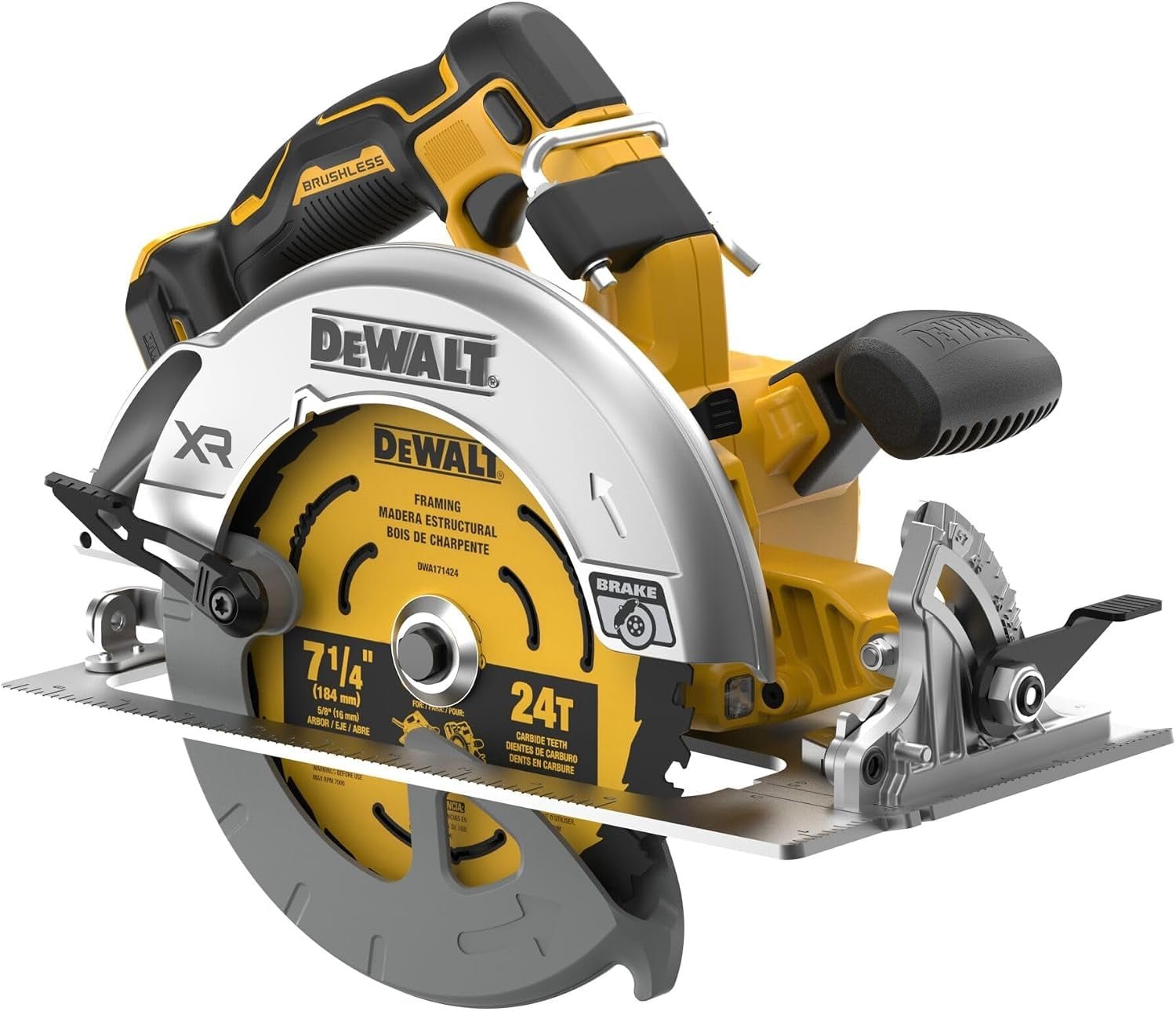
DEWALT 20V MAX XR DCS590B
Check Price on Amazon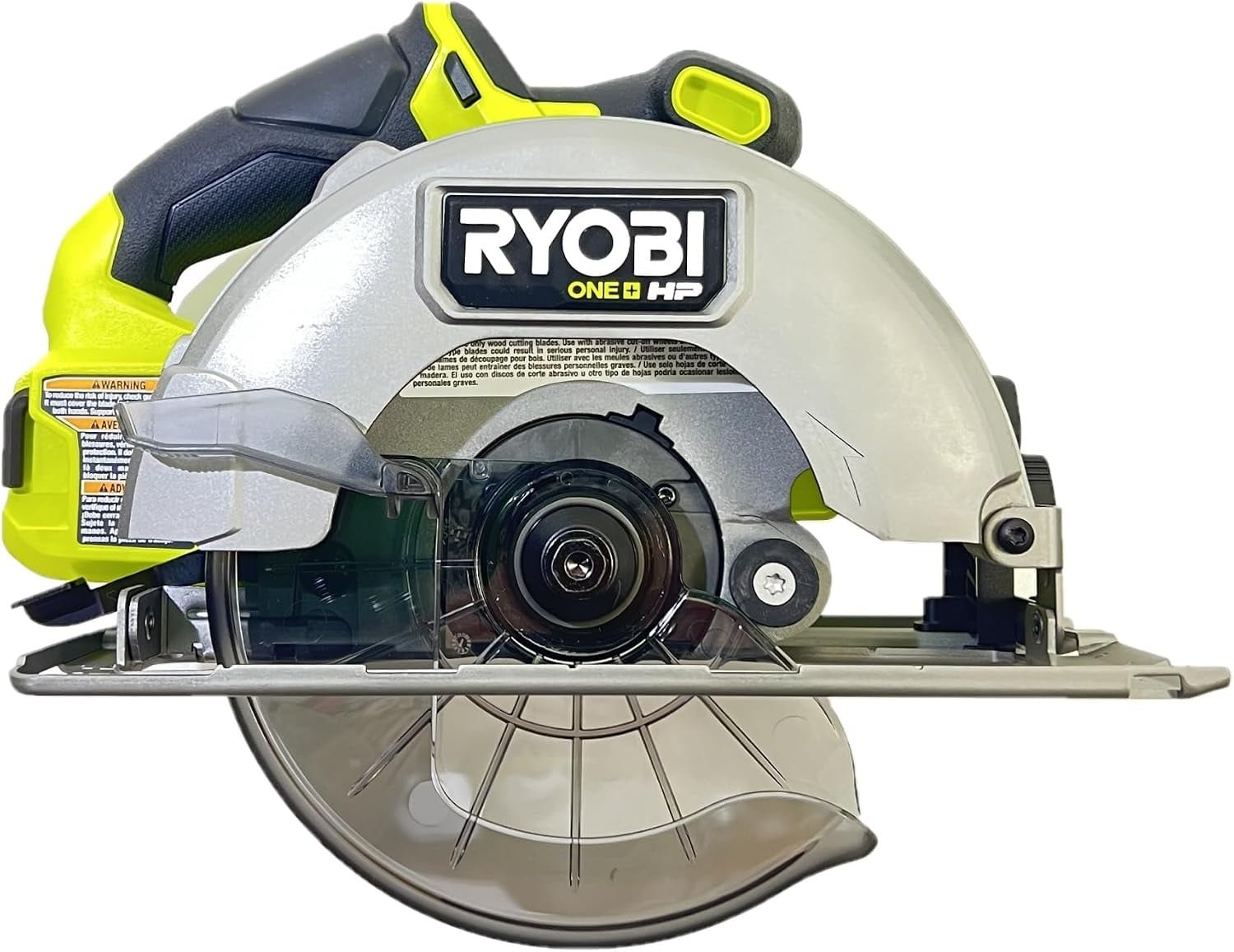
RYOBI ONE+ HP PBLCS300B
Check Price on Amazon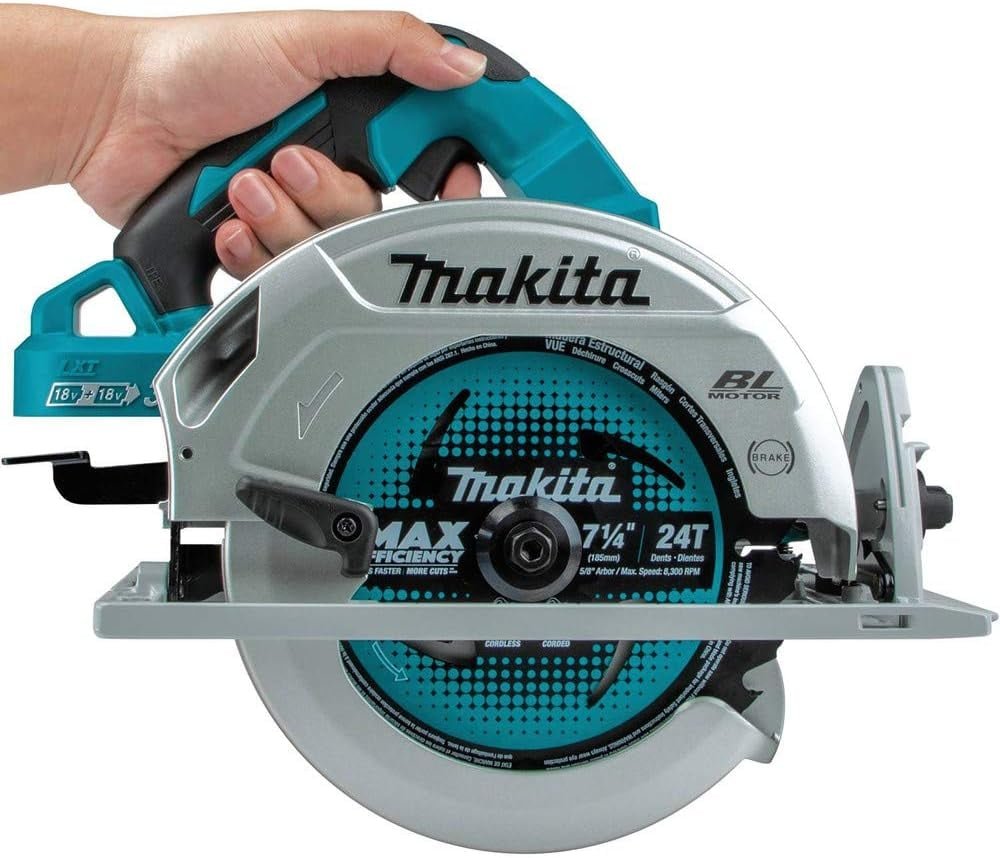
Makita 18V X2 LXT XSH06Z
Check Price on Amazon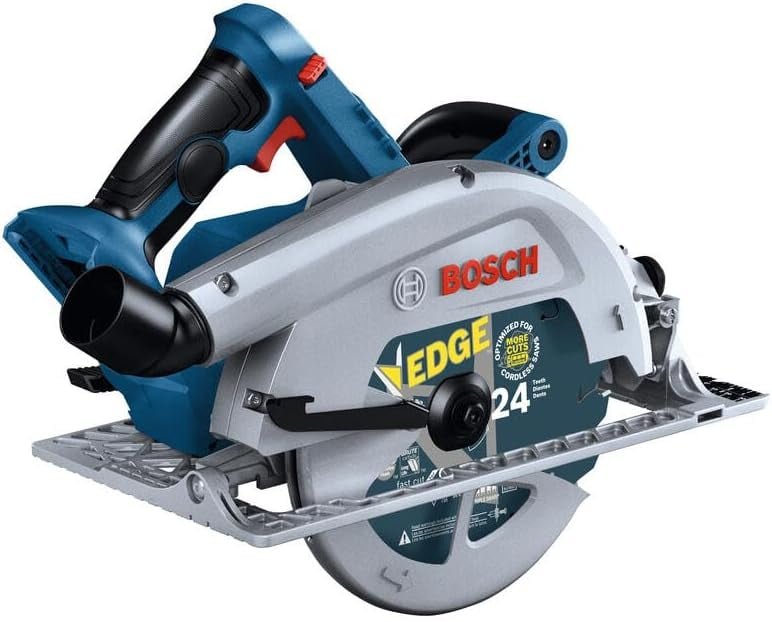
Bosch PROFACTOR GKS18V-25GC
Check Price on Amazon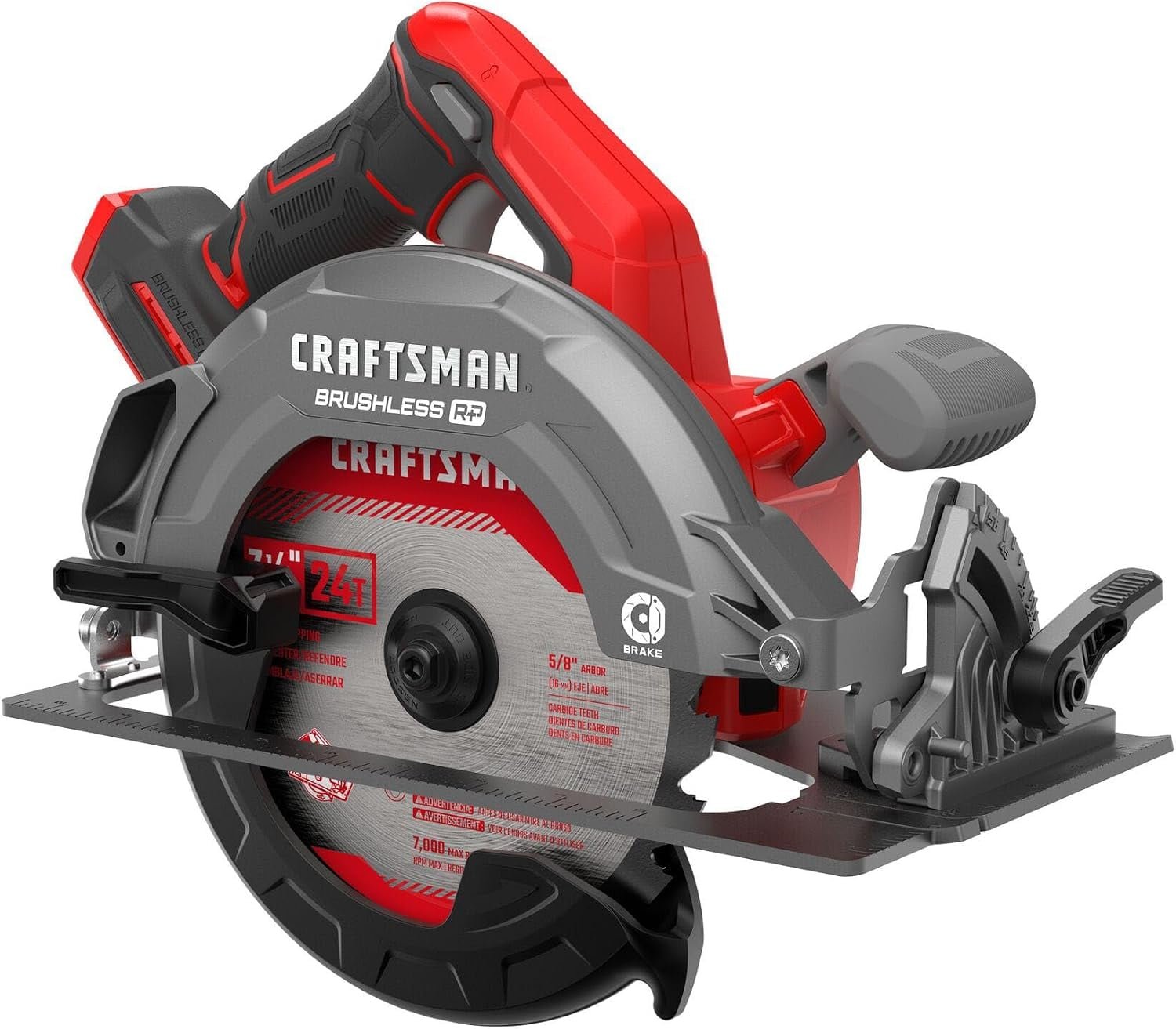
CRAFTSMAN V20 Brushless RP CMCS551B
Check Price on Amazon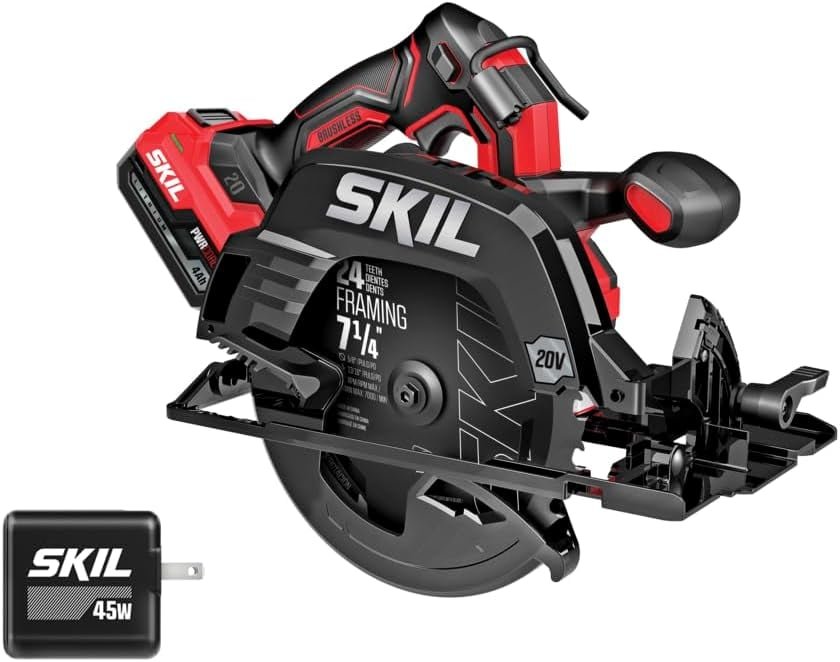
SKIL PWR CORE 20 CR5440B
Check Price on AmazonBest Circular Saws for Homeowners at a Glance
Circular Saw | Our Pick | Blade | Why It Stands Out |
|---|---|---|---|
Milwaukee M18 FUEL 2834-20 | Best Overall | 7-1/4 in. | Premium power, strong cut capacity, and excellent M18 ecosystem fit |
DEWALT DCS590B | Best for Maximum Power | 7-1/4 in. | High-output XR performance with deep cut capacity |
RYOBI ONE+ HP PBLCS300B | Best Value for Homeowners | 7-1/4 in. | Strong performance inside one of the broadest homeowner battery platforms |
Makita XSH06Z | Best Makita | 7-1/4 in. | Fast brushless cutting powered by two 18V LXT batteries |
Bosch GKS18V-25GC | Best for Precision | 7-1/4 in. | Track compatibility and variable-speed control |
CRAFTSMAN CMCS551B | Best Budget-Friendly Full-Size Saw | 7-1/4 in. | Brushless full-size capability at an accessible platform level |
SKIL CR5440B | Best Starter-Kit Alternative | 7-1/4 in. | Strong feature set for homeowners starting a new battery platform |
1. Milwaukee M18 FUEL 2834-20: Best Overall
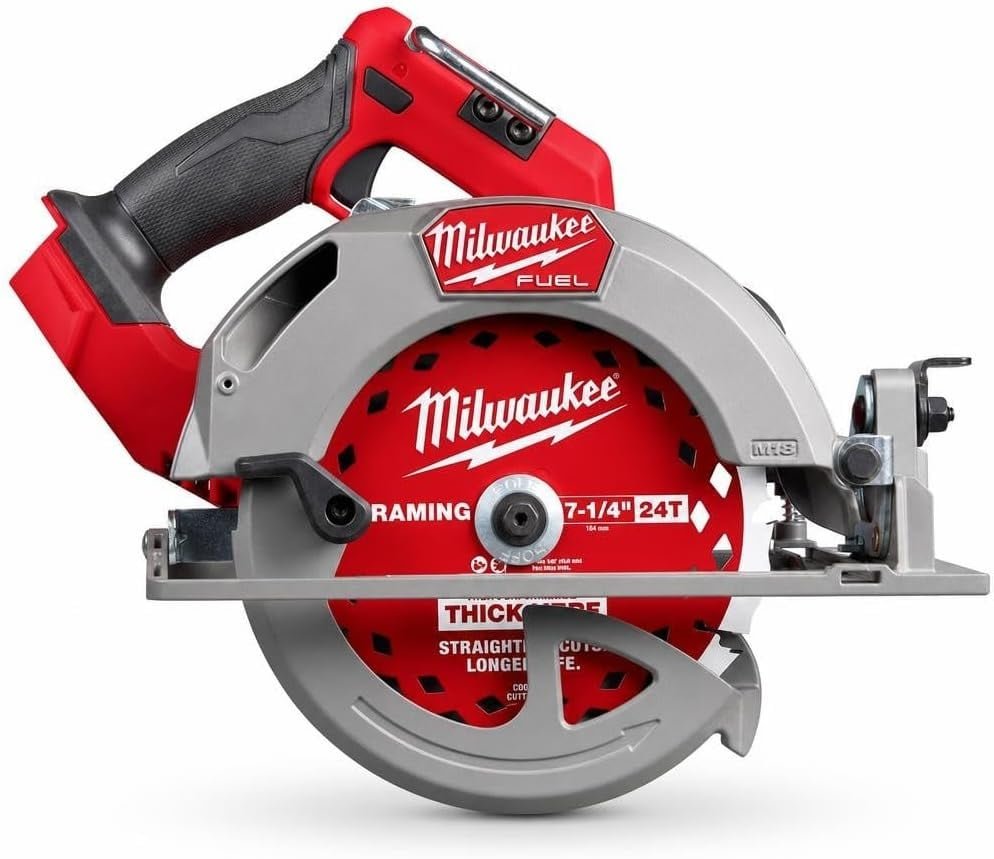
The Milwaukee 2834-20 is the saw I would put at the top of the list for a homeowner who wants serious cordless performance without stepping into a specialty rear-handle or track-saw setup.
It uses a full-size 7-1/4-inch blade, offers up to 2-5/8 inches of cut capacity at 90 degrees, and includes the sort of details that matter when a saw gets used regularly: an electric brake, LED lighting, dust-port support, a rafter hook, and magnesium components to keep weight under control.
The bigger reason to consider it is the M18 platform. If your drill, impact driver, lighting, or other garage tools already use M18 batteries, adding a circular saw without buying into another battery family is usually the practical move.
Why homeowners should consider it
7-1/4-inch blade
Up to 2-5/8-inch cut capacity at 90 degrees
Brushless M18 FUEL platform
Electric brake
LED work light
Dust-port support
Strong fit for an existing Milwaukee M18 collection
The downside is cost. Milwaukee is not the cheapest way to get a capable circular saw. But if you use your tools regularly and want one saw that can cover most homeowner projects without feeling underpowered, this is the strongest all-around choice here.
2. DEWALT DCS590B: Best for Maximum Power
The DCS590B is the pick for a homeowner who already lives in the DEWALT 20V MAX ecosystem and wants a high-output full-size circular saw rather than a lighter-duty compromise.
DEWALT positions the DCS590B as a high-power XR model, with up to 5,500 RPM, a 2-9/16-inch maximum cut depth at 90 degrees, and bevel capability up to 57 degrees. That combination gives it enough capacity for framing lumber, sheet goods, deck projects, fence repairs, and most other work a homeowner is likely to tackle.
An electric brake and dust-extraction compatibility also help make it more pleasant to use in a garage or workshop where cleanup matters.
Why homeowners should consider it
7-1/4-inch blade
Up to 5,500 RPM
2-9/16-inch cut depth at 90 degrees
57-degree bevel capacity
Brushless XR motor
Electric brake
Uses DEWALT 20V MAX batteries
If you already own DEWALT batteries, this is the model I would look at before switching brands simply to chase another saw's specification sheet.
3. RYOBI ONE+ HP PBLCS300B: Best Value for Homeowners
RYOBI continues to make one of the easiest cordless platforms to recommend to homeowners because a relatively small battery collection can power an enormous range of workshop, garage, yard, and specialty tools.
The PBLCS300B sits in the higher-performance ONE+ HP brushless line rather than the most basic RYOBI tier. It gives you a full-size 7-1/4-inch blade, useful bevel capability, and enough performance for plywood, framing lumber, shelving, fencing, and the renovation work most homeowners actually do.
This is less about having the most premium saw in the group and more about getting a capable saw inside a battery ecosystem that stays affordable as your tool collection grows.
Why homeowners should consider it
7-1/4-inch blade
Brushless ONE+ HP platform
56-degree bevel capacity
Strong homeowner-focused value
Compatible with the broad RYOBI ONE+ battery family
If you are starting from scratch and know you want more cordless tools later, RYOBI remains one of the smartest places to begin.
4. Makita 18V X2 LXT XSH06Z: Best Makita
Makita takes a slightly different approach with the XSH06Z by using two 18V LXT batteries together. That lets the saw deliver higher-voltage performance without forcing existing Makita owners to buy into a separate battery family.
The saw runs up to 6,000 RPM, uses a brushless motor, provides up to 2-5/8 inches of cutting capacity at 90 degrees, and bevels to 56 degrees. Those specifications put it squarely in the full-size homeowner and serious-DIY category.
The tradeoff is obvious: running two batteries makes the tool heavier than some single-battery alternatives and means you will want a healthy supply of charged LXT packs.
Why homeowners should consider it
7-1/4-inch blade
Two 18V LXT batteries
Up to 6,000 RPM
2-5/8-inch cut capacity at 90 degrees
56-degree bevel capacity
Brushless motor
For someone already invested in Makita LXT, the XSH06Z gives you full-size cutting performance without abandoning the batteries you already own.
5. Bosch PROFACTOR GKS18V-25GC: Best for Precision
Bosch's PROFACTOR GKS18V-25GC stands out because it leans more toward controlled workshop use than simply chasing maximum output.
The 7-1/4-inch saw offers variable-speed control and is designed to work with compatible guide-track systems. That matters when you are breaking down sheet goods, trimming large panels, or trying to make long straight cuts with more repeatability than a freehand circular saw usually provides.
It also includes an ECO mode intended to stretch battery runtime when maximum output is not necessary.
Why homeowners should consider it
7-1/4-inch blade
Variable-speed control
Track-compatible design
ECO runtime mode
Brushless 18V platform
Good fit for sheet goods and precision-oriented projects
If your projects are more cabinet, plywood, and workshop focused than rough framing, the Bosch may be the most interesting saw in the group.
6. CRAFTSMAN V20 Brushless RP CMCS551B: Best Budget-Friendly Full-Size Saw
The CRAFTSMAN CMCS551B is aimed at the homeowner who wants a modern brushless 7-1/4-inch saw without paying premium-platform prices.
It provides up to 2-9/16 inches of cutting depth, bevels to 56 degrees, and includes an LED cut-line light and electric brake. That is a practical set of features for garage projects, shelving, fence repairs, deck work, and general renovation jobs.
If you already own CRAFTSMAN V20 batteries, there is even less reason to overthink the purchase. Staying inside the battery system you already have is often more valuable than a modest specification advantage from another brand.
Why homeowners should consider it
7-1/4-inch blade
Brushless RP motor
2-9/16-inch cutting depth
56-degree bevel capacity
Electric brake
LED cut-line lighting
CRAFTSMAN V20 battery compatibility
7. SKIL PWR CORE 20 CR5440B: Best Starter-Kit Alternative
SKIL's CR5440B is worth considering if you are not already tied to one of the major battery ecosystems and want a feature-rich saw without immediately jumping to premium-brand pricing.
It uses a 7-1/4-inch blade, a brushless motor, and offers enough cut depth for normal dimensional lumber and sheet-goods work. It also includes an electric brake and a shoe designed for guide-track compatibility, which is a useful feature at this level.
SKIL is especially attractive when the current listing includes a battery and charger. For a first cordless circular saw, kit value can matter more than saving a small amount on the bare tool.
Why homeowners should consider it
7-1/4-inch blade
Brushless motor
Up to 5,300 RPM
Up to 2-5/8-inch cutting capacity
Electric brake
Guide-track-compatible shoe
Good option for someone starting a new cordless platform
Cordless vs. Corded Circular Saws for Homeowners
A corded circular saw still makes sense if your main priority is low cost and you almost always work near an outlet. You do not have to think about charged batteries, and a good corded saw can last for years.
Cordless saws win on convenience. Cutting fence boards outside, trimming lumber in the driveway, breaking down plywood before carrying it into the garage, or making a quick repair without dragging out an extension cord is simply easier.
For most homeowners buying a new saw in 2026, I would choose cordless unless budget is extremely tight or the saw will live permanently at one workbench.
What Size Circular Saw Should a Homeowner Buy?
A 7-1/4-inch circular saw is the safest general-purpose choice. It gives you enough cutting depth for common 2x lumber in a single pass and provides broad blade availability.
Smaller 6-1/2-inch and compact saws can be lighter and easier to handle, but they trade away cutting depth. They make sense as specialty tools or for lighter-duty work, but I would still choose 7-1/4 inches as the main saw for a homeowner who wants one tool to cover the widest range of projects.
What to Look for in a Circular Saw
Battery platform
If you already own several batteries from one brand, start there. A circular saw can be one of the more power-hungry tools in a cordless collection, so sharing high-capacity batteries with your other tools has real value.
Cut depth
For a full-size 7-1/4-inch saw, look for enough depth to cut common 2x lumber at 90 degrees. The saws in this guide are built around that sort of everyday capability.
Bevel range
A wider bevel range gives you more flexibility for angled framing cuts, trim work, and project lumber. You may not use the maximum angle often, but it is useful to have when a project calls for it.
Electric brake
An electric brake stops the blade faster after you release the trigger. It is a feature I strongly prefer on a modern homeowner saw because it improves control between cuts.
Dust control
Circular saws create a lot of dust. A usable dust port can make garage and workshop cutting considerably cleaner, especially when connected to a shop vacuum.
Shoe quality and sight lines
A rigid shoe and a clear view of the cut line matter more than they sound. A saw that is technically powerful but awkward to line up becomes frustrating quickly.
Should You Buy a Bare Tool or a Kit?
If you already own compatible batteries and a charger, buying the bare tool is usually the economical choice. If this is your first tool in a battery platform, compare kit pricing carefully.
Battery promotions change constantly. Sometimes the kit costs only modestly more than the bare saw and effectively gives you a battery and charger at a steep discount. Always verify what the Amazon listing includes before ordering.
Which Circular Saw Should Most Homeowners Buy?
The Milwaukee M18 FUEL 2834-20 gets our overall recommendation because it combines full-size cutting capacity, strong cordless performance, useful jobsite features, and one of the deepest cordless ecosystems available.
The DEWALT DCS590B is the better fit for someone who already owns DEWALT batteries and wants maximum output. RYOBI's PBLCS300B is the homeowner value pick, while Makita's XSH06Z makes the most sense for existing LXT owners who want full-size performance.
Bosch stands out for more precision-oriented work, CRAFTSMAN gives V20 owners a capable brushless option, and SKIL is worth considering when you are starting from scratch and a kit is priced aggressively.
The battery ecosystem should be one of the biggest factors in your decision. For normal homeowner work, staying with the batteries you already own is usually smarter than switching platforms because another saw wins a single specification category.
Build Out the Rest of Your Home Tool Kit
A circular saw works best as part of a broader setup. Our 10 Must-Have Garage Tools Every Guy Should Own guide covers more of the tools worth adding around it.
Next in this Tools cluster, we will compare the major cordless battery platforms and look at cordless tool sets and oscillating multi-tools for homeowners.
As an Amazon Associate I earn from qualifying purchases.


